Arriving and getting a feel for the city

There is a particular kind of pleasure in arriving in a city that is still rediscovering itself, and Maturín has that quiet, open quality. Often nicknamed the Sultana del Guarapiche, this is the capital of Monagas state in the country's eastern plains, and it sits firmly within a wider Venezuelan tourism conversation about public spaces and local identity.
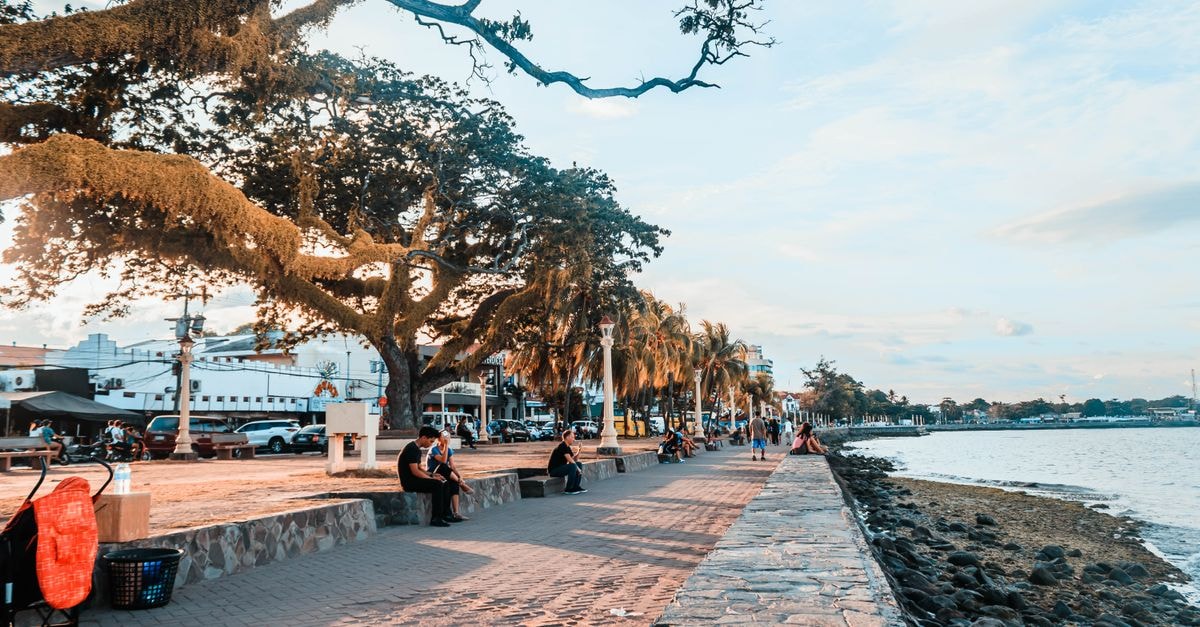
Visitors approaching with a travel-lifestyle mindset may enjoy slowing down in a place where recovery and revitalization are visible themes. Parks, plazas, and a historic center that reflects recent cultural processes are described as part of the city's current offering, which gives a traveler an immediate sense of what matters here: civic space, food, and a sense of place.
Getting around
Movement through Maturín tends to orbit the same handful of anchors that define its urban life. Public spaces such as parks and plazas, along with the historic center, are framed as the natural starting points for exploring on foot, which can suit travelers who prefer to wander between landmarks rather than plan rigid routes.
The city is also in the final stages of validating four new tourist routes. For independent travelers, that detail matters less as a precise itinerary and more as a signal: local authorities are investing in clearer ways to move between the city's cultural and natural points of interest. Travelers curious about those developing routes may want to ask locally which sections are currently open to visitors, since the validation process was still underway at the time of recent reporting.
A practical note for anyone who values flexibility: because the routes were not yet confirmed at last report, it can help to keep a half-day open for spontaneous exploration, particularly around the historic center where streets and plazas are easiest to navigate without a fixed plan.
Attractions and planning
Maturín's attraction mix leans into identity and environment rather than blockbuster sights, which suits travelers who enjoy reading a city through its everyday textures. The city's recent programming has combined religious fervor with gastronomic festivals and outdoor leisure options, suggesting that visitors who appreciate layered cultural moments, rather than single attractions, may find the most to engage with.
If you prefer experiences that connect civic life with food and outdoor relaxation, the city's current direction toward combining religious tradition with food festivals and nature-based recreation may suit your travel style. Travelers who arrive expecting only a checklist of monuments may want to recalibrate, since the documented focus is more on programmed experiences and public spaces than on a single headline sight.
Food and local context
Maturín sits firmly inside a broader Venezuelan food culture, and a few nationwide touches can shape what you encounter on the table. Venezuela is known for the arepa, a round griddled cornmeal cake that develops a thin, crackling shell while the inside stays soft and steamy, and for the country's wider habit of pairing grilled corn breads with savory fillings and stews. Visitors who enjoy comparing regional spins on national staples may find this a rewarding thread to follow while eating around the city.
It helps to frame Venezuelan food in honest terms: it is a cuisine of contrasts, where simple street-side staples sit alongside more elaborate plates, and where regional identity shapes what arrives at the table. The country-level picture offers useful context for what travelers may encounter in Maturín, even when the source evidence is national rather than city-specific.
For travelers who love food-led cultural exploration, the country's tradition of pairing arepas with rich, slow-cooked fillings and the wider habit of treating meals as social events may shape a satisfying visit. If you prefer highly structured dining schedules or international chain familiarity, a more open attitude toward family-run spots and regional menus may serve you better.
Planning your stay
A few practical decisions shape how Maturín tends to feel on the ground. Because the city's current tourism emphasis leans on parks, plazas, the historic center, and programmed cultural events rather than a single headline attraction, the most rewarding visits tend to layer several of these rather than rushing through any one of them.
A helpful traveler-fit framing: independent explorers who enjoy historic centers, public parks, and food culture will likely find Maturín's current direction rewarding. Travelers whose priority is a dense list of marquee attractions within a short window may want to manage expectations, since documented offerings emphasize experience over monument-counting.
It can also help to leave room for the unexpected. New tourist routes were nearing validation at last report, and the city's programming has historically combined religious and cultural celebrations with food festivals and outdoor activities. Travelers who build in flexible afternoons may find the most current experiences that way.
A note before you go
Travel conditions in Venezuela can shift quickly, and verified details about opening hours, routes, and programming tend to be updated locally rather than nationally. Currency references are worth confirming at the time of travel, and current events, public services, and local advisories should be checked through official channels before departure. Where this guide has leaned on national-level food culture, treat that as context for what to expect when you arrive in Maturín rather than a precise map of specific venues or menus.
Share this article
TOOLS FOR THIS PLAN
Make the Maturín plan measurable
Choose a tool only when it answers the next question in your trip. Your values stay in the browser, and each tool offers a route back to this planning context.