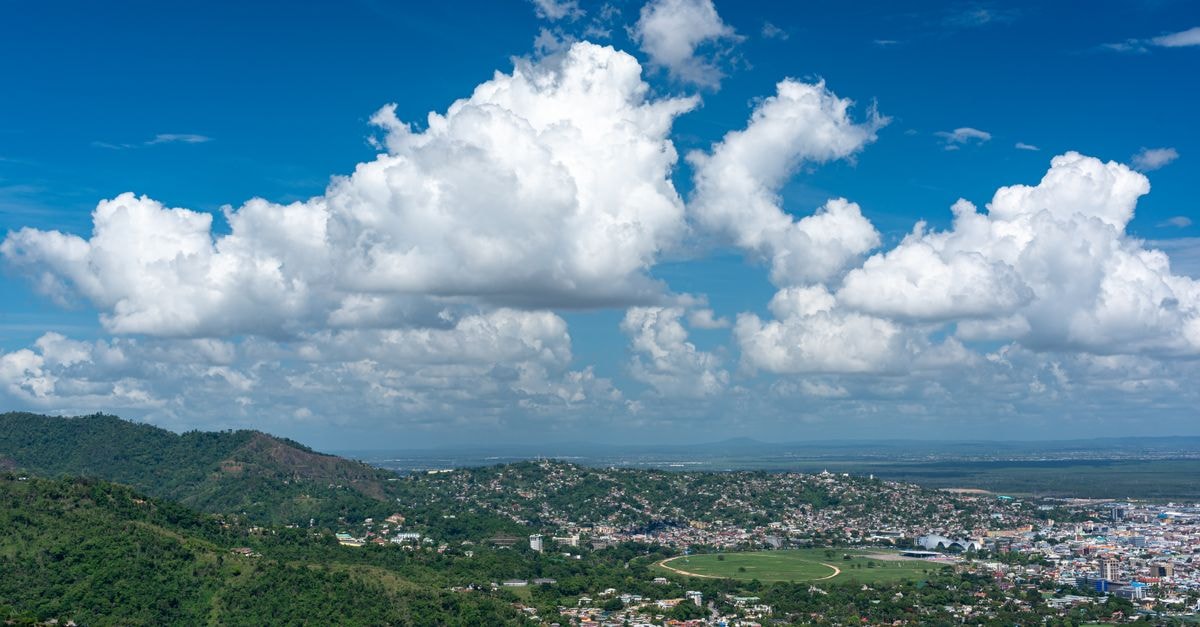
An unhurried welcome to Santa Teresa del Tuy

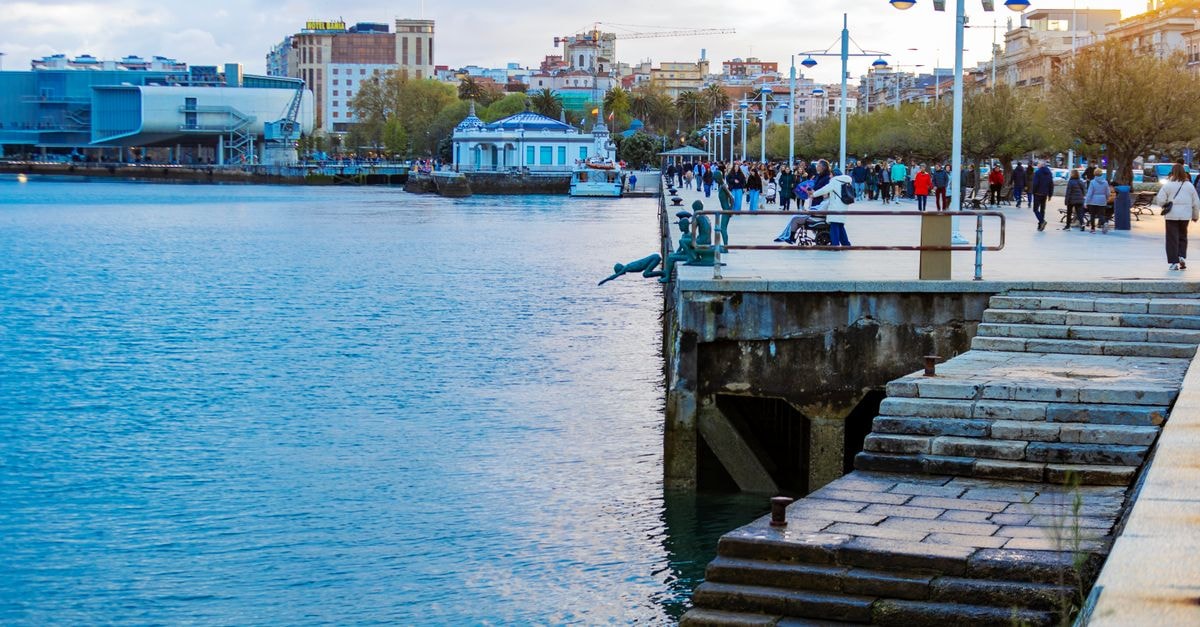
Set in the lowlands of Miranda state, Santa Teresa del Tuy has the relaxed cadence of a working Venezuelan town rather than a polished tourist stop. The Tuy river valley wraps around it, the streets stay lively through the evening, and visitors who arrive without a fixed agenda tend to settle in quickly. The town works best for travelers who like to observe daily life — the plazas filling at dusk, the sound of music drifting from a corner store, the slow parade of people crossing a park that everyone seems to know by name.
This guide keeps things practical and grounded. It leans only on what is known about the city's climate, its community spaces, and the wider Venezuelan food culture that visitors will encounter while they are here. Where a detail would need to be checked on the ground, it is left out rather than guessed at.
Weather and seasonal context
Santa Teresa del Tuy sits in a warm tropical lowland zone where temperatures stay consistently warm through the year. The climate is classified as tropical savanna, which in practice means visitors can expect heat and humidity to be a constant companion rather than something that arrives in a particular month.
The more useful seasonal pattern to know about is rainfall. The area has a pronounced rainy season that runs from June through November, while the rest of the year leans drier. That rhythm is worth planning around in a soft way: during the wetter months, the day often opens bright, then clouds gather, and a heavy afternoon shower arrives before the sky clears again for the evening. Travelers who pace outdoor time for the morning and early evening, and who keep a flexible plan for the middle of the day, usually find the rhythm easy to live with. Because temperatures remain steady, what really changes across the year is how green the surrounding hills look, how full the rivers run, and how often a stray downpour reshapes an afternoon walk.
Light clothing, breathable layers for air-conditioned spaces, and a compact rain option are sensible choices at almost any time of year. The climate here rewards travelers who treat the heat as part of the experience rather than something to fight.
Attractions and planning
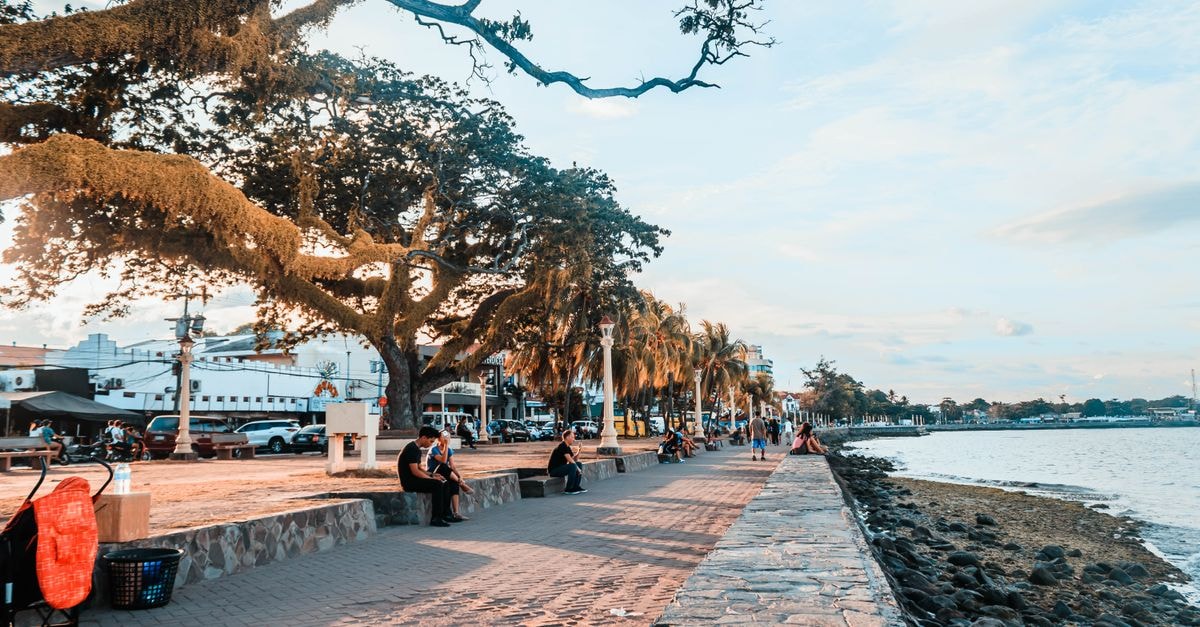
The most clearly anchored community space in Santa Teresa del Tuy is Parque de La Bandera, a public park that functions as a true local living room. It is described as a vibrant gathering point where residents come to relax and spend time together, and that everyday character is part of its appeal for visitors. Rather than a sight to tick off, the park is a place to sit for a while, watch families pass through, and take a quiet measure of the town.
Travelers who appreciate low-key urban parks tend to enjoy this kind of stop. There is no need to rush through it, and it pairs naturally with a slow walk through nearby streets, a stop at a corner bakery, or a relaxed evening visit when the temperature eases and the park fills with neighbors. Visitors who are interested in the history associated with the park's name can pick up that context locally once on the ground.
Because the rest of the town's attractions are not laid out in detail in approved sources, this guide deliberately keeps planning advice narrow. Santa Teresa del Tuy rewards travelers who arrive with one anchor place in mind and leave room for the unplanned corners that follow.
Food and local context
While in Santa Teresa del Tuy, visitors will be moving through the wider world of Venezuelan food culture, and a few nationwide threads are worth knowing in advance. Venezuelan cooking is often described as a place where the Caribbean and the Andes meet, and that blend shows up in everyday meals across the country, including in the lowland towns of Miranda.
The most constant presence at the table is the arepa. Arepas are cornmeal patties griddled until the outside forms a thin, crackling shell while the inside stays steamy and soft. They are eaten at almost any meal, and they function less like a dish on a menu and more like a daily canvas that can be filled, split, or eaten alongside almost anything else. Travelers who try an arepa early in their visit quickly understand the rhythm of local eating, because the same griddled round tends to reappear at breakfast, lunch, and a late-evening bite.
Equally important is how Venezuelans tend to eat. Meals are commonly built around family-style gathering, sharing large communal plates, and treating food as a social act rather than a quick refuel. Sitting down together, lingering over the table, and ordering a little more than seems necessary are normal parts of the experience. Visitors who slow their pace to match that tempo — ordering something to share, accepting an extra plate when it is offered, and giving the meal time to breathe — usually find that the food tastes better and the visit feels more connected.
There is also a quiet insistence running through Venezuelan cooking that comes from maize. From the arepa to other corn-based staples, that single ingredient threads its way through everyday kitchens. For visitors, it is less a fact to memorize than a flavor cue to look out for, since the same underlying ingredient shows up in many different guises across the country.
Where to eat in Santa Teresa del Tuy itself is best discovered on the ground. This guide does not name specific restaurants, menus, or prices, because the approved sources only describe food culture in country-wide terms and do not anchor individual venues in the city. The safest approach is to follow what is busy at lunch, ask a local which spot is good that day, and treat the answer as part of the travel experience.
A short note on costs
Travelers often ask how to budget for a town like this, and the honest answer is that this guide does not have an approved per-day cost figure for Santa Teresa del Tuy, so no specific daily budget is offered here. Costs in Venezuela vary widely depending on exchange-rate conditions and what is being purchased, and any number offered without a current local reference would be misleading. Visitors are better served by checking live, local information on the ground once they arrive, and by treating any guidebook figure as a starting point rather than a guarantee.
How to approach the visit
A few light habits tend to make a stay in Santa Teresa del Tuy more comfortable. Plan the heaviest outdoor time for mornings and early evenings, especially during the wetter half of the year. Use the middle of the day for shade, a long meal, or a slow visit to Parque de La Bandera. Treat the arepa as both a quick bite and a doorway into the wider food culture of Venezuela. Let the rest of the town reveal itself in between those anchors, rather than trying to script every hour.
Travel conditions, opening patterns, and practical details can change, so it is always wise to confirm current information through official or local channels before departure and again on arrival.
Prices, opening hours, schedules, reservation rules, and local conditions can change; verify them through official channels before departure.
Share this article
TOOLS FOR THIS PLAN
Make the Santa Teresa del Tuy plan measurable
Choose a tool only when it answers the next question in your trip. Your values stay in the browser, and each tool offers a route back to this planning context.