A leafy capital wrapped in Central African forest

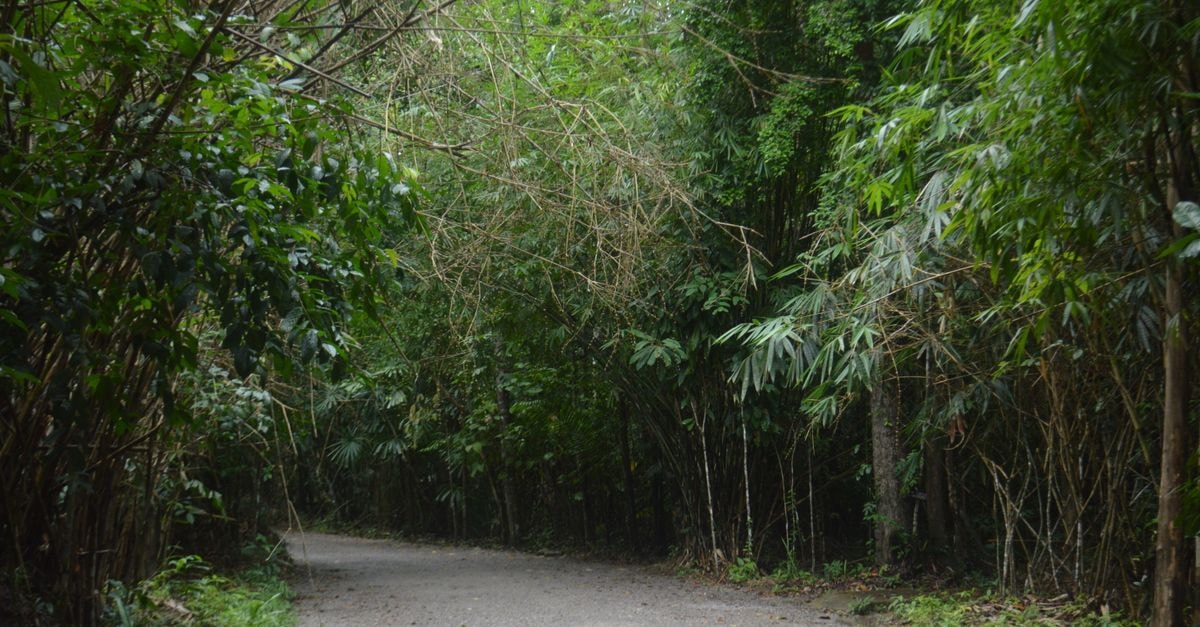
Mbaïki is the capital of the Lobaye prefecture in the Central African Republic, a small city that wears its forest setting like a green shawl. The surrounding landscapes are dense and the cultural rhythm of the wider country gives the town its everyday texture. Travelers who arrive here tend to be curious about the rural-immersion side of Central Africa rather than polished urban sights, so a visit tends to feel closer to a slow forest town than to a busy regional capital.
Two themes are worth thinking about before you go: the weather pattern that shapes daily comfort outdoors, and the practical realities of moving around and staying connected.
Weather and seasonal context
Mbaïki's setting is the first thing that defines a day here. The town sits among dense forests in the Lobaye prefecture, and the climate is typical of this equatorial belt, with warm, humid conditions through much of the year and a noticeable rhythm of wetter and drier stretches.
Because the city is surrounded by dense forest, the canopy and the river valleys tend to soften the sun, and showers can arrive quickly. Mornings often feel the most comfortable for walking or any kind of outdoor plan, with the air cooling overnight and the forest still releasing the previous day's heat.
If you prefer drier trails and clearer skies for outdoor time, ask locally which stretch of the year currently feels the least rainy, since patterns in this part of Central Africa can shift from year to year. For anyone sensitive to humidity, pacing the day so that the heaviest activity happens before midday, and taking a slower afternoon under shade, is a gentle way to stay comfortable.
The forest setting also means that evenings feel different from what you might expect in a larger African capital. Light fades earlier under the canopy, and the sounds of insects and birds tend to take over once traffic and voices quiet down. It is the kind of environment that rewards travelers who like to slow down rather than tick off a long list of stops.
Getting around
Getting around Mbaïki is shaped by a few practical realities. As the capital of the Lobaye prefecture, it is a working administrative town rather than a major transit hub, so the road network is modest and the pace is unhurried.
For independent travelers planning short visits, the available itineraries are best treated as flexible templates rather than fixed schedules. The local transport network does not run on a dense timetable the way a larger city would, so it is wise to personalize the order in which you move between places, build in waiting time, and confirm the day's plan with someone on the ground before setting out.
Staying online is the other practical consideration. Satellite internet, and specifically Starlink, is the most reliable option for visitors who need a steady connection during their stay. Mobile data can work in patches, but anyone planning to work remotely, run a video call, or upload photos regularly should plan around a satellite setup rather than expect a strong mobile network.
Because the city is small and the forest is close, most of the practical movement tends to happen in short bursts: a walk through town, a ride to a nearby viewpoint or trailhead, and then a return to base. Packing light, keeping a day bag ready, and being ready to wait a little longer than you would in a capital city are all sensible habits.
A note for travelers with different rhythms
A few tradeoffs are worth flagging without turning them into hard rules.
If you prefer a destination with frequent public transport, dense signage, and a wide choice of places to eat within walking distance, Mbaïki will feel quieter than that. The payoff is a town that sits inside a genuinely forested landscape, with the kind of slow, green setting that is rare in larger Central African cities. Travelers who enjoy self-arranged, template-style days tend to fit the rhythm well, while those who want a fully pre-booked itinerary may want to confirm transport and accommodation details directly with hosts before arrival.
For connectivity-first travelers, planning around satellite internet rather than mobile data is the realistic baseline. Anyone who needs a constant, fast link should consider how they will set this up before they arrive, since the local mobile network is not the dependable backbone.
These are small adjustments rather than dealbreakers, and they tend to shape the trip more than they limit it.
Verification note
Because transport options and connectivity in Mbaïki can change with local conditions, it is worth confirming the current state of road travel, satellite internet availability, and any regional travel advice through official channels shortly before you travel. Treat this guide as a starting framework rather than a live update, and check the latest information from your embassy or local authorities before finalizing plans.
Factual travel conditions can change, so always verify key details through official sources before departure.
Share this article
TOOLS FOR THIS PLAN
Make the Mbaïki plan measurable
Choose a tool only when it answers the next question in your trip. Your values stay in the browser, and each tool offers a route back to this planning context.