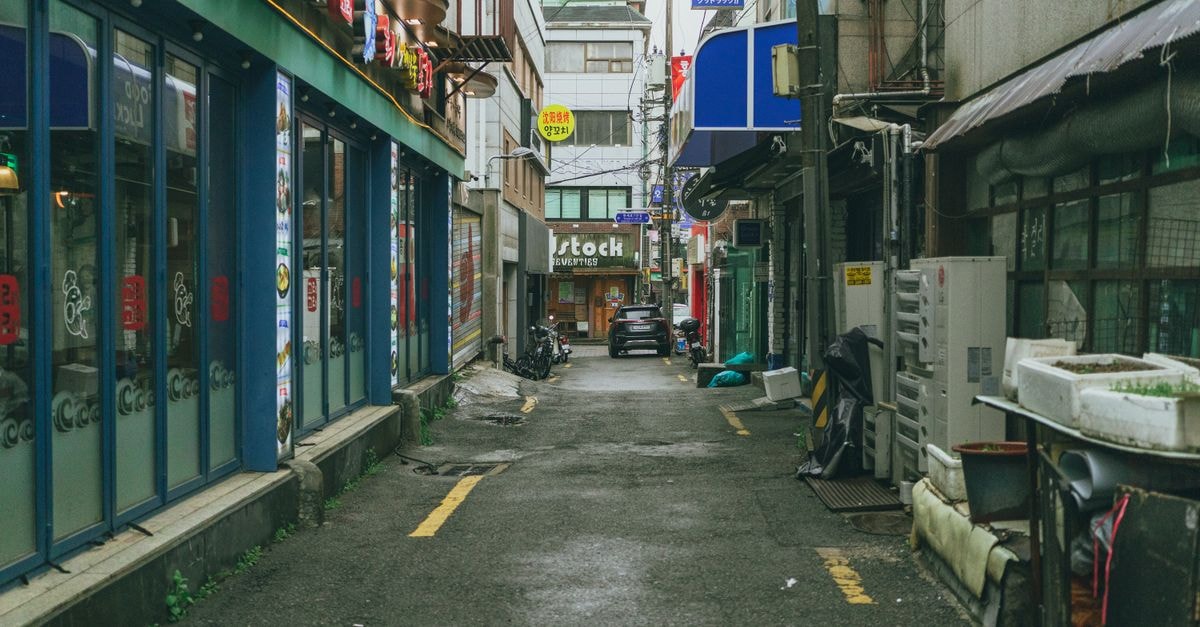
A first look at Medan

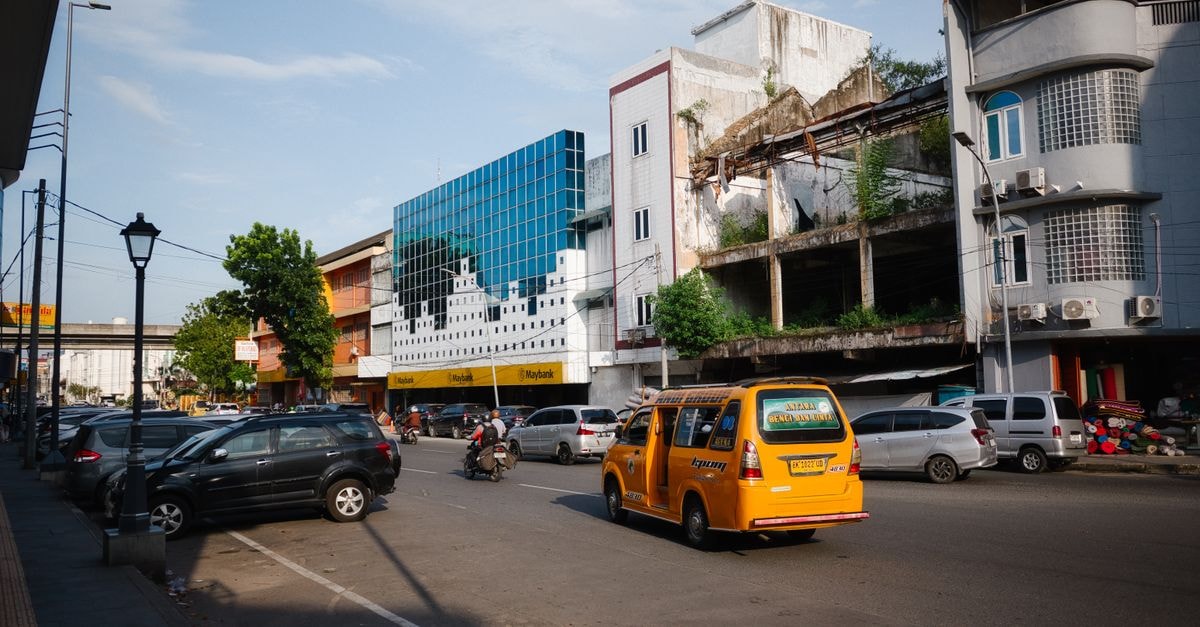
There is a moment, somewhere between stepping out of the airport and settling into a wandering afternoon, when Medan begins to make sense. It is not a city that announces itself with a single postcard view. Instead, it hums along as the working capital of North Sumatra, the kind of place where daily life, layered cultures, and an extraordinary culinary reputation all share the same streets. For visitors, Medan often plays a quiet but essential role: it is the doorway through which travelers pass on their way deeper into the island, and the place they return to with full camera rolls and a longer list of dishes they want to try again.
This Medan travel guide focuses on what is grounded in approved sources: the city's role as a regional entry point, a small cluster of well-known religious landmarks worth seeking out, and how travelers tend to engage with the local food scene. Anything that would need a fresh check on the ground, from opening hours to menus, is intentionally left out.
Attractions and planning
Medan rewards travelers who treat it as a slow city rather than a checklist. Its character is best understood through its places of worship, several of which sit comfortably close to one another and form an easy half-day circuit for anyone interested in the religious architecture of North Sumatra.
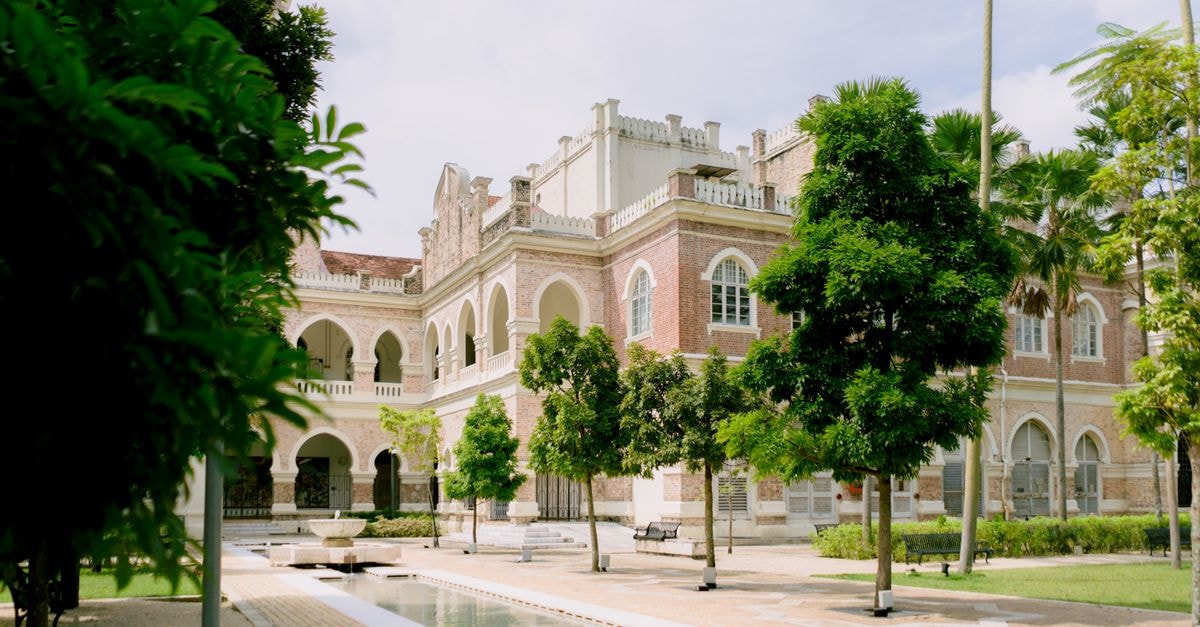
One of the most talked-about stops is Vihara Maha Maitreya, described as one of the largest Buddhist temples in Indonesia. It is a calm, photogenic site and a natural inclusion for visitors who want to take in Medan's key religious landmarks in a single thoughtful outing. Pairing it with a visit to Masjid Raya Al Mashun, the Great Mosque of Medan, makes for a satisfying contrast. The mosque is widely recognized as one of Indonesia's most beautiful and historically significant mosques, and its presence anchors the cultural geography of the city center.
Beyond the temples and mosque, Medan's wider identity as a travel hub is hard to miss. Sources describe the city as the entry and exit point for surrounding attractions like Lake Toba and Bukit Lawang, framing Medan as a great entry point into the heart of Sumatra. That context matters even for travelers who plan to spend most of their time in the city itself, because it shapes the rhythm of Medan's hotels, transport hubs, and food streets, all of which serve a constant flow of arrivals and departures. It also means that visitors tend to use Medan as a base for day trips and onward journeys, with the city offering the comforts of a capital between excursions. A useful travel tip for Medan is to build in time for unhurried wandering; the religious sites are at their best when approached as part of a leisurely walk rather than a rushed schedule.
When planning, it helps to remember that Medan's appeal is layered. The city is not a single attraction; it is a network of neighborhoods, markets, and architectural landmarks that reveal themselves over a couple of days. Travelers who arrive expecting only a stopover often find themselves lingering longer than planned, drawn back by a mosque they want to photograph at a different hour or a temple courtyard they want to sit in one more time before leaving.
Food and local context
No honest guide to Medan would skip the food. The city has long carried a reputation as one of Indonesia's most rewarding places to eat, and travelers tend to engage with that reputation in three classic ways: by visiting local food markets, by joining street food tours, and by trying cooking classes. Each offers a different window onto the same rich culinary tradition, and each suits a different kind of traveler.
Local food markets are the most immediate entry point. They are where daily life and Medan's cuisine meet in the most unfiltered way, and they reward visitors who arrive curious and unhurried. Street food tours, meanwhile, offer a structured way in for travelers who prefer a guide to handle the navigation and translation, while cooking classes give those who want to take something home a hands-on route into the flavors they have been tasting all week. None of these options needs to dominate a trip; many travelers blend two of them across a short stay and leave with a much fuller sense of how Medan eats.
Putting it together
A practical way to think about Medan is in three layers. The first is the religious and architectural layer, anchored by Vihara Maha Maitreya and Masjid Raya Al Mashun, both of which can be visited in a single unhurried loop. The second is the food layer, built around markets, street food tours, and cooking classes, which together cover most of the city's edible highlights. The third is the gateway layer, the understanding that Medan is a base from which travelers move out into North Sumatra and a city they return to at the end of each day.
Because verified opening hours, ticket prices, and reservation details for individual venues and operators are not part of the approved factual base for this guide, those specifics are best confirmed through official channels and on-the-ground contacts before any commitment is made. The picture painted here is intentionally durable: what Medan is, what it is known for, and how travelers tend to experience it. Anything more granular, from a temple's prayer schedule to a cooking class's price, sits outside what can be responsibly stated here.
Medan is the kind of city that rewards travelers who arrive with a plan but leave room for the unexpected. With its grand mosque, its major Buddhist temple, its bustling markets, and its role as Sumatra's main threshold, it offers enough within the city limits to fill a meaningful stay, and enough beyond them to keep any visitor planning a return.
Verification note: factual travel conditions can change without notice. Readers should confirm opening hours, transport options, food venue availability, and any health or safety guidance through official local channels before departure.
Share this article
TOOLS FOR THIS PLAN
Make the Medan plan measurable
Choose a tool only when it answers the next question in your trip. Your values stay in the browser, and each tool offers a route back to this planning context.