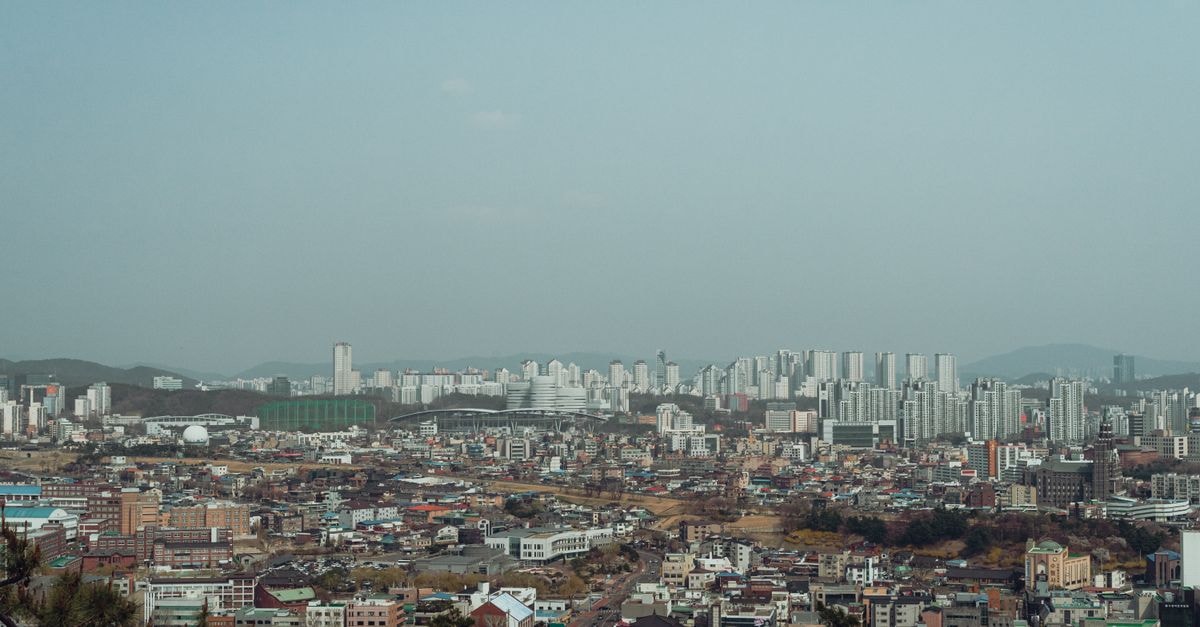
A first look at Gwangju

Gwangju sits in the southwest of South Korea and has a long reputation as one of the country's more quietly compelling cities. Travelers often arrive for its cultural depth, then find themselves lingering for the easy pace and the food. Think of it as a city that rewards curiosity: the streets are walkable, the attractions are concentrated enough to explore without rushing, and the surrounding landscape adds a soft natural frame to any urban itinerary.
This guide keeps things practical. It pulls together what visitors most often want to know before a trip — how to move between the airport, the train, and the city; where to begin sightseeing; and what to expect when it is time to eat. It is written for independent travelers planning their own days rather than following a packaged tour.
Getting around
Moving through Gwangju is one of the easier parts of the visit. The city has a layered transport network, and the main decision is simply which option suits the arrival route.
For those flying in, the airport most commonly used by international travelers is Muan International Airport. The official Gwangju tourism pages list Muan as the city's airport reference and direct visitors to a dedicated transport page that links to current schedules. From the capital region, the airport limousine bus is a popular bridge: a regular service runs between Incheon International Airport and U-Square Bus Terminal in Gwangju, making the long transfer comparatively painless for visitors carrying luggage or arriving late at night.
For rail arrivals, Gwangju is connected to the rest of the country via the KTX high-speed rail network. The same tourism transport page that covers the airport also points readers to a train information website for live schedules and ticketing, which is the simplest way to plan a KTX connection into Gwangju's central station.
Inside the city, public transportation is organized around an extensive city bus network. The tourism site groups buses, taxis, and walking routes under a single transportation section, with a dedicated city bus information page that explains routes, fares, and operation details. Several intercity bus terminals are also located within Gwangju, which makes it straightforward to reach neighboring cities and towns in the region by road.
A practical rhythm is worth noting. Public transit in Korean cities tends to run frequently during the day and thin out later in the evening, so planning a return trip before the last bus is a small habit that pays off, especially after a long dinner. Walking is also pleasant in many of the central neighborhoods, and combining a bus ride with a short stroll is often the most enjoyable way to move between attractions.
Attractions and planning
Gwangju's appeal, according to local guides, comes from the breadth of what it offers rather than any single headline sight. Tourism pages describe the city as a place where diverse attractions sit alongside one another, with a mix of cultural, historical, and natural draws that can suit almost any kind of traveler.
One anchor worth knowing about is the Gwangju National Museum. Housed in a building designed to echo traditional palace architecture, the museum sits at the top of a grand stairway and is a natural first stop for visitors who want context before exploring the rest of the city. It offers an organized introduction to regional history and art, which can make later visits to smaller sites feel more meaningful.
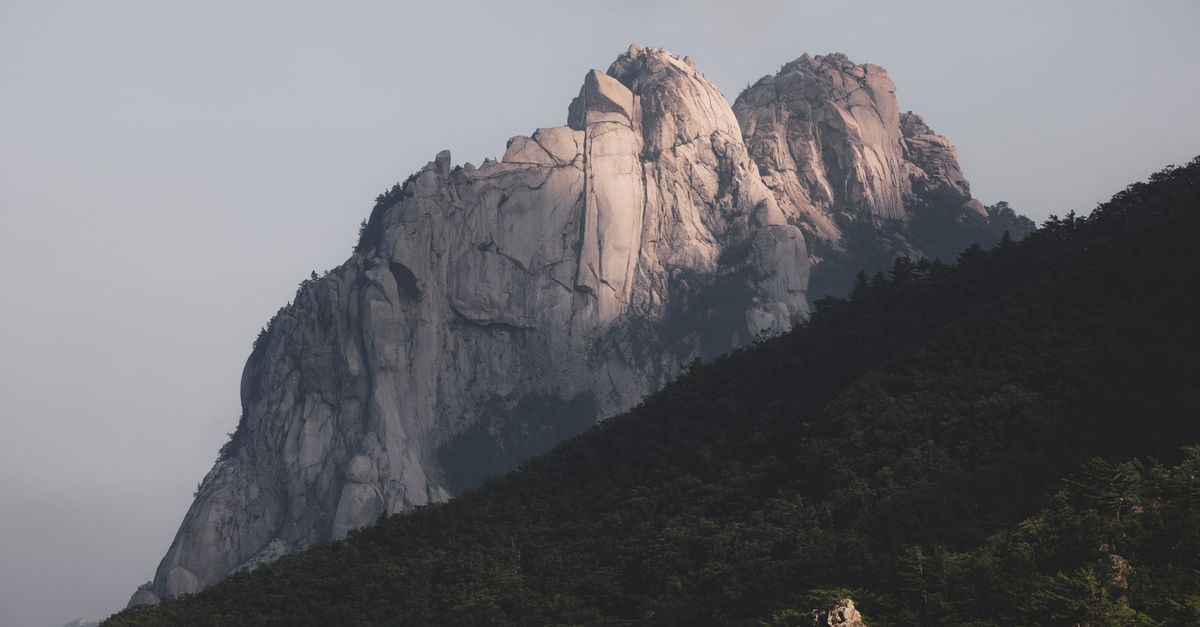
Beyond the museum, the surrounding geography is part of the experience. Gwangju is framed by picturesque mountains, and several tourism sources highlight how the natural scenery blends with the urban landscape. For travelers who like a slower day, this is an invitation to balance indoor sightseeing with time outside — a riverside walk, a park, or a viewpoint can all sit comfortably alongside the museum and the city's cultural quarter.
When planning an itinerary, the practical lesson is to leave room between stops. Gwangju's attractions cluster in a way that makes ambitious half-days possible, but the distances are short enough that a more relaxed pace is just as rewarding. Two or three focused stops per day, with a long lunch and an unhurried afternoon, tends to feel right.
Food and local context
Food is where Gwangju reveals its character most clearly. The city carries one of the strongest food reputations in South Korea, and visitors often find that meals become highlights rather than refueling stops.
Local coverage consistently frames Gwangju's food culture as a meeting point between tradition and innovation. Dishes stay rooted in familiar regional flavors, but there is a willingness to play with presentation, ingredients, and combinations. For travelers, this translates into menus that feel both comforting and surprising, and restaurants that range from long-established kitchens to newer spots experimenting with classic ideas.
The broader context here is the regional Jeolla cuisine tradition. Gwangju sits within a long-established food region, associated with rich, layered flavors and generous tables. Visitors who enjoy hearty, ingredient-forward cooking — the kind built around fermented flavors, fresh seafood, and abundant banchan — will find that Gwangju is one of the most rewarding places in South Korea to explore that tradition.
Within the city, Chungjang-ro is the most commonly cited food street and a natural starting point. It is lined with vendors and small restaurants along its length, and it offers a quick way to sample several dishes in a single walk through the area. Going in with a short list of two or three things you want to try, rather than trying to decide on the spot, usually makes the experience more enjoyable.
A simple rhythm for the trip
Gwangju rewards a gentle pace. Arriving, settling in near a central neighborhood, and using the bus network or short walks to reach the day's main stop tends to work better than racing between distant sights. A typical rhythm — a museum or cultural site in the morning, a long food-focused afternoon, and an evening walk through the city's central streets — captures most of what visitors come for.
For transport, the practical anchors are simple: use the airport limousine bus from Incheon, the KTX for rail connections, and the city's bus network for daily movement. For food, treat Chungjang-ro as a starting point and let the rest unfold from there.
A final note on practicality. Factual travel conditions — schedules, fares, opening days, and transport options — can change, and official channels should always be checked close to departure. The information in this guide is meant as a steady, evergreen orientation rather than a live status report, and it should be paired with the latest updates from the city's tourism site and transport pages before and during the trip.
Share this article
TOOLS FOR THIS PLAN
Make the Gwangju plan measurable
Choose a tool only when it answers the next question in your trip. Your values stay in the browser, and each tool offers a route back to this planning context.