A gentle welcome to Mingora
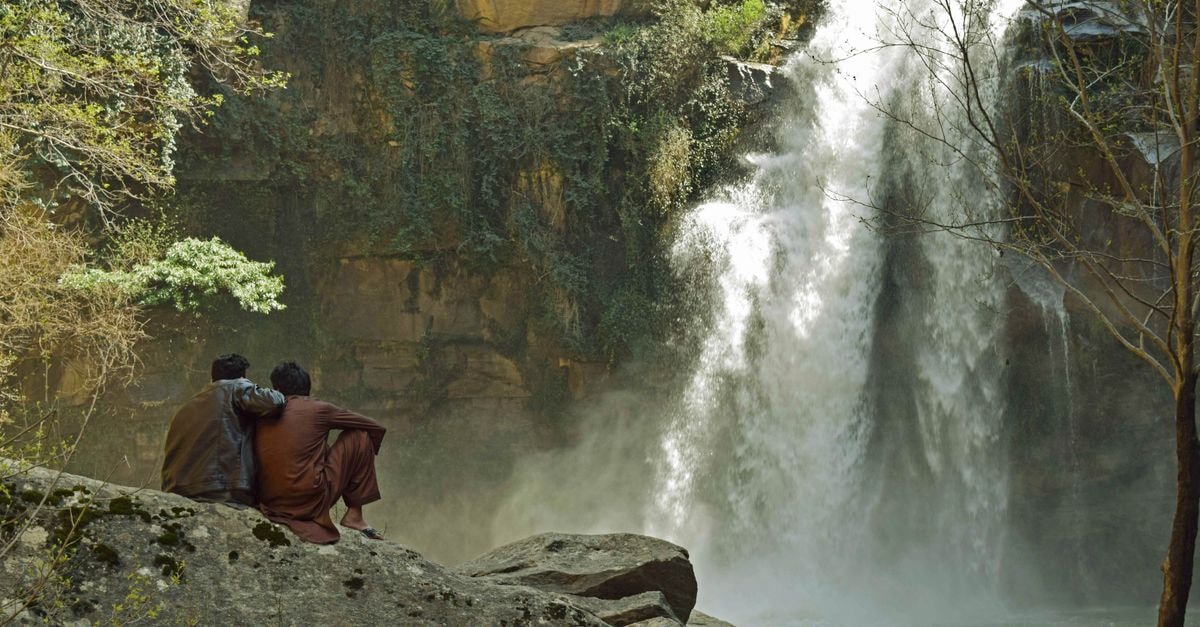
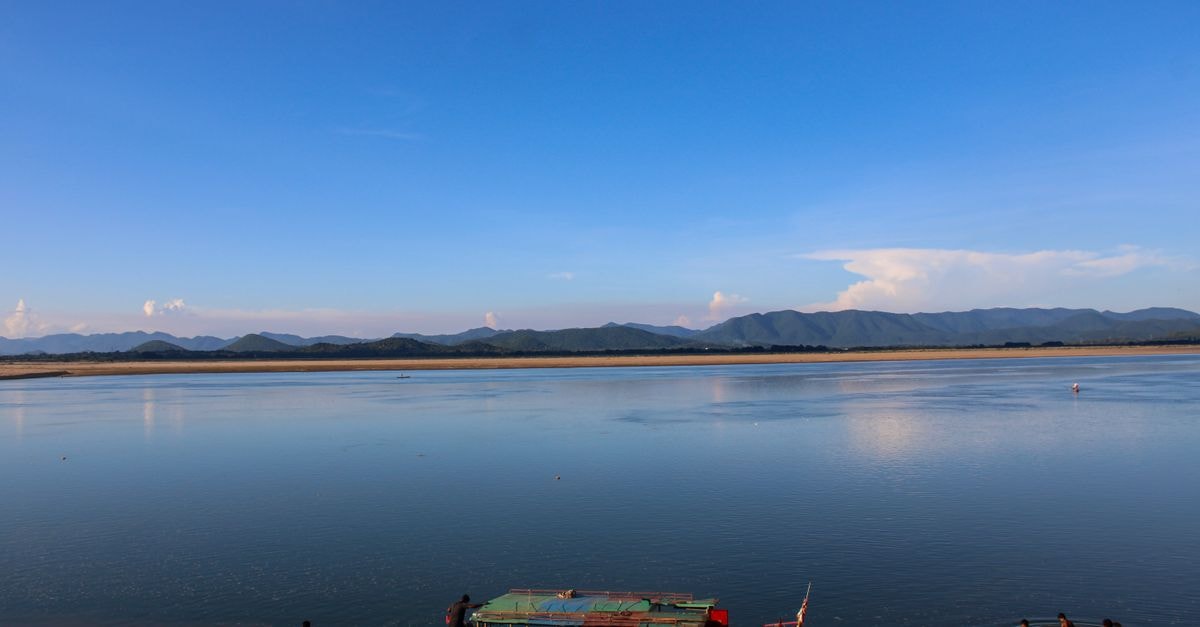
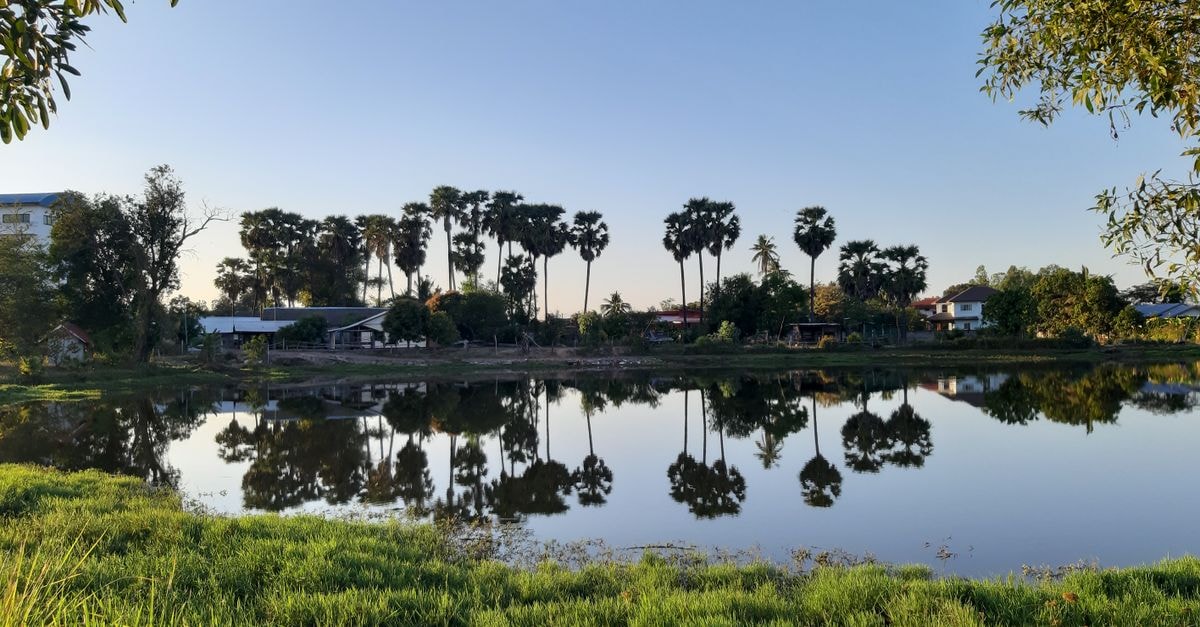
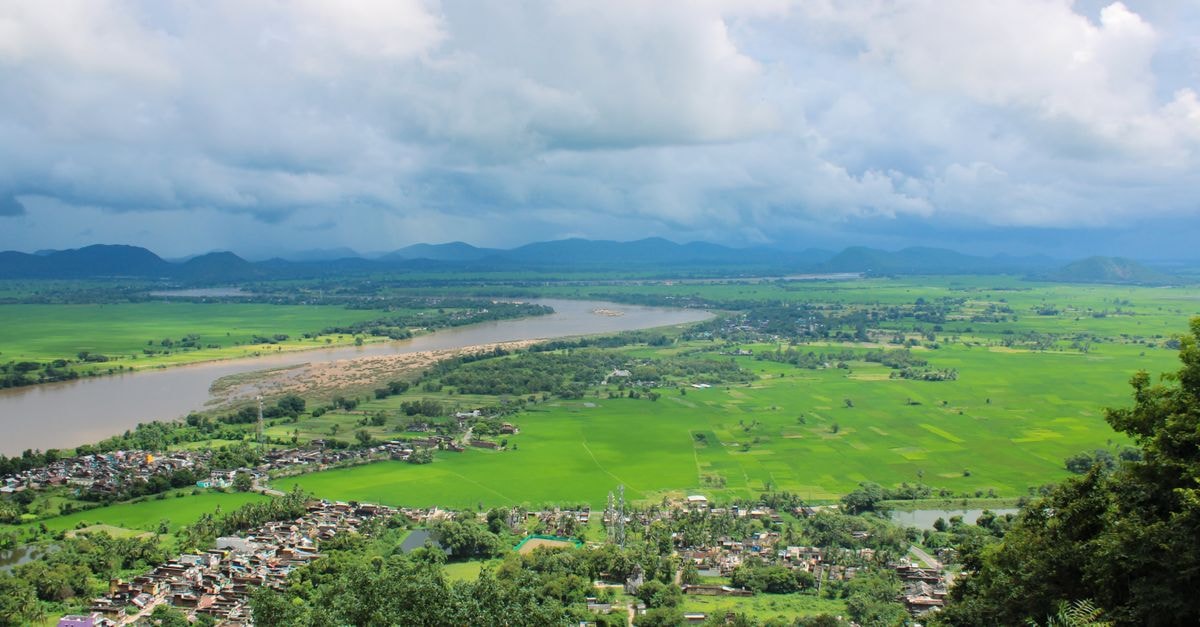
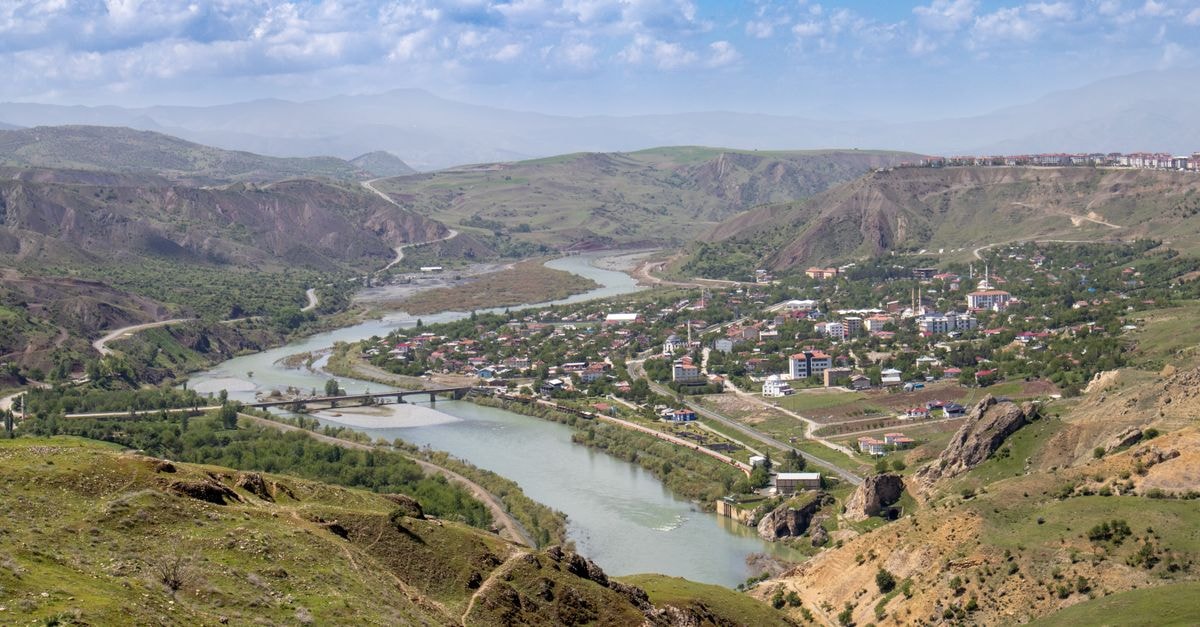
Mingora sits in the Swat Valley as the main city of the region, and it tends to feel less like a stopover and more like a place where the surrounding area gathers. Visitors drawn to culture, everyday food, and museum-style history often find that Mingora works well as a calm base for slow exploration rather than a checklist of attractions. The city's connection to the wider Swat region shapes its rhythm, and that sense of place is part of what makes a visit here feel distinct from Pakistan's larger urban centers.
If you like travelling with a bit of texture, where local markets and traditional flavors sit alongside museum visits, Mingora tends to reward a measured pace. The themes below focus on what the approved evidence actually supports: how the seasons tend to shape a visit, what draws visitors to the city, and how food fits into the wider culture of the region.
Weather and seasonal context
Mingora's position in the Swat Valley gives it a setting shaped by the surrounding landscape, and travellers often find the climate feels noticeably different from lower-elevation cities in Pakistan. The valley setting is part of what shapes a visit here, and a layered approach to clothing usually serves better than walkers, since conditions can shift between warmer midday hours and cooler mornings and evenings. Because the approved evidence does not include direct temperature or rainfall figures for a specific month, it is more useful to think of Mingora in terms of general seasonal feel rather than fixed numbers.
Visitors who prefer gentler pacing often find that planning the heavier sightseeing for the middle of the day and leaving markets and museum-style stops for the cooler parts of the day tends to suit the valley's climate. Anyone sensitive to temperature swings may want to consider a light layer for early mornings and a more comfortable pace overall, since valley conditions can feel cooler than expected once the sun drops. For exact conditions on the day of travel, checking a live forecast closer to departure is the most reliable approach.
Attractions and planning
The most clearly documented cultural anchor in Mingora itself is the Swat Museum, described in the approved evidence as an essential cultural and historical landmark located in the city. For visitors who appreciate context before a stop, the museum gives Mingora a focal point that goes beyond the everyday street life, and it tends to suit travellers who like to understand a place through its material history before exploring on foot.
Broader regional listings also reference the Amluk Dara Stupa among the sites connected to Mingora, which suggests that the city's cultural map extends beyond the museum walls. Readers who are interested in Buddhist heritage sites in the wider Swat area often find that Mingora works as a starting point for thinking about the region's layered past. Because the evidence points to these attractions without offering opening hours, ticket details, or access conditions, it is worth verifying the latest practical information through the official tourism channels before planning a visit.
For travellers who enjoy a balance of indoor and outdoor experiences, a day built around the museum with time left for walking through the surrounding bazaars tends to work well. Those who prefer minimal planning may find that simply allowing space for the museum and a slow wander through the city's streets gives a satisfying first impression of Mingora.
Food and local context
Mingora is recognised in the approved evidence for its local cuisine, including traditional Pashtun dishes, and food is widely described as offering a mix of traditional flavors and modern dining options. This combination tends to suit travellers who enjoy tasting a place through what is cooked and served locally, and who like the idea of moving between longstanding local eateries and more contemporary spots within the same city.
Local markets are part of how food culture shows up in Mingora, and visitors who enjoy browsing before sitting down to eat often find that the market-to-meal rhythm suits the city well. Traditional Pashtun dishes tend to be filling and flavour-led, which can appeal to travellers who want meals that feel rooted in the region rather than standardised across the country. For those who prefer a lighter pace, smaller portions and tea stops throughout the day can offer a way to experience the food scene without committing to long sit-down meals.
Wider Pakistani food culture is known for being notably varied and for distinguishing the country's cuisine from its neighbours, and visitors to Mingora are likely to encounter elements of that broader culinary landscape alongside the more locally rooted Pashtun dishes. The country's food culture is often described as a point of national pride, which means that even simple meals in Mingora can feel like an introduction to a wider story.
Because the approved evidence does not name specific restaurants, set menus, or prices, it is best to treat any dining plans as a starting point and to confirm details locally on arrival. Travellers with dietary preferences may want to ask about ingredients directly, since traditional Pashtun cooking often centres on meat, bread, and dairy in ways that shape what is most readily available.
Choosing what fits the trip
Mingora tends to suit travellers who are comfortable with a slower rhythm and who are curious about the cultural layers of the Swat region. Those who enjoy museums, local markets, and traditional regional cooking often find the city rewarding without needing a packed schedule. Visitors who prefer large-scale attractions, extensive nightlife, or highly developed tourist infrastructure may find that Mingora asks for a different mindset, one that values context, conversation, and unhurried exploration. A useful starting point is to anchor a visit around the Swat Museum and let the rest of the city unfold from there, adjusting plans based on how the valley's pace suits you.
A final note before you go
Factual travel conditions can change over time, so it is worth checking official tourism channels and local sources for the most current information on opening hours, access, and seasonal conditions before departure. Treat the details in this guide as a starting framework rather than a final plan, and allow room for Mingora to surprise you once you are there.
Prices, opening hours, schedules, reservation rules, and local conditions can change; verify them through official channels before departure.
Share this article
TOOLS FOR THIS PLAN
Make the Mingora plan measurable
Choose a tool only when it answers the next question in your trip. Your values stay in the browser, and each tool offers a route back to this planning context.