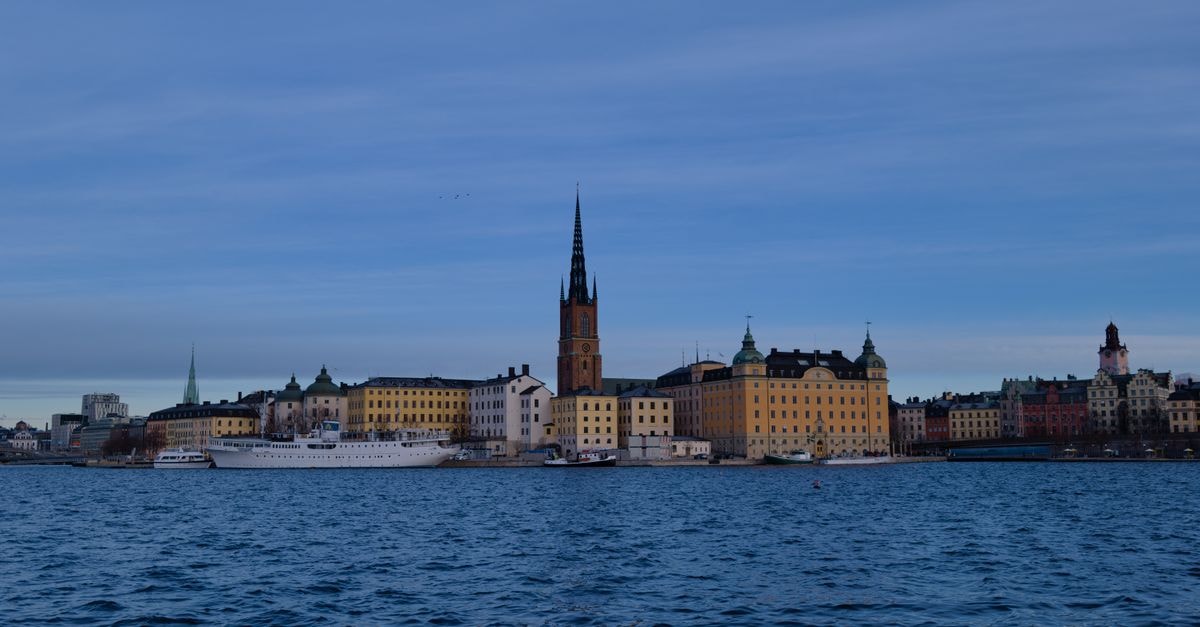
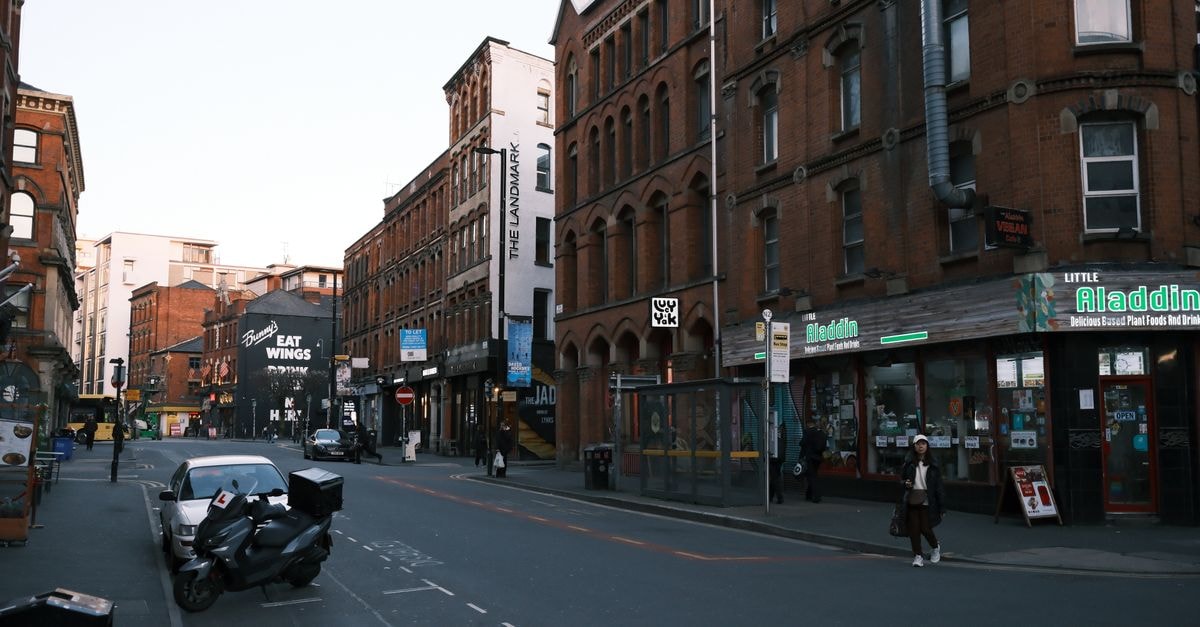
Minsk has a quietly magnetic pull — a capital city where wide Soviet-scale avenues meet intimate old alleys, and where a meal of paper-thin potato pancakes can feel just as memorable as a stroll past neo-Gothic brick. This guide gathers only the city-level facts that have held up: how the seasons tend to shape a visit, how to read the public transport network, what kinds of places reward a curious traveler, and the traditional dishes that quietly define the local table. Think of it as a calm, practical companion for anyone planning a trip to the Belarusian capital.

Weather and seasonal context
Minsk is a city of strong seasonal contrasts, and the right time to go really depends on what kind of trip you want. Travel writers covering the city often note that the best moment to visit can swing between warm outdoor activities and snowy winter charm, which is a useful way to frame expectations before you book anything. If you love cold weather, festive atmospheres, and the kind of hush that settles over a city under fresh snow, winter has a particular appeal. If you would rather walk long stretches along park alleys and linger outdoors, the warmer stretches of the year invite a slower, more rambler-style visit. Either way, packing for temperature swings is part of the Minsk experience.
Getting around
Minsk runs on an efficient and affordable public transport system, and most first-time visitors find that they rarely need a car to reach the things that brought them to the city. The network is one of the practical joys of being here: buses, the metro, and ground transport connect the center to the outer districts, and the system is built for daily commuters rather than tourists, which means signage and frequency tend to be reliable rather than theatrical.
If you are flying in via National Airport Minsk, the bus routes 1400-TK and 1430-TK run between the city and the airport, giving you a direct, budget-friendly link without negotiating a taxi. Tickets can be picked up at Minsk bus station ticket offices, at the booths inside the Tsentralny bus terminal, or bought online in advance — a useful option if you are arriving late and do not want to figure out the payment on arrival. For everyday movement once you are settled, the metro, buses, and other surface transport cover the bulk of what most travelers need, and the same ticketing logic applies across modes.
Attractions and planning
Minsk rewards travelers who mix grand civic landmarks with quieter, greener corners. One of the most beautiful places in the city is the Loshitsa estate and park, where old alleys wind through a historic landscape and a residence-museum offers a slower, more reflective stop than the central avenues. It is the kind of place that pairs naturally with a long walk and a pause on a park bench, and it gives a different texture to a trip than the monumental core.
In the center, a single compact district gathers a striking lineup: the Government headquarters, Belarusian State University, Maxim Tank Belarusian State Pedagogical University, the Minsk Metro headquarters, the Minsk Mayor's Office, and a row of former commercial apartment buildings from the early 20th century. In the same area you will find the Architect sculpture and the Church of Saints Simon and Helena — better known as the Red Church — a neo-Gothic landmark built in 1910 on the order of aristocrat Edward Woyniłłowicz. Taken together, these anchor points let you build a day around walking rather than transit, and they sit close enough to make a relaxed, photo-friendly loop.
Food and local context
Eating in Minsk is part of the city's everyday rhythm, and the food culture is one of the more accessible ways to feel oriented. One classic way to eat well on a modest budget is to lean into the stolovaya tradition — the casual cafeteria-style eatery where locals grab lunch — which is widely considered a key part of budget travel in the city. It is unpretentious, quick, and surprisingly satisfying for travelers who want to spend their time sightseeing rather than lingering over long menus.
When it comes to what to actually order, one dish tends to come up everywhere: draniki. These are paper-thin potato pancakes fried until the edges lace into golden webs, traditionally served with a dollop of sour cream that cuts through the starch. It is a simple, deeply local plate, and it shows up across the city in both humble and more polished settings. Pairing draniki with a slow afternoon walk afterward is one of those small, very Minsk combinations that tends to define a first visit.
More broadly across Belarus, the food culture tends to lean on hearty staples and shared plates, and visitors in Minsk are likely to encounter this wider context in everyday meals, from cafeteria counters to sit-down restaurants. It is the kind of cuisine that rewards curiosity: ask what is local, follow the daily specials, and let the city's rhythm set the menu.
A few practical notes
A little planning goes a long way in Minsk. Because the seasons can be intense in either direction, layering is more useful than packing for a single temperature. For transit, having a small stash of change or a transport card ready before you board saves time on the first ride, especially if you are arriving from the airport on the 1400-TK or 1430-TK services. For attractions, mixing one outdoor stop like Loshitsa with a walk through the central landmarks gives the day a natural arc without feeling rushed.
Factual conditions — from schedules and ticketing to seasonal opening patterns — can change, so it is worth checking official transport and museum channels close to your travel date for the latest details. Treat any reference prices or norms you hear along the way as a starting point rather than a guarantee, and let the city itself fill in the rest.
Travel conditions, transport timetables, ticket prices, and opening hours can change without notice. Always confirm details through official sources before and during your trip.
Share this article
TOOLS FOR THIS PLAN
Make the Minsk plan measurable
Choose a tool only when it answers the next question in your trip. Your values stay in the browser, and each tool offers a route back to this planning context.