Mogilev has the feel of a city that prefers to unfold slowly. Straddling both banks of the Dnieper, it layers weathered 19th-century merchant houses beneath heavier Soviet-era façades, giving the centre a quietly layered look that rewards walking rather than rushing. For travellers drawn to places with a strong sense of place and a few standout stops, Mogilev is a worthwhile detour on a wider Belarus itinerary.

Getting around and arriving
Mogilev is home to Mogilev Airport (MVQ), which serves both domestic and international flights. That makes air access straightforward in principle, though schedules and destinations should always be checked close to departure. To get to the airport by car, travellers can rent a car from the airport or take a taxi, which are the standard options highlighted for reaching the city from the airport itself.
The compact, walkable centre makes it easy to settle in on foot once you have arrived. The contrast between the older merchant architecture near the river and the broader Soviet-era avenues gives the city a clear sense of orientation, and most of the visual interest sits within a relatively small area.
Attractions and planning
The headline cultural stop is the Mogilev Regional Art Museum, which fills a former mansion. That detail gives the visit a particular atmosphere before you even step inside: you are moving through decorated rooms rather than gallery halls, with the building itself acting as part of the collection. It is the kind of museum where the setting matters as much as the displays.
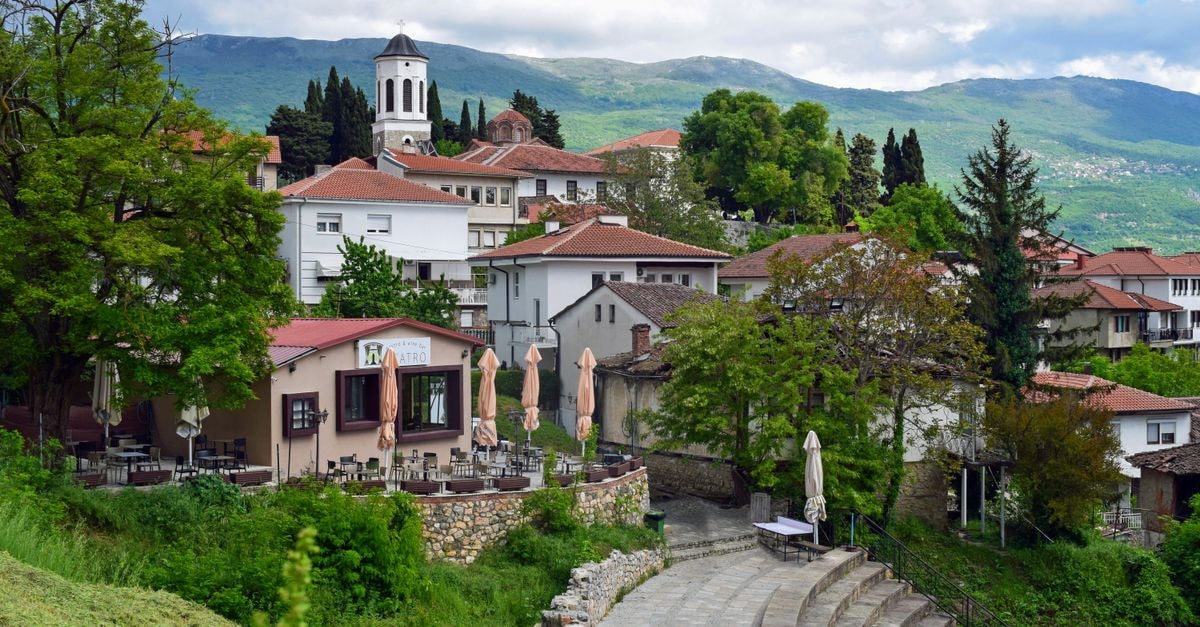
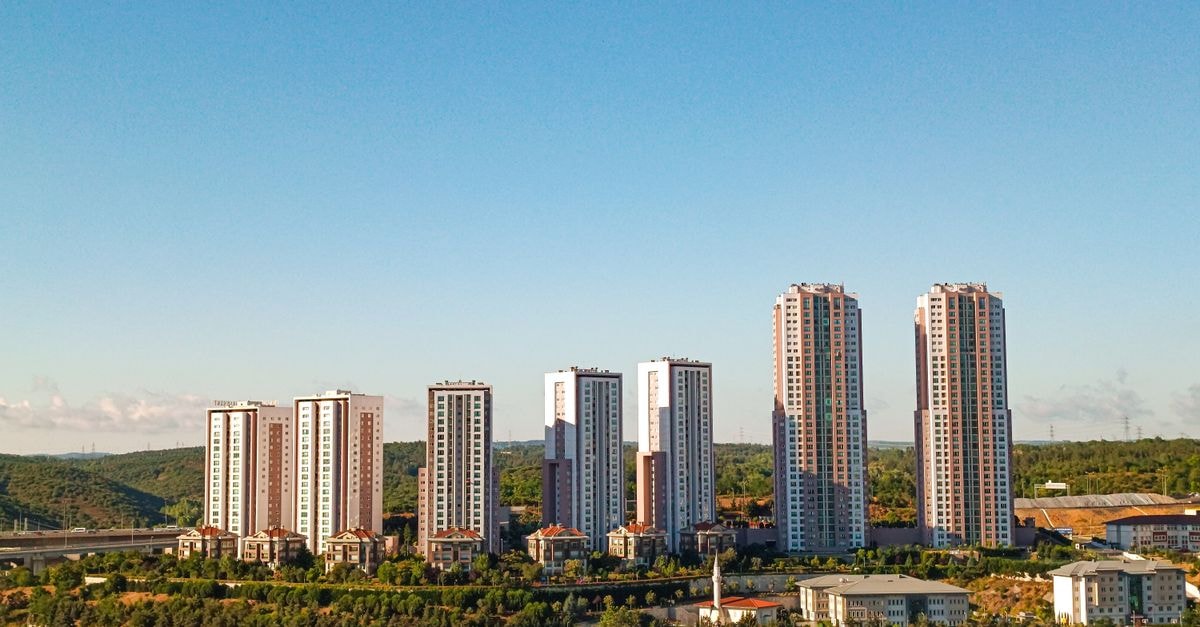
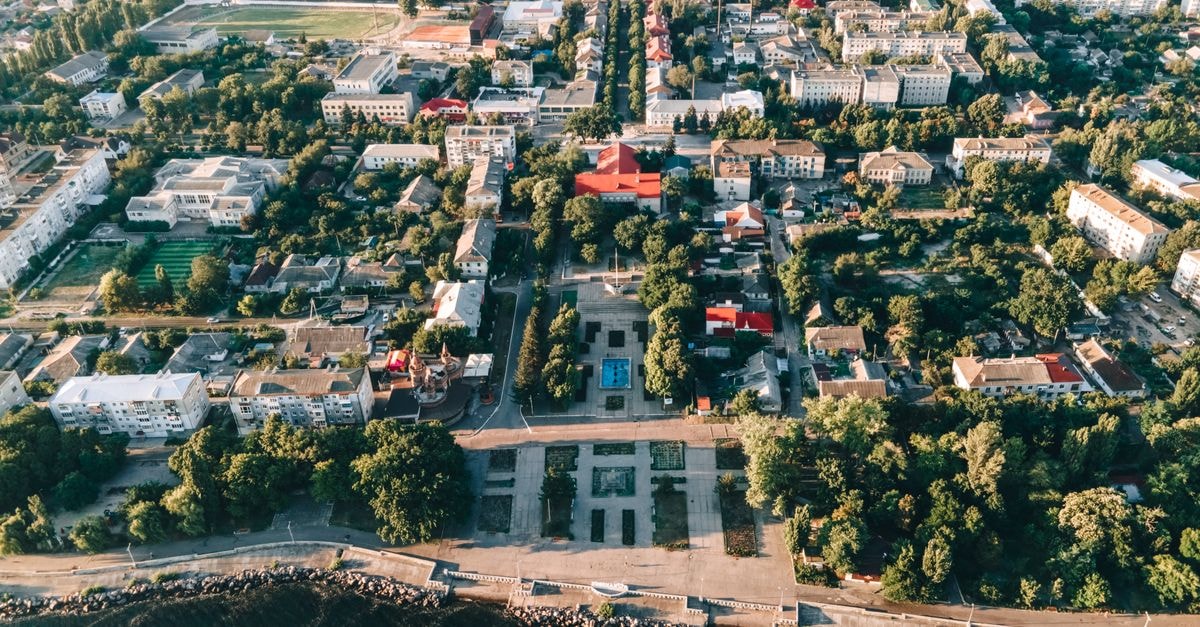
Beyond the museum, the city itself is the main attraction. Mogilev spills down both banks of the Dnieper, where battered Soviet slabs tower above cracked 19th-century merchant houses. From almost any elevated viewpoint the relationship between river, old merchant streets and heavier Soviet slabs becomes very clear. The mix can read as atmospheric rather than polished, but that is part of the appeal: you are looking at a working regional capital that still shows its layers rather than a curated postcard. Give yourself time to wander, to cross the river, and to compare the two banks on foot.
Food and local context
Mogilev is described as a place where the cuisine is part of the reason to visit, and visitors are encouraged not to miss trying its delicious local food. Travellers approaching the city should expect eating to be treated as part of the experience rather than an afterthought. The culinary identity sits comfortably alongside the city's older merchant-era atmosphere and its more imposing 20th-century buildings.
In practical terms, one of the most accessible ways to engage with local food is to visit the weekly markets. These markets are a regular feature of life in Mogilev and offer local produce alongside artisan products, giving visitors an easy window into what is grown, made and sold locally. They are also a relaxed way to spend a few hours, with plenty of opportunity to wander, taste and talk. Markets tend to work well as a low-effort, high-reward stop, especially if you are still finding your bearings in the city.
Across Belarus more broadly, hearty, slow-cooked dishes and a strong tradition of dairy, potato and grain-based cooking tend to show up on menus, and visitors in Mogilev are likely to encounter that wider Belarusian food culture in everyday settings. That kind of national context helps frame what you find locally without claiming any specific dish as a Mogilev specialty, and it makes the markets an even more useful place to ask questions and learn.
How to shape a visit
Because the centre is compact and the main anchor, the Mogilev Regional Art Museum, sits in a former mansion rather than a purpose-built gallery, a relaxed pace tends to suit the city. A short stay focused on walking the riverbanks, spending time at the museum and exploring the markets will give a fuller picture than trying to pack in long distances. The Soviet-era architecture reads best in contrast with the older merchant streets, so planning a route that crosses the Dnieper and loops back along the opposite bank pays off.
If you have a longer window, the markets are worth revisiting on different days to see what changes between visits. Combining a market stop with a slower walk through the older streets and a sit-down meal in between gives a comfortable rhythm that suits the city's tempo.
A note on planning
Travelling in a regional city like Mogilev is at its best when plans stay flexible. Flight schedules through the city's airport, market days, and museum opening hours can all shift, so it is worth confirming current details through official channels before you set out. Local tourist information points, the airport itself and the museum are sensible first stops for the most up-to-date practical information.
Factual travel conditions can change, and official channels should be checked before departure. Treat this guide as a starting framework for getting to know Mogilev rather than a fixed itinerary, and let the river, the architecture and the markets set the pace once you arrive.
Share this article
TOOLS FOR THIS PLAN
Make the Mogilev plan measurable
Choose a tool only when it answers the next question in your trip. Your values stay in the browser, and each tool offers a route back to this planning context.