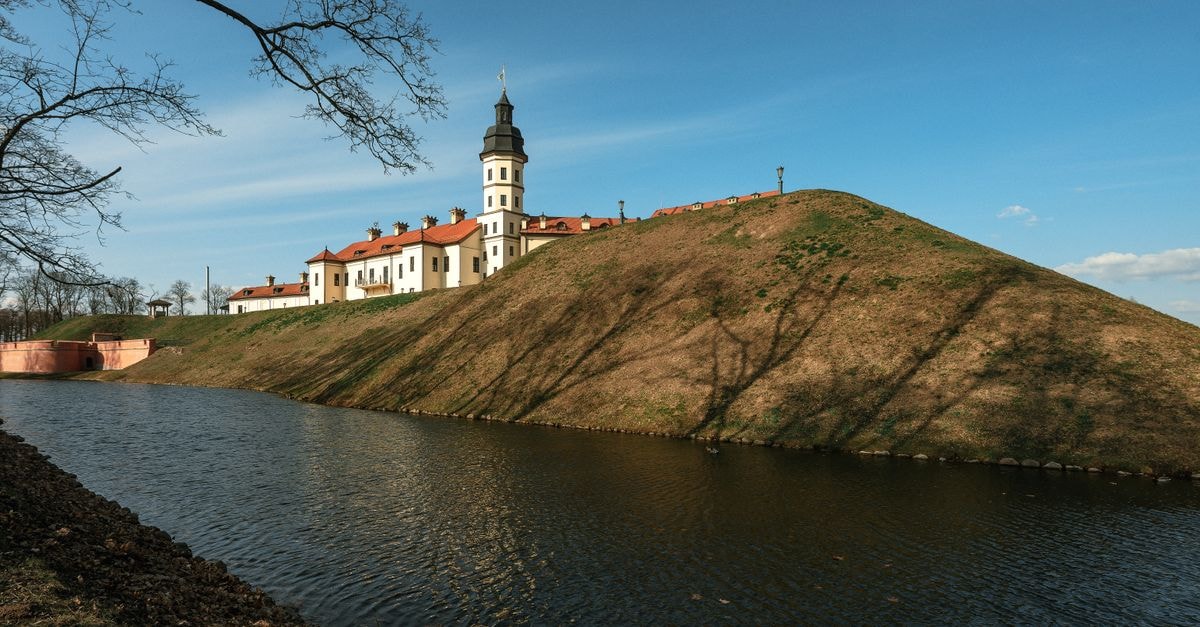
A first impression of the southern port

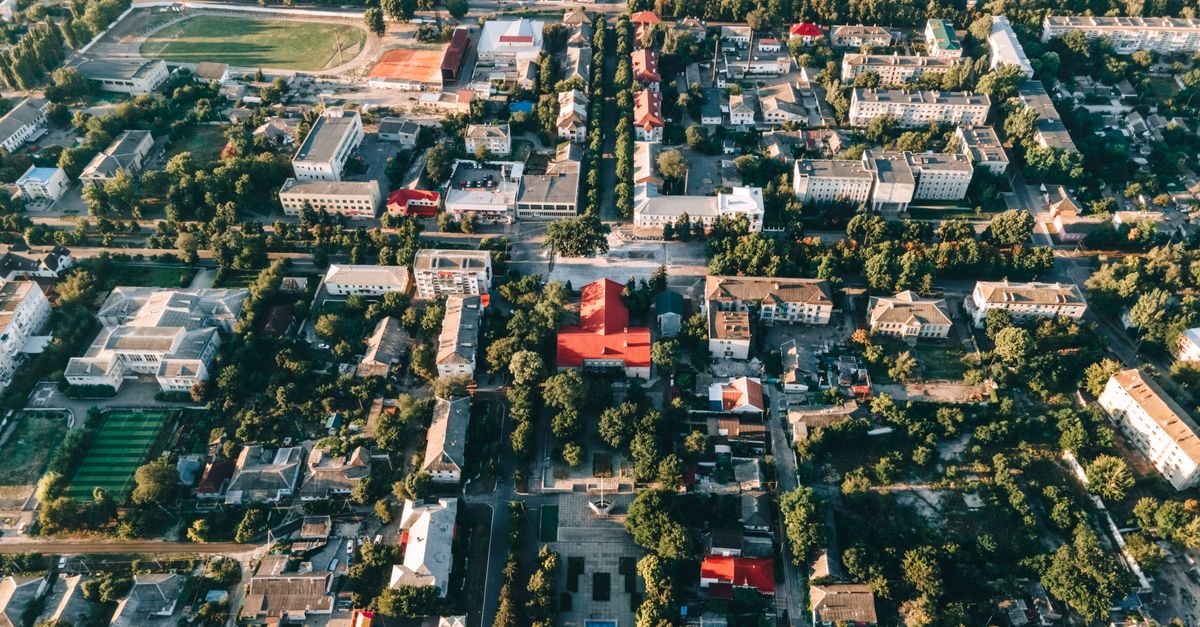
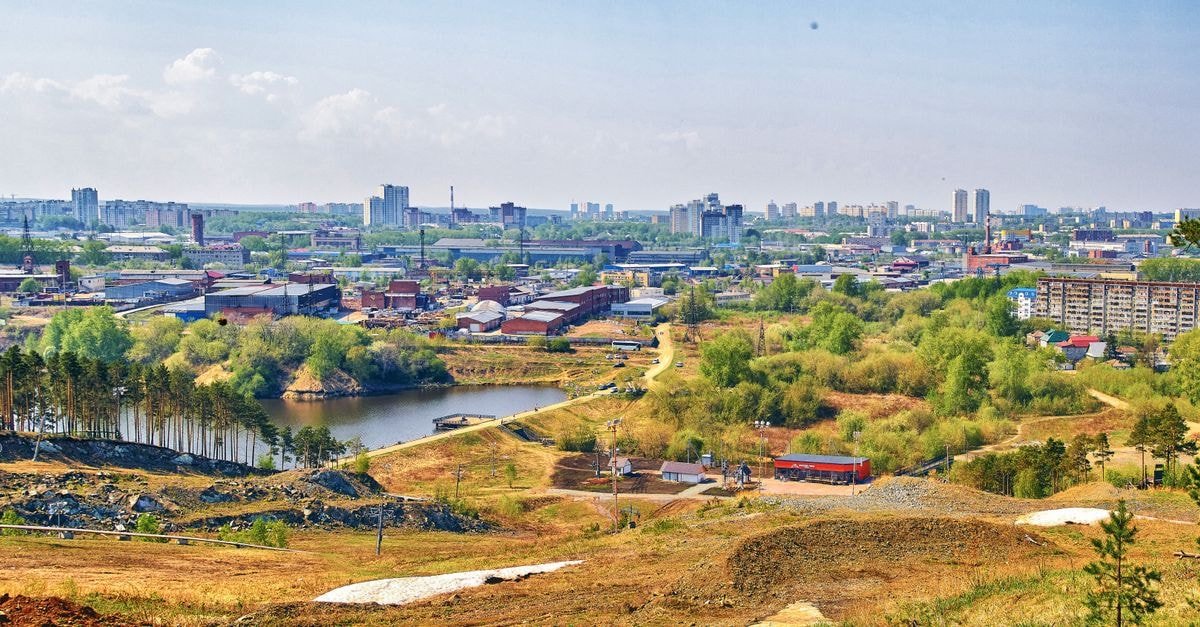
There is a particular kind of stillness to Kherson that travelers tend to remember long after they leave. The city sits on the right bank of the Dnieper, close enough to where the river meets the Black Sea that the air carries a faint saltiness on certain evenings, and far enough inland that it still feels like a working southern Ukrainian town rather than a resort strip. Travel writers who have profiled the city describe it as a cozy and sunny place in southern Ukraine, where the rhythm of life is set by river waves and the wide-open steppes that begin just outside the urban edge. That description still does the best job of capturing the first impression: an important industrial center wrapped in the quiet charm of an old port.
This is a destination where context matters as much as a checklist of sights. Before any practical planning, the situation on the ground deserves a careful read, and that is where this guide begins.
Safety and the current situation
Any honest guide to Kherson right now has to lead with the same reality: this is not a city where travel can be approached casually. Authorities have urged residents to leave the city following a Russian overnight attack that caused extremely serious damage to the Kherson combined heat and power plant. That message came from the Head of the Kherson Regional Military Administration, Oleksandr Prokudin, on his official Telegram channel. The takeaway for any prospective visitor is straightforward — official guidance is the only guidance worth following, and that guidance has pointed toward leaving rather than arriving.
For travelers researching the city from a distance, the practical implication is that trip planning should begin with current official statements, not with itinerary templates. Local infrastructure that visitors might otherwise take for granted — heating, power, and the systems that support daily movement — has been directly affected. Until conditions change, the city's hospitality and transport networks cannot be relied on as they would be in a normal destination, and a thoughtful guide says so plainly rather than papering over it.
The weather and the feel of the place
Kherson's setting alone shapes how the city feels underfoot. It sits on the picturesque right bank of the Dnieper, just a few dozen kilometers from where the Dnieper flows into the Black Sea, and that proximity gives the city a softer light than you might expect from a steppe region. The combination of river, sea air, and open plain produces long, bright stretches of sky, and the city's status as an important industrial center sits comfortably alongside the quieter rhythm of its southern port heritage.
Because the source material for this guide does not include direct month-specific temperatures, it is better to describe the city's climate character than to invent numbers. Southern Ukrainian cities near the Black Sea typically experience hot summers and mild shoulder seasons, with the Dnieper softening the temperature a little. Travelers reading guides that mention the "sound of river waves and the scent of blooming steppes" should picture something close to that: a place where the sky is wide, the river is present, and the pace slows naturally when the sun is high.
Getting around and the transport picture
The transport story in Kherson is not, at the moment, a story about tram routes or river crossings. It is a story about whether the city is currently a viable place to move through at all. The evacuation guidance issued after the strike on the combined heat and power plant is the most recent and most relevant transport-related fact available, and it comes from the regional administration's official channel rather than from a travel source.
For a traveler trying to think ahead, the practical framing is simple. Any movement into or around Kherson at this stage depends entirely on whether authorities continue to advise against travel to the city. Local public transport, taxis, and pedestrian routes cannot be planned in the usual way while such guidance is in place, because the conditions those services depend on — stable power, intact infrastructure, and a functioning municipal system — have been disrupted. Until the regional administration signals a change, the most responsible transport advice is to follow official channels first and only consider on-the-ground movement after that.
Food and the wider Ukrainian table
Food in Kherson is best understood as a regional expression of a wider Ukrainian table rather than as a standalone local cuisine with its own signature dishes. Ukraine as a country is known for a food culture that does not do subtle — a description that captures the national preference for bold flavors, generous portions, and dishes that announce themselves the moment they reach the table.
The dish most travelers will encounter first, and most often, is borscht. The classic framing is worth repeating here because it is so often misunderstood: this is not the pale, sweet, pink soup that has made its way into diners abroad. In its Ukrainian form, borscht is a deep, ruby-colored beet soup, usually served hot, often with a dollop of smetana (sour cream) and a side of fresh bread or pampushky (garlic rolls). It is the kind of dish that rewards a slow lunch and an unhurried conversation, and it appears on menus across the country.
A few wider points of context are worth keeping in mind. Ukraine is a diverse Eastern European nation with a long agricultural history, and the food culture reflects that — bread, dairy, preserved vegetables, and meat dishes all play a strong role. Visitors who treat Ukrainian dining as an experience rather than a checklist tend to get the most out of it, because the everyday rhythm of Ukrainian hospitality involves lingering over a meal and welcoming guests properly. In Kherson specifically, because of the current conditions, a sit-down restaurant experience cannot be relied on, and the wider national food culture is mentioned here only as context that visitors may encounter should conditions improve.
A final note for readers
Kherson is the kind of city that earns a traveler's respect long before it earns their visit. Its river setting, its southern light, and its long history as a port on the Dnieper give it a character that shows up clearly in writing, even when the on-the-ground picture is dominated by difficult news. For now, the responsible way to engage with Kherson is through attention: reading the regional administration's updates, watching for changes in guidance, and saving the deeper trip planning for a moment when the city's infrastructure and its people are in a better position to welcome visitors.
Factual conditions in any active travel context can change quickly, and official channels should always be checked before any travel decision is made. What is true in the source material today may not be true tomorrow, and the regional administration's statements remain the most reliable reference point for anyone weighing a visit.
Share this article
TOOLS FOR THIS PLAN
Make the Kherson plan measurable
Choose a tool only when it answers the next question in your trip. Your values stay in the browser, and each tool offers a route back to this planning context.