The feel of Mokhotlong

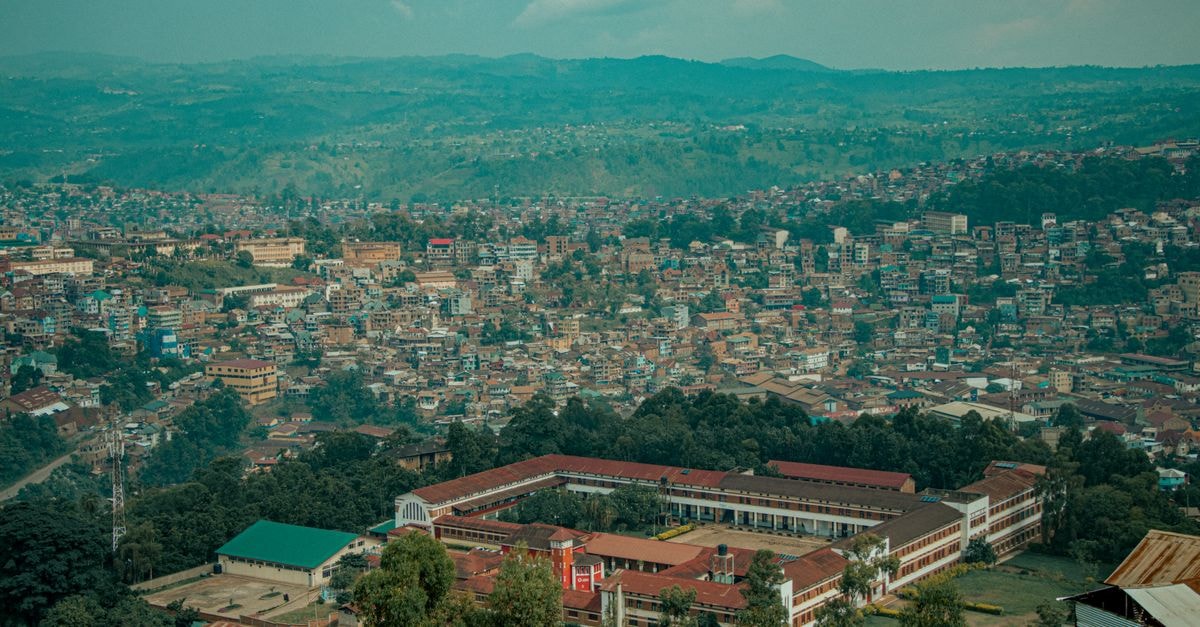
Mokhotlong sits in the far northeast of Lesotho, a highland district where roads stretch between distant villages and the sky seems to sit unusually close to the ground. Mokhotlong town serves as the district capital, and the wider area includes rural settlements such as Mapholaneng, giving the region a scattered, small-scale character that rewards unhurried travel. The landscape is what pulls most people here: wide horizons, mountain air, and a sense of distance from the busier lowland routes of the country. For travelers who enjoy places where nature sets the rhythm and infrastructure is simple, Mokhotlong offers an experience that is genuinely different from Lesotho's more visited corners.
Getting around
Reaching and moving through Mokhotlong is part of the experience. The district can be traveled to by car, bus, or taxi, which covers the realistic options most independent visitors will use. None of these is a high-frequency intercity service in the way travelers might expect from larger centers; bus and taxi departures are typically tied to local demand and daylight hours, which matters because some of the approaches to the district involve mountain passes. A self-driven or arranged car gives the most flexibility for reaching the more outlying natural sites in the district, while buses and shared taxis can work for travelers comfortable with a slower, more social pace of getting around.
Because Mokhotlong is a district rather than a single city, route planning tends to be about linking several points rather than circling one center. It can help to think of the trip as a small set of anchor stops, with the journey itself — the valleys, the passes, the Basotho village settlements along the way — as a consistent part of the experience. For travelers who prefer door-to-door convenience, arranging a driver through accommodation in advance may suit the region better than relying on finding transport on arrival, especially for early-morning starts to trailheads. Travelers used to dense public transit networks should expect fewer formal options and a more flexible, negotiated style of getting from place to place.
Attractions and planning
The Mokhotlong district is best known for its protected landscapes. Ts'ehlanyane National Park, located in the heart of the Mokhotlong district, is described as a natural wonder showcasing the rich biodiversity and landscapes of Lesotho's mountainous terrain. It is one of the two headline parks of the area and is widely positioned as a top reason to visit the district. For travelers who want a single, focused outdoor experience without long transfers, Ts'ehlanyane is often the anchor of a Mokhotlong itinerary.
Sehlabathebe National Park, nestled in the Mokhotlong district, is described as a breathtaking expanse of natural beauty. It is the second of the district's two signature parks and offers a different character from Ts'ehlanyane, generally read as a more remote and contemplative setting. Travelers drawn to lesser-visited protected areas, with an appetite for distance and limited services, may find Sehlabathebe especially rewarding. It is worth planning transport and supplies in advance for this park, as its position at the southeastern edge of the district means fewer incidental stops along the way.
Beyond the parks, the broader Mokhotlong district is also known for prehistoric rock art, which provides a window into the ancient history of Lesotho's early inhabitants. This is a heritage point that travelers with an interest in archaeology or cultural landscapes often appreciate, and it adds a human-time dimension to a trip otherwise shaped by natural scenery. It is a useful complement to the parks rather than a substitute for them — rock art sites in the district sit within the same highland setting that makes the parks worth visiting, and pairing the two themes creates a fuller picture of the area.
A practical note for the parks and heritage sites: conditions on the ground, including accessibility of specific trails or rock art locations, can change with weather and maintenance. Before committing to a particular route, especially toward Sehlabathebe, it is reasonable to ask locally about current road conditions and whether a guide is recommended for the specific site you intend to visit.
Picking what fits your trip
Mokhotlong rewards travelers who come prepared for simplicity. If your main interest is a highland nature experience with reliable infrastructure, Ts'ehlanyane National Park is the more accessible anchor and pairs naturally with a drive through the surrounding district. If you prefer a more remote, less-frequented protected landscape and are comfortable with longer transfers, Sehlabathebe offers a quieter counterpart. Travelers with an interest in cultural heritage and deep human history can use the district's prehistoric rock art as a secondary thread, woven in alongside the parks rather than treated as a separate trip. Across all of these, a flexible approach to transport — whether that means a private arrangement or patience with local buses and taxis — tends to make the experience smoother than a rigid schedule.
A final note
Because Mokhotlong is a working rural district as well as a travel destination, practical details such as road access, transport availability, and on-site conditions can shift. It is a good idea to confirm current travel conditions through reliable local channels before departure, and to allow extra time in your plans for the realities of highland travel in Lesotho. The reward for that flexibility is a part of the country that still feels largely untouched.
Prices, opening hours, schedules, reservation rules, and local conditions can change; verify them through official channels before departure.
Share this article
TOOLS FOR THIS PLAN
Make the Mokhotlong plan measurable
Choose a tool only when it answers the next question in your trip. Your values stay in the browser, and each tool offers a route back to this planning context.