A first look at Dzaoudzi

There is something unhurried about Dzaoudzi. The town stretches across a small islet connected to its larger neighbour, and the pace seems to match the heat of the coastal air. It is the kind of place that rewards travelers who arrive curious rather than over-scheduled, with a few specific landmarks to anchor the day and long stretches of seafront where the rhythm simply slows.
This guide is built for independent visitors who want a clear sense of what is worth seeing, what the dry season means for the light, and where the everyday life of the town reveals itself. Think of it as a starting point for planning rather than a checklist.
Weather and seasonal context
The climate of Dzaoudzi shapes almost every other choice on a trip here. Travelers familiar with the wider Indian Ocean know that conditions tend to split into a wetter, more humid stretch and a drier, clearer stretch, and Dzaoudzi follows that rhythm.
According to destination climate guidance, the most rewarding periods for a visit tend to fall between June and October, described as the dry season with clear skies that favor the views over the lagoon and across the channel toward Grande-Terre. For visitors whose main interest is photography, harbor panoramas, or simply spending time outdoors without sudden downpours, this window can suit a trip particularly well. For those traveling outside that window, the town itself does not close down; the climate guidance is simply a signal that the light and the sky may feel different, and outdoor plans may need a little more flexibility built in.
It is worth noting that this is a tropical island destination, so humidity and warmth are part of the experience at any time of year. Pacing the day with the strongest midday sun in mind, and saving the longer walks for the cooler parts of the morning and late afternoon, can make a real difference in how the trip feels.
Attractions and planning
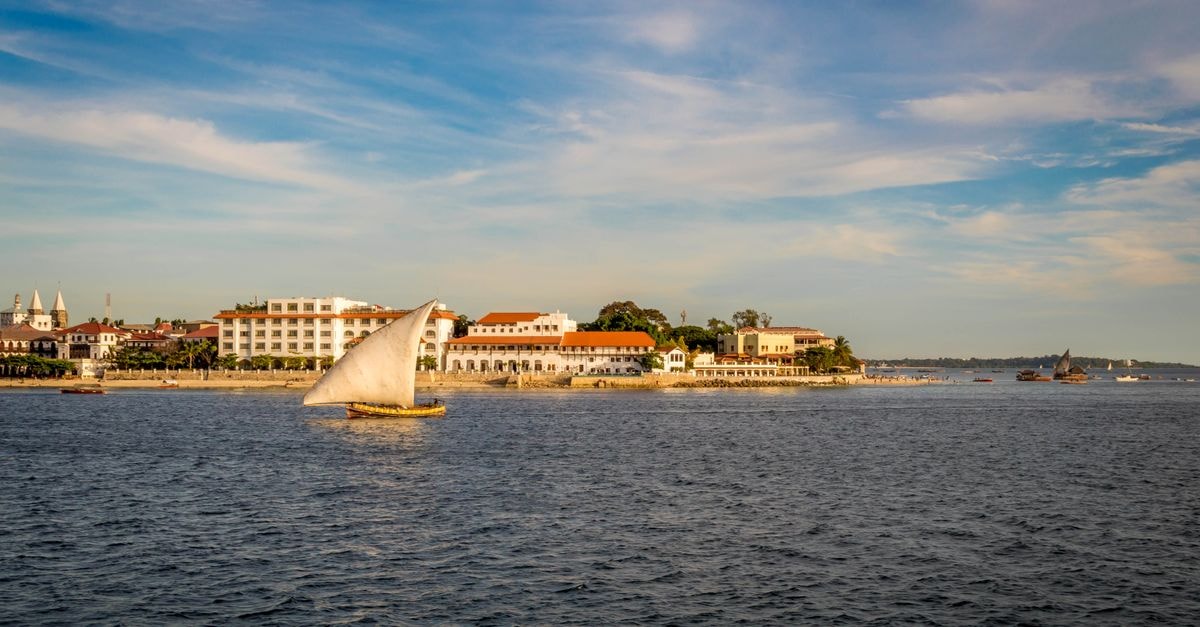
The single most distinctive landmark of Dzaoudzi is the volcanic outcrop that gives the historic core its shape. The town is built around a volcanic outcrop that rises over the surrounding coastal waters and defines the silhouette of the area. Travelers who enjoy landscapes with a clear sense of place often find this kind of setting especially memorable, because the geography is so visibly tied to the history that unfolded on top of it.
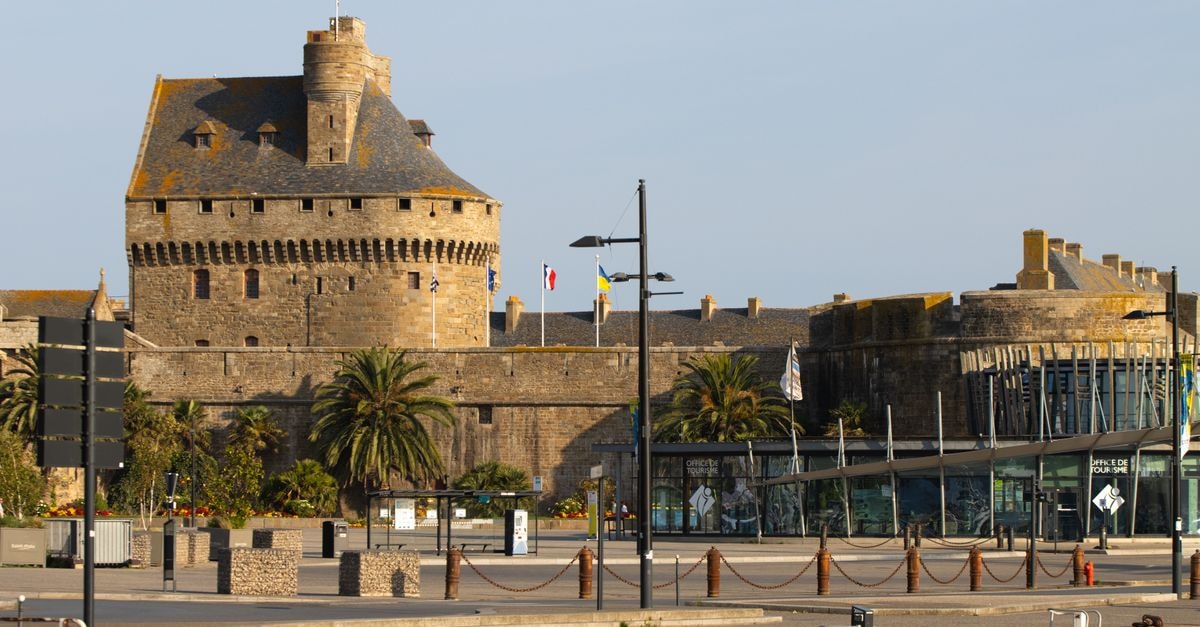
Crowning that outcrop is the Fort de Dzaoudzi, an ancient fortress that once served as a defensive position against pirate attacks and is now a popular attraction for visitors. Today, the fort draws travelers who are interested in history, in views, or in a short climb rewarded by a wide perspective over the lagoon. For visitors who prefer not to take on too many stairs, the surrounding seafront and the base of the outcrop still offer a generous sense of the place, and it is worth asking locally about the easiest route up if mobility is a concern before committing to the climb.
The fort's pirate-defense history also adds a layer of narrative for travelers who like to read a landscape through its stories. Knowing that this stretch of coast once needed protecting reframes the calm channel you see today, and it gives a short visit more depth than a single viewpoint normally offers.
Food and local context
One of the easiest ways to settle into the pace of Dzaoudzi is to walk the seafront promenade. The Dzaoudzi waterfront promenade is described as a seafront walkway lined with cafés, fishing boats, and views toward Grande-Terre and the lagoon. For travelers who enjoy combining a slow stroll with a coffee stop, or who simply like watching boats come and go, this stretch of the town tends to be where everyday Dzaoudzi reveals itself most naturally. It also suits visitors who would rather experience a place through its rhythm than through a packed schedule.
A short detour from the promenade leads to the small shops and stalls that reflect the wider food culture of Mayotte. Local spice stalls sell ylang-ylang, vanilla, and spice blends tied to the culinary traditions of the island. For travelers who enjoy bringing flavors home, or who simply want to understand what they are tasting in local dishes, browsing these stalls can be a small highlight in itself. The same stalls are also a gentle introduction to the aromatic side of Mayotte's cooking, which leans on vanilla, ylang-ylang, and a range of island spice blends that appear across the wider territory.
It is worth framing these stalls as a window into Mayotte's food culture more broadly rather than a Dzaoudzi-exclusive market, since the ingredients and traditions they reflect belong to the island as a whole. Travelers interested in tasting those flavors in cooked form will often find them woven into everyday dishes around the territory, and the stalls themselves are a useful place to ask questions and learn what to look for on a plate.
Choosing what fits the trip
Because Dzaoudzi is compact, the choices that shape a visit tend to be about rhythm rather than logistics. Travelers whose priority is clear skies and long lagoon views may want to align their trip with the June-to-October dry season noted in the climate guidance, while those happy to trade a little weather flexibility for fewer crowds can let the calendar fall where it does. The waterfront promenade and the spice stalls suit almost any pace and any length of stay, while the climb up to the Fort de Dzaoudzi rewards visitors with the energy and curiosity for a short ascent and a sweeping payoff view. The town is best treated as a slow place to wander, look, and listen, rather than a list of sights to clear.
Before you go
A few practical reminders apply to almost any visit here. Climate and seasonal guidance for Dzaoudzi describes a June-to-October window as the most rewarding for clear skies, but this is general long-term context rather than a live forecast, so conditions on the ground can vary. For anything that needs to be confirmed before travel, such as current conditions, local services, or transport connections, checking official channels close to departure is always the safer choice, since travel conditions can change over time.
Share this article
TOOLS FOR THIS PLAN
Make the Dzaoudzi plan measurable
Choose a tool only when it answers the next question in your trip. Your values stay in the browser, and each tool offers a route back to this planning context.