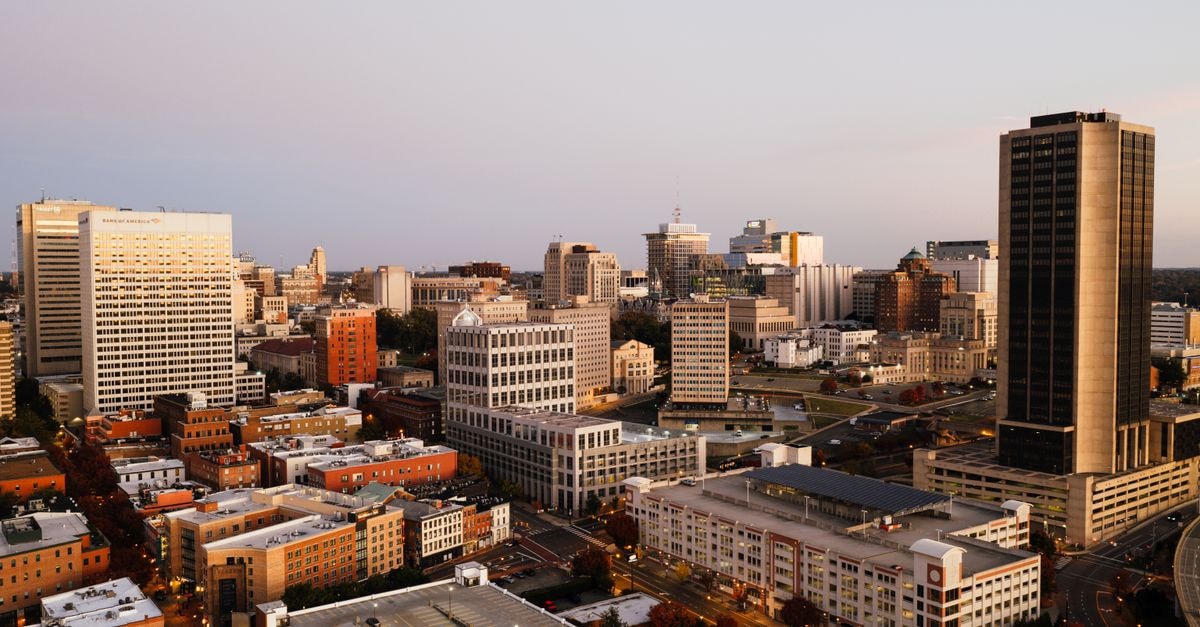
A First Look at Monterrey

Set against the dramatic backdrop of the Sierra Madre, Monterrey has long carried a reputation as Mexico's hard-working northern powerhouse — a city of industry, big skies, and weekend cookouts that spill into the streets. For a visitor arriving without much local context, the appeal is wonderfully layered: a walkable historic core, a coffee scene that has found its rhythm in recent years, and an easy openness that makes short stays feel surprisingly full. This Monterrey travel guide keeps the focus tight on three things the evidence actually supports: how to move around the city, how to plan your days, and how to eat like a thoughtful visitor rather than a tourist checking boxes.
Getting Around
Monterrey's approach to visitor transportation is refreshingly simple, and it centers on a strategy that visitors arriving by car will recognize immediately. The city's official plan, known as **Park & Rail**, sets up temporary parking lots across Monterrey, and those lots connect directly to the stadium by official FIFA shuttle buses. In practical terms, that means fans and visitors driving into the city have a designated place to leave the car and a clear, supported route onward — no guesswork about where the shuttle picks up, and no need to fight for curb space near major event venues. It's the kind of infrastructure that quietly takes stress off the day, and it's worth knowing about even if your visit isn't event-focused, because it signals how the city thinks about moving large numbers of people smoothly.
For travelers without a car, the Park & Rail setup is a useful template: identify a main hub, look for an official shuttle, and let the system do the work. While the evidence specifically describes the FIFA match-day arrangement, the underlying logic — park once, ride onward — translates well to a visitor's general mindset in Monterrey. Plan your day around one or two anchor points rather than trying to bounce across the city, and the logistics tend to fall into place.
Attractions and Planning
Monterrey rewards travelers who think of the city as a base rather than a checklist. One of the most practical ways to stretch a visit is to take a half-day tour that pairs Santiago with the Cola de Caballo waterfall, frequently described as one of the most beautiful waterfalls in Mexico. Because it lives within an easy reach of the city, the pairing is a natural fit for a single morning or early afternoon, leaving the rest of the day open for a slower return, a long lunch, or a coffee stop on the way back. Treat it as a self-contained outing rather than a forced march, and it tends to be one of the more memorable parts of a Monterrey trip.
Broader Mexico trip planning is also worth a thought while you're here. Monterrey sits in a part of the country where it makes sense to think about how a visit connects to the wider arc of a Mexico itinerary — whether that means pairing the city with Mexico City, working in a museum day, adding a stop at Teotihuacan, or sketching out a longer Copper Canyon route built around the El Chepe train. None of those choices have to be decided in advance, but a quick mental map early in the trip helps you decide which days in Monterrey deserve your full attention and which ones are better spent as gentle transitions. The city's strength is that it doesn't ask to be the whole story; it slots in cleanly as a chapter.
Food and Local Context
Food in Monterrey isn't just about meals — it's a form of social life, and carne asada is the clearest example. In Monterrey, carne asada isn't really a recipe in the way a visitor might expect; it's the social act of grilling, gathering, and staying long at the table. For visitors, that's an important distinction. You're not looking for a single iconic dish to order; you're looking for the culture around the grill. That might show up as a long, lazy weekend afternoon with friends, a neighborhood gathering, or a restaurant that treats the ritual with the seriousness it deserves. Eat slowly, expect the meal to stretch, and don't be surprised when the table conversation outlasts the food.
The coffee scene tells a quieter but equally local story. Monterrey sits in the middle of a genuine coffee renaissance, driven by a small group of roasters based in San Pedro and Barrio Antiguo. For a visitor, that translates into one of the easiest and most rewarding habits to pick up while in town: build an afternoon around a single café, or string two or three together across a neighborhood and let the day unfold at walking pace. The roasters in those two districts are doing some of the most interesting work in northern Mexico right now, and the cafés are designed for lingering rather than grabbing a cup to go.
If you want a structured way into the city's traditional dishes, local travel agencies offer food tours that showcase the best traditional plates Monterrey has to offer. These are useful for visitors who want context as much as flavor — a guide can explain why certain preparations matter here, and how they fit into the city's everyday rhythm. Pair a food tour with independent café time and a long carne asada lunch, and you'll cover the spectrum of how Monterrey actually eats.
Pacing and Practical Rhythm
A few gentle notes that don't require hard data but come from how the city feels on the ground. Monterrey runs warm and bright much of the year, and the pace of a visit tends to be more enjoyable when mornings are kept active and the hottest part of the day is reserved for indoor time — a museum, a shaded café, or a slow lunch. Evenings open up beautifully, especially in the older neighborhoods where the coffee bars and restaurants come alive after the sun drops.
Because this is an evergreen guide rather than a seasonal one, it's worth treating any specific day-of-the-week events, festival schedules, or temporary closures as something to confirm closer to your trip through official channels. The Park & Rail shuttles, food tours, and coffee scene described above are durable parts of how the city welcomes visitors, but always verify hours, bookings, and any event-related transport arrangements before you go.
A Final Note for Visitors
What makes Monterrey work as a destination is its honesty. It doesn't dress itself up as something it isn't, and visitors who arrive with a flexible plan — a car parked at a Park & Rail lot, a half-day tour booked toward Santiago and Cola de Caballo, a coffee bar in Barrio Antiguo on the itinerary, and at least one long carne asada afternoon — tend to leave with a much richer impression than those who try to pack the city into a tight script. Let the city set the pace, and it returns the favor.
Travel conditions can change, and details such as shuttle operations, food tour availability, café hours, and access to natural sites like Cola de Caballo should always be confirmed through official channels before departure.
Share this article
TOOLS FOR THIS PLAN
Make the Monterrey plan measurable
Choose a tool only when it answers the next question in your trip. Your values stay in the browser, and each tool offers a route back to this planning context.