Where the two rivers meet

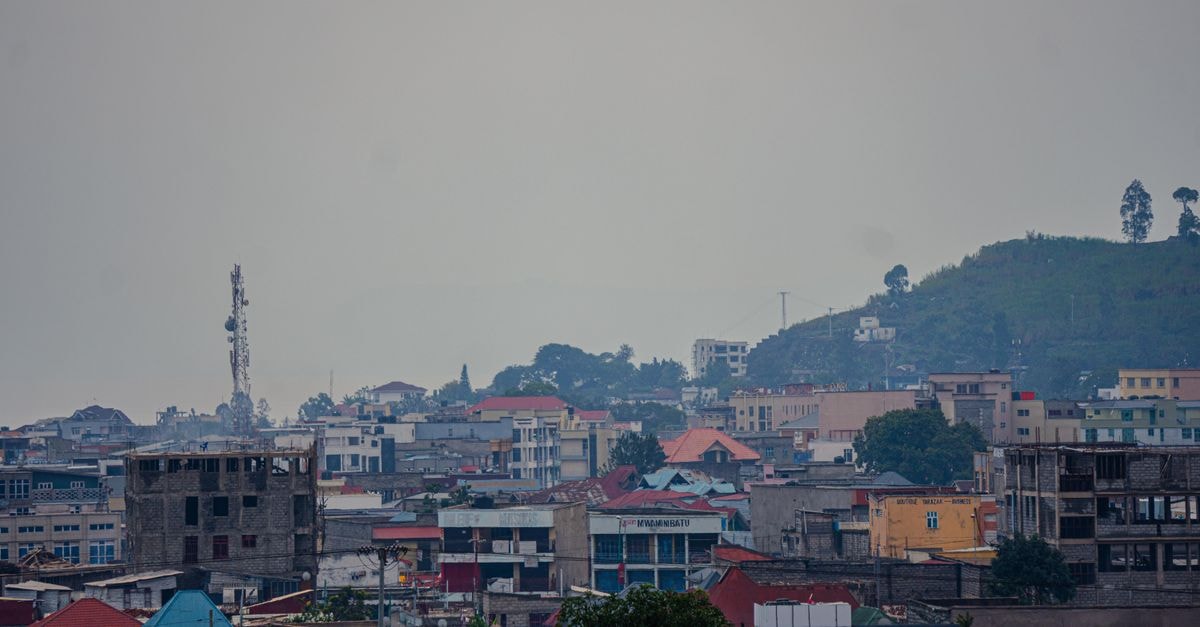
There is a particular kind of hush that settles over a town built on water and sand. Mopti sits at the confluence of the Bani and Niger rivers, a sand-blown crossroads that often reads as the final outpost before the Sahara opens up beyond it. The riverfront shapes everything here: the rhythm of trade, the breeze that slips between buildings at dusk, and the long views from the old port toward the islands of the Niger.
This guide keeps things grounded in what Mopti is best known for — its Sudanese-style mud architecture, its river-fed food culture, and the practicalities of moving around a city where the water is as much a road as any street.
Weather and seasonal context
Mopti's climate is a steady one rather than a dramatic one. Long-term weather averages put January daytime maximums at around 32°C, which gives a sense of the kind of heat the city can carry through its cooler months. Travellers who arrive expecting the dry-season calm of the Sahel should plan for bright, sun-heavy days, especially if walks along the riverfront stretch into the early afternoon.
There is no real cold season to prepare for here, but the rhythm of the year matters. The dry months tend to feel easier on foot than the wet ones, when river levels rise and certain routes can shift. Pacing the day with the heat in mind — slow mornings, a long midday break, and golden-hour outings — tends to suit the town rather than fight it.
Attractions and planning
The architectural heart of Mopti is its mud-brick religious heritage, and the most photographed expression of that is the **Grande Mosquée de Mopti**. The mosque rises along the riverfront, a striking mud-brick structure that reflects Mopti's deep Islamic heritage. Its towers and tapering forms are a clear echo of the wider Sudanese style found across the inland Niger delta.
The second landmark worth singling out is the **Grand Mosque of Mopti** in the Komoguel district, where the Sudanese mud towers climb above the neighbourhood. Together, these two perspectives — the riverfront silhouette and the Komoguel cluster — give a fuller sense of how the old town reads against the Niger.
Beyond the mosques, the simplest pleasure is walking. The riverfront promenade, the lanes around the old market, and the views back across the water toward the islands give Mopti much of its character. The light here does a lot of the work, especially late in the day, when the mud walls glow amber and the river turns the colour of beaten metal.
Getting around
Mopti is not a city you drive yourself around. Excursions further afield — and the source guidance treats anything outside the town itself as an excursion — should be arranged through your hotel or a reputable operator with a private vehicle and driver. That single piece of advice quietly settles a few common travel worries: which road to trust, where to stop, and how to plan a day that begins and ends in town without logistical guesswork.
Within the city itself, distances are short. The old town, the riverfront, Komoguel, and the market areas all sit close enough together that most days unfold on foot, with a taxi or a hired boat for the longer hops or for reaching the quieter corners along the Niger. Boats are part of everyday life here, not a tourist novelty, so even a short crossing feels like a small piece of the city's working rhythm.
Food and local context
Mopti's culinary landscape reflects the city's position as a meeting point — a place where river catch, millet, and peanut-based traditions cross paths. The signature dish, and the one worth seeking out first, is grilled *capitaine* — Nile perch from the Niger, grilled whole over charcoal and served with rice and a tomato sauce. It is one of West Africa's finer freshwater fish preparations, and the freshness of the fish is the whole point.
A close cousin to that plate is tilapia grilled over an open flame, often found at the bustling Great Market. The market itself is more than a place to eat; it is a hub where locals sell fresh produce and traditional staples like *kéfé* (millet porridge) and *taguéré* (peanut soup). For visitors who want to understand the city through its everyday rhythm rather than its monuments, a slow loop through the market — pausing for grilled fish if the smoke is up — is time well spent.
Across the wider country, Malian food culture leans heavily on millet, rice, peanut sauces, and freshwater fish where rivers run, so what you find at a charcoal grill in Mopti is recognisable to anyone who has travelled elsewhere in Mali. The local twist in Mopti is simply proximity: the fish is fresher here than almost anywhere, and the grilling happens within sight of the boats that brought it in.
A few practical notes
- **Footwear and clothing.** Mud-brick architecture is best appreciated on foot, and the streets around the mosques and the market mix sand, stone, and worn paving. Comfortable shoes carry you further than a packed schedule. - **Daylight planning.** Most sightseeing rewards the cooler hours. Mornings and late afternoons are gentler, and the light is better for the mud walls of both the riverfront mosque and the Komoguel cluster. - **River crossings.** Treat boats as part of getting around rather than a special excursion. Short crossings to the quieter banks are easy to arrange and offer a different view of the old town. - **Language.** French is widely understood, and a handful of local languages are spoken. Even basic French opens up the market experience considerably.
A note on verification
Travel conditions can change. Routes, transport availability, market rhythms, and the practical details of visiting religious sites shift over time. Before travelling, check current travel advisories, confirm arrangements with your hotel or a reputable local operator, and verify any opening details with official sources. The guidance above is intended as a starting framework for planning, not a substitute for up-to-the-minute local information.
Share this article
TOOLS FOR THIS PLAN
Make the Mopti plan measurable
Choose a tool only when it answers the next question in your trip. Your values stay in the browser, and each tool offers a route back to this planning context.