A River City Reopening to the World

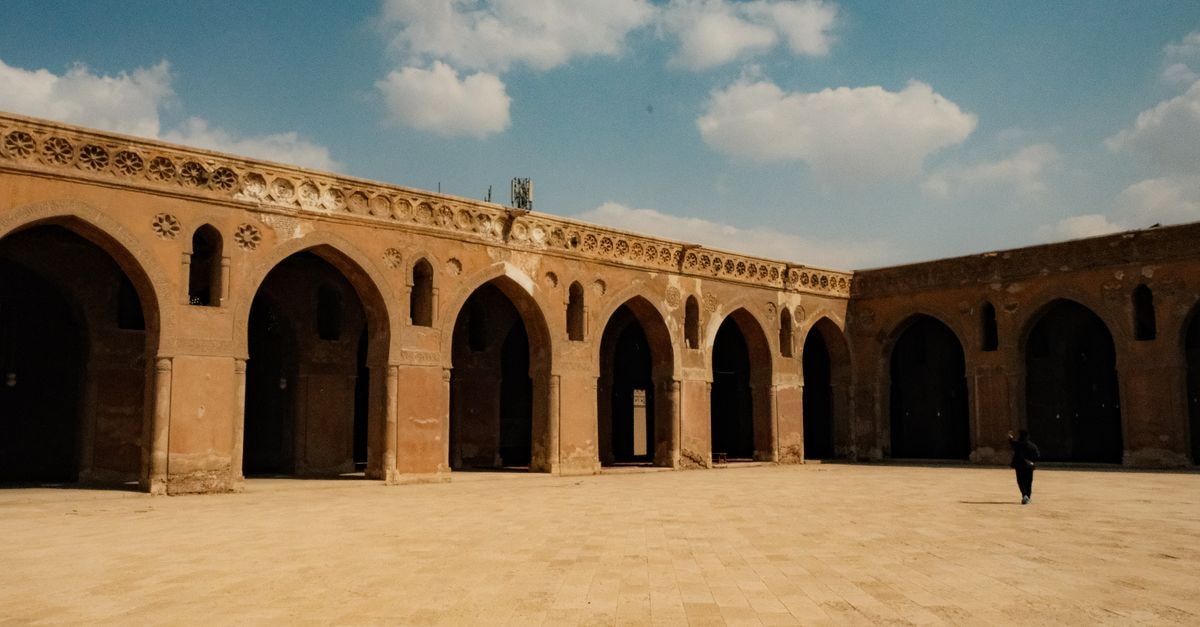
Mosul sits on the banks of the Tigris in northern Iraq, the capital of Nineveh Governorate and one of the oldest continuously inhabited places in the region. Before 2014, it was known as one of Iraq's most religiously diverse cities, layered with ancient churches and mosques alongside a vibrant trade economy. The years since have been difficult, but heritage recovery is visibly underway, and visitors who arrive curious and patient find a city that wants to be understood again.
This guide gathers what is reliably known from the public record: the general feel of Mosul's climate, how the airport and the streets connect (or don't), the heritage anchors that draw visitors, and the broader Iraqi food culture that travelers can expect to encounter while here.
Getting Around
Getting to Mosul and moving within it requires a little patience. Mosul International Airport is being rebuilt and currently has limited operations, so its connectivity score is modest. The airport page lists ground transportation options in Mosul, including transfer and shuttle services, but the rebuild means travelers should treat flight schedules and ground transfers as something to confirm directly rather than assume.
Inside the city, the layout is shaped by the Tigris. The eastern bank is walkable for short distances between neighborhoods, cafés, and shops, and most hotels are located there within that same walkable stretch. Reaching the old city on the western bank, however, generally requires a vehicle. Day-to-day transport therefore tends to be split: strolls along the eastern side for hotels, dining, and casual wandering, and a car or taxi for the crossing to heritage sites on the western bank. Travelers planning a slow day of sightseeing should mentally separate the two banks rather than try to link them on foot.
A practical note: because the airport and ground transport situation is evolving, confirming current transfer options, road access, and any local guidance with your accommodation or a trusted local contact before arrival is a small step that pays off.
Heritage and Things to Do
Mosul's headline attraction is the historical site of Nineveh, the ancient Assyrian capital that sits within reach of the modern city. For travelers drawn to antiquity, it is the anchor of any itinerary and a reminder that this region has been a center of civilization for millennia.
Closer to the modern center, several cultural anchors have become focal points for visitors interested in how Mosul is redefining itself:
- The Heritage Museum and the Mosul Heritage Art House, often mentioned together as a starting point for understanding the city's layered past and the recovery of its material culture. - The Churches of Old Mosul, which reflect the religious diversity Mosul was known for before 2014. Some churches in the old city have been rebuilt after destruction, while others still stand as damaged reminders; both states tell part of the city's story.
For first-time visitors, the practical shape of a day tends to be one major heritage anchor (Nineveh or a focused museum visit) paired with slower time in the old city's streets. There is no need to rush. Mosul rewards travelers who give space to listen, photograph, and absorb rather than tick boxes.
Food and Local Context
Think of Mosul's food scene as part of wider Iraqi cuisine rather than a closed-off local specialty. Sitting down for a long lunch or an evening meal with tea is a natural way to experience the city's rhythm, and visitors who ask locally about where to eat tend to be pointed toward unpretentious neighborhood spots that have served residents for years.
A Few Honest Notes Before You Visit
- Treat all transport information, especially the airport and ground transfers, as something to reconfirm close to your travel date. - Plan your day around the Tigris: walk the eastern bank, drive or taxi to the western. - Heritage sites like Nineveh and the rebuilt churches carry weight. A respectful, unhurried approach is welcomed. - Mosul's climate runs hot and dry in summer; pace your outdoor time accordingly and stay hydrated.
A Final Note on This Guide
The factual picture of Mosul continues to evolve, and conditions on the ground can shift faster than any written guide. The climate pattern, the split between the city's banks, the airport's gradual return to fuller operations, and the heritage anchors described above are the durable threads of this guide. Anything time-specific, whether a flight schedule, a museum opening hour, or a current security advisory, should be checked through official channels and local contacts before you travel. Treat this as a starting framework, then confirm the details that matter for your own trip.
Share this article
TOOLS FOR THIS PLAN
Make the Mosul plan measurable
Choose a tool only when it answers the next question in your trip. Your values stay in the browser, and each tool offers a route back to this planning context.