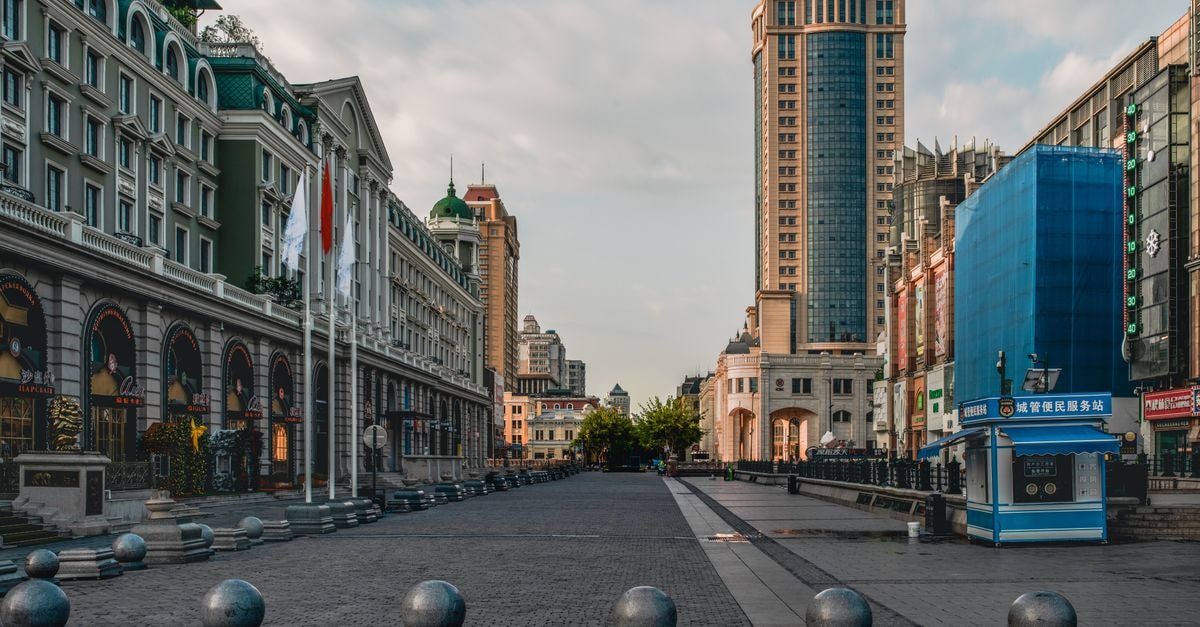
A river city that rewards a slow arrival

Baghdad has lived through empires and upheavals, but for a curious traveler willing to read the room, the Iraqi capital can feel surprisingly gentle on the ground. The Tigris still runs through the heart of the city, dividing the older eastern bank from the wider neighborhoods across the river, and most of what a first-time visitor wants to see clusters tightly around that water.
Getting around the walkable heart of Rusafa
If there is one piece of practical advice that saves energy in Baghdad, it's this: stay near Rusafa. Almost everything that makes the capital feel like Baghdad for a first-time visitor sits within roughly one walkable square kilometer of the eastern bank, between al-Maidan Square and the Tigris. Think of it as a compact old quarter rather than a sprawling modern capital, and the rhythm of the trip adjusts accordingly.
That compactness changes how you move. There is no need to plan an elaborate cross-city itinerary. Cafés, bookshops, religious sites, river lookouts, and the lanes that lead down to the water all sit close enough that you can wander back to a single neighborhood hub between activities. Mornings tend to feel easiest for walking, with the soft light catching the low concrete and the river reflecting a bit of sky back at the buildings. After the midday lull, the same streets come alive again in the cooler evening air.
For longer distances, the city has taxis and ride apps that locals use for daily life rather than tourist itineraries. Travelers consistently find that moving with a local contact, a fixer, or a trusted driver makes Baghdad feel less like a logistical puzzle and more like a city you are simply living in for a few days. Within Rusafa itself, your own two feet and an unhurried pace will cover most of what you came for.
Safety framing worth treating as a first question
The split between the official advisory and traveler reports isn't a footnote, it's the framing of the whole trip. On paper, the advisory sits at Level 4; in practice, visitors write about warm interactions and a calm capital. That isn't a contradiction to resolve but a tension to plan around.
Smart travelers treat the security picture as something they actively check before departure and again during their stay. That means reading current embassy guidance, registering with your consulate if that option exists for your nationality, arranging trusted local contacts, and being honest with yourself about your appetite for a destination where the formal risk reading and the on-the-ground feeling don't fully agree. If you go, you go with eyes open, not eyes closed.
Food and the wider Iraqi table
Two regional threads run through Iraqi food culture that visitors often notice during a stay in Baghdad. From the marshes of the south, fish wrapped in banana leaves arrives in markets and kitchens, bringing a smoky, herbal character that shows up in Friday cooking across the country. From the Kurdish north, mountain herbs and greens that don't grow anywhere else in the region flavor stews, rice dishes, and the simple breakfasts of yogurt, bread, and herb plates that you'll find served in many Iraqi homes. You don't need to travel to the marshes or the mountains to feel these influences; they travel to the capital on trucks, in coolers, and in the shopping bags of visiting family.
A few etiquette notes make mealtimes smoother. Hospitality in Iraq tends to be generous and assertive, and refusing a second or third helping can feel almost rude to a host who has clearly set out to feed you well. Tea is its own small ritual, poured in small glass cups, and accepting it is part of accepting the welcome. If you are fasting for Ramadan or traveling during the holy month, be aware that public eating during daylight hours is restricted in Iraq and applies to visitors as well as residents, so plan your snacks and café stops for evening hours or private spaces.
Planning a realistic day in Baghdad
Because Rusafa is so compact, a satisfying day in Baghdad looks more like a layered stroll than a checklist. A loose rhythm works well: start with a quiet morning coffee somewhere near al-Maidan Square, drift toward the river and any cultural or religious sites that catch your attention, pause for a long lunch in the early afternoon heat, and head back out as the light softens. The city gives back what you put in: travelers who try to rush through a long list of stops often remember the rush more than the place, while travelers who let a single neighborhood unfold tend to remember faces.
Resist the urge to stitch Baghdad into a wider Iraqi circuit on a first visit. The capital itself absorbs several quiet days easily, and staying put lets you feel how the rhythm of the place works rather than skimming the surface of multiple destinations.
A note on changing conditions
Travel conditions in any capital can shift, and Baghdad is no exception. Opening hours, security guidance, and transit patterns evolve, so check your government's current travel advisory and the Iraqi authorities' latest updates before you fly, and again once you're on the ground. Treat this guide as a starting frame for a curious, respectful trip rather than a live status report.
**Disclaimer:** Factual travel conditions can change at any time. Always verify the latest safety guidance, entry requirements, and local information through your government's travel advisory and official Iraqi channels before departure and during your stay.
Prices, opening hours, schedules, reservation rules, and local conditions can change; verify them through official channels before departure.
Share this article
TOOLS FOR THIS PLAN
Make the Baghdad plan measurable
Choose a tool only when it answers the next question in your trip. Your values stay in the browser, and each tool offers a route back to this planning context.