A first impression of Munnar
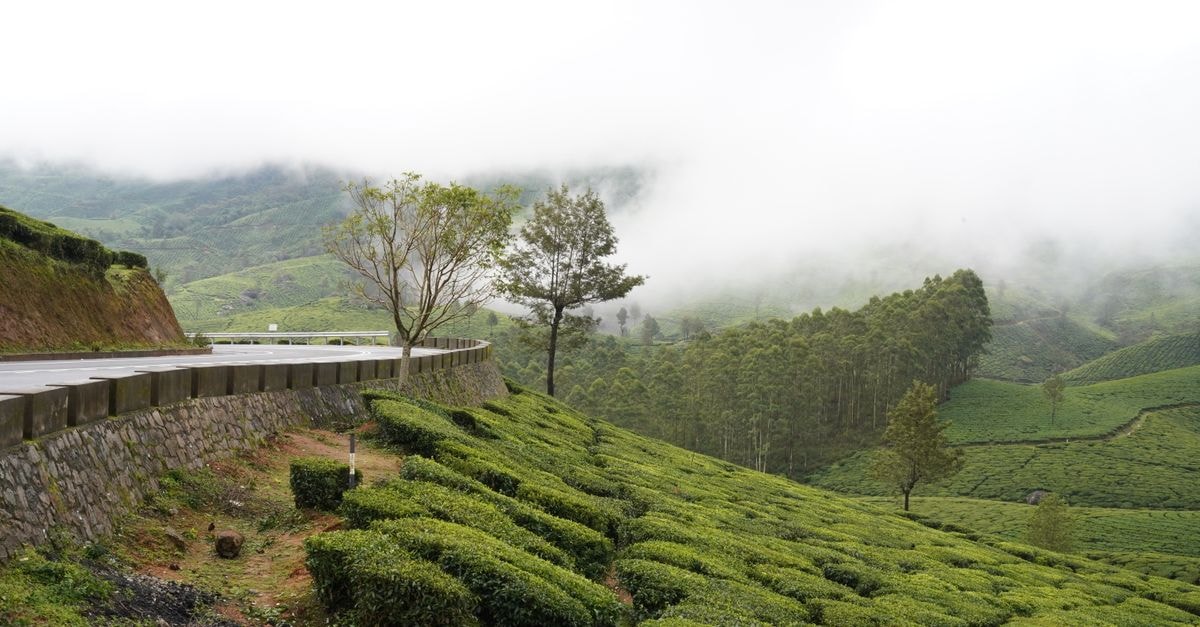
There is a particular hush that settles over Munnar as the early mist lifts from its tea-covered hills. Tucked into the Western Ghats of Kerala, this hill station feels less like a checklist of attractions and more like a place where the rhythm itself is the attraction. Visitors come for the sweeping green plantations, the cool highland air, and a sense of stepping away from the busier coastal stretches. Munnar is the kind of destination that rewards travelers who enjoy slow mornings, long walks under cloudy skies, and unhurried conversations over a steaming cup of chai.
Because the evidence base for this guide is intentionally narrow, the focus stays on three pillars that any Munnar traveler will lean on: the weather and seasonal mood, the practical question of where to stay and how to move around, and the wider Indian food culture that shapes what is on the plate throughout the region. If you are visiting Munnar for the first time, these are the layers worth understanding before you arrive.
Weather and seasonal context
Munnar sits at a relatively high elevation in the Western Ghats, and its climate behaves very differently from the tropical heat most visitors associate with the rest of Kerala. According to available travel references, Munnar is generally best visited between September and March, a window when conditions are often described as pleasant and crowds tend toward a medium level. The overall visitability is rated as doable with the right plan, and one source frames the autumn season as a period of pleasant conditions and moderate crowds, giving it a fit score that reflects a balanced rather than perfect experience.
For travelers, this translates into a destination that can feel cool and misty, particularly in the mornings and evenings, with the kind of shifting cloud cover that makes the tea gardens glow in soft light. Because the highland weather can shift quickly, layering a light jacket or a warm sweater over a daytime outfit is a small habit that pays off. Travelers who prefer crisp, atmospheric scenery and do not mind the occasional drizzle may find the mood of the hills especially rewarding; those chasing bright sunshine every hour may want to pace outdoor plans flexibly around the weather rather than pinning them to a rigid schedule.
It is worth noting that while Munnar is generally open year-round, the seasonal references above reflect the most cited months for pleasant conditions. Travelers planning a trip outside that window should think of the visit as a different experience altogether and plan accordingly.
Getting around
Munnar's geography — winding hill roads, dispersed plantation viewpoints, and a small but lively town center — means that having a comfortable base matters as much as the route you take each day. The available transport evidence highlights one specific public-sector option: KTDC, the state tourism corporation, runs government-owned property in the area, offering travelers who prefer a public-sector stay an alternative to private resorts and homestays. For visitors who appreciate the predictability and accountability of state-run hospitality, KTDC properties can serve as a sensible anchor for the trip, particularly if you want to keep logistics simple and stay close to recognizable local landmarks.
Beyond accommodation, moving through Munnar is generally easier with some form of local transport arranged in advance, whether that means hiring a car for the day, relying on local jeeps for shorter trips, or simply walking the compact stretches of the town itself. The roads climb and curve dramatically, so travelers sensitive to winding mountain drives should plan shorter transfer days and build in rest stops. Choosing a central base within the town reduces daily travel time and leaves more energy for the kind of unhurried exploration Munnar invites.
Travelers who enjoy the structure of a known state-run brand, or who want the reassurance of official hospitality in a hill setting, may find KTDC a comfortable fit. Independent travelers seeking a quieter or more boutique experience can weigh that against the many private plantation stays scattered through the surrounding hills.
Food and local context
Across India, food is more than just sustenance — it is an integral part of rituals, festivals, and social gatherings. This means that visitors to Munnar will often notice how closely the kitchen is tied to daily life and celebration, whether through the way a meal is served on a banana leaf, the ritual of offering food to guests, or the festive dishes that mark local calendars. Whether you are traveling through India or simply looking to experience authentic local cuisine during your stay, understanding these traditions can help you connect with the culture around you.
For travelers, that broader context translates into a few simple habits. Expect meals to be served fresh and often hot, with rice and curries forming the backbone of a traditional Kerala thali. Vegetarian travelers will find plenty of options rooted in temple traditions and local produce, while those who eat everything should be ready for the bold use of coconut, black pepper, cardamom, and curry leaves that defines the region's flavor profile. Tasting what is grown nearby — fresh spices, estate-fresh tea, tropical fruits — is part of the Munnar experience in a way that mirrors the wider principle of food as a window into place. Travelers curious about local dining traditions may want to ask their hosts or property managers about any festival meals or seasonal specialties tied to the time of year.
Choosing what fits your Munnar trip
Because Munnar is a hill town with a specific mood — cool air, plantation views, and a slower tempo — the choice of base and pace tends to shape the experience more than a packed itinerary. Travelers who value the predictability of state-run hospitality may prefer a KTDC property, which keeps logistics simple and central. Those who want a quieter, more immersive plantation stay can opt for the private homestays and resorts that dot the surrounding hills, trading brand familiarity for atmosphere. Because Munnar's hill roads wind significantly, travelers who feel best with shorter driving days may want to cluster activities around one base rather than moving frequently. Finally, those who arrive expecting bright tropical sunshine should build flexible plans around the weather, since the hills often deliver their best moments under mist rather than clear sky. None of these choices are right for everyone, but each is worth weighing before booking.
A final note before you go
Munnar rewards travelers who plan thoughtfully and move slowly. Confirm seasonal conditions, accommodation availability, and local travel arrangements through official channels before departure, as mountain-region logistics can change with the weather. Tea estate access, viewpoint hours, and transport options may all vary by season and operator. Currency rates fluctuate, so use any cost reference as a guide rather than a guarantee, and check the live rate before exchanging money. Treat every plan as a starting point and let the hill country set the final pace.
Share this article
TOOLS FOR THIS PLAN
Make the Munnar plan measurable
Choose a tool only when it answers the next question in your trip. Your values stay in the browser, and each tool offers a route back to this planning context.