A quiet highland welcome

Tucked into the cool highland country of northern Malawi, Mzuzu carries the relaxed pace of a regional capital that has not lost touch with the green landscape around it. The city is a gateway to beautiful lakes, lush forests, and offers a friendly atmosphere for visitors, which is often the first thing independent travellers notice as they step out into its tree-lined streets. There is a sense of breathing room here that is rare in larger Malawian cities, and that unhurried mood tends to shape any visit from the moment it begins.
Mzuzu is the largest city in northern Malawi and serves as a bustling commercial and educational hub for the region. That dual identity is visible everywhere, from the steady morning traffic around its markets to the youthful energy around its university and college campuses. Travellers who like to observe daily life will find that this mix of commerce and learning gives the city a layered character that rewards slow wandering rather than a packed checklist.
Weather and seasonal context
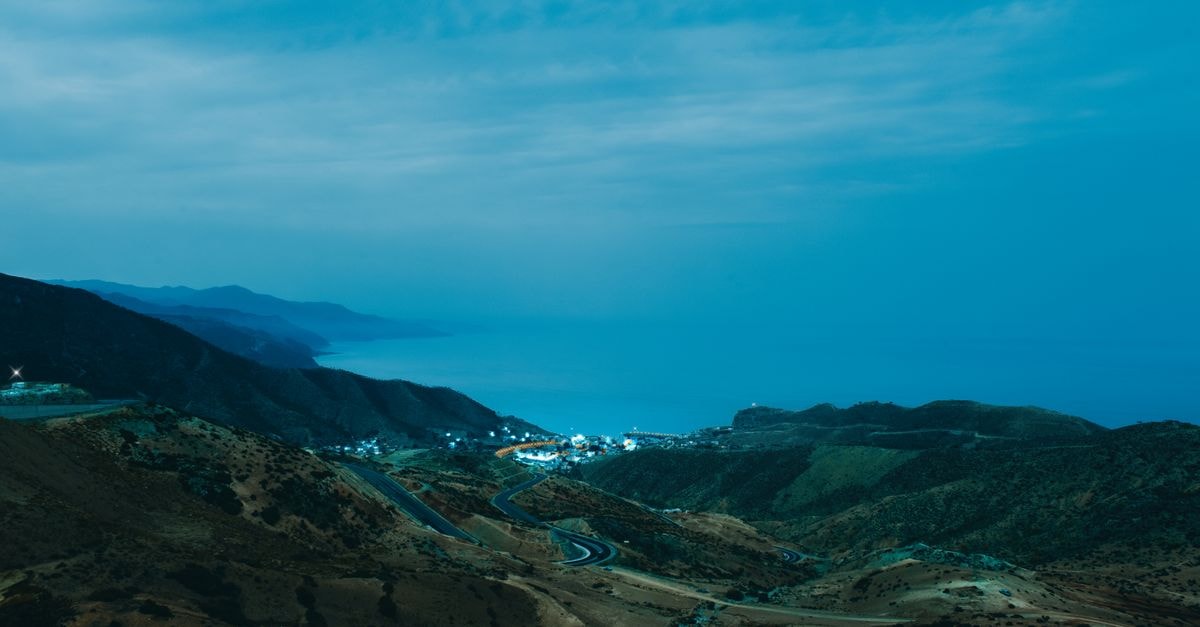
Mzuzu's altitude gives it a noticeably different feel from the lakeshore towns further south, and understanding that highland rhythm helps visitors pace their days. Some routes rise to broad vantage points with sweeping views toward distant ridgelines and, on clear days, the shimmer of Lake Malawi on the horizon, which means that early-morning and late-afternoon hours can reward visitors with the kind of soft light that turns even a short walk into a memory.
Forest circuits in Chikangawa provide contrasting shaded routes, where the terrain can be rooty and uneven but yields dense understorey birdlife and cool relief from midday sun. That combination of breezy ridges and cool forest shade is part of what makes the area around Mzuzu feel so distinct within Malawi. Travellers used to hot lowland climates should treat the highland conditions as a feature, not an obstacle: layers come in handy, a slower walking pace can feel more natural, and breaks under tree cover tend to be more refreshing than they would elsewhere. Because the evidence here is about general feel rather than specific temperature readings, it is worth checking a live forecast before committing to long outdoor days.
Getting around and planning your time
Mzuzu works well as a base for travellers who prefer to organise their own itinerary rather than follow a fixed tour. Standard activity-planning platforms can help you to experience the best that Mzuzu has to offer, and a list of the top sightseeing attractions, as well as unmissable activities, can be assembled through those booking tools. The city is compact enough that many points of interest can be reached on foot or by short rides, which is a relief for anyone wary of long transfers between stops.
For visitors who like to structure their days, it helps to cluster outdoor plans around the cooler parts of the day. The vantage points and ridgeline views reward early starts, while the shaded forest circuits offer a welcome change of pace once the sun is higher. Evenings in Mzuzu tend to be pleasant, and the city's role as a regional hub means that finding a place to eat or relax after a day outdoors is usually straightforward.
Local customs and cultural awareness
The cultural landscape is dominated by conservative Tumbuka customs alongside contemporary institutional frameworks, which together shape how public space is used and how visitors are expected to behave within it. Tumbuka traditions remain visible in everyday interactions, language, music, and ceremony, and travellers who take a little time to learn a few local greetings are usually warmly received in return.
Modest attire is required in public spaces, and clothing that exposes the area above the knee is viewed unfavorably within local markets and administrative zones. Practical dress choices, such as longer trousers or skirts and covered shoulders, help visitors move through markets, government offices, and church areas without awkwardness. This is not unique to Mzuzu and is a broader feature of public life across Malawi, but it is especially visible in a regional capital where market days and administrative queues bring a wide cross-section of the community together. Respecting these norms is one of the simplest ways to show appreciation for the local culture and to make daily interactions smoother.
A practical mindset for the visit
Mzuzu rewards travellers who arrive with a flexible plan rather than a rigid one. The city itself is easy to enjoy at a gentle pace, and the surrounding highland country adds a layer of natural scenery that is often unexpected for first-time visitors to Malawi. Booking platforms, regional connections, and the city's compact layout all support independent exploration, while conservative local customs ask for thoughtful dress and behaviour in return.
A few small habits go a long way here: starting outdoor activities early, planning shaded forest time for the warmer hours, keeping clothing modest for market and administrative visits, and leaving room in the schedule for the kind of unplanned conversation that often becomes the most memorable part of any trip. With those adjustments in mind, Mzuzu feels less like a stop on a map and more like a place that invites visitors to slow down and look around.
*Factual travel conditions can change over time, and details such as transport fares, market opening hours, and road access should be confirmed with local operators or official channels before departure. This guide is intended as a general orientation rather than a substitute for up-to-date on-the-ground information.*
Share this article
TOOLS FOR THIS PLAN
Make the Mzuzu plan measurable
Choose a tool only when it answers the next question in your trip. Your values stay in the browser, and each tool offers a route back to this planning context.