A First Glance at Kayes

Kayes sits in the western reaches of Mali, close to the Senegalese border, and carries the unhurried rhythm of a regional capital that has long linked the Sahel to the lands beyond. Travelers who arrive here tend to be the kind who like their cities generous rather than glossy, the sort who appreciate a place where the market, the river, and the conversation all happen at a slightly slower pace. Even a brief stay can feel rewarding when you lean into that tempo rather than trying to rush past it.
The city spreads along the banks of the Sénégal River, and that riverine setting gives Kayes a particular character. Mornings often arrive warm and bright, afternoons feel long and still, and the soft orange light that settles over the rooftops in the evening is one of the simple pleasures of being here. It is the kind of place where sitting on a terrace with a cold drink and watching daily life pass by counts as a perfectly good activity.
This guide focuses on what the available on-the-ground evidence actually supports: a clear sense of the climate feel, the currency you'll be using, and the practical matter of getting around. If a detail cannot be confirmed from the approved sources, it is left out rather than guessed at, so you can plan from a clean, honest baseline.
Weather and Seasonal Context
Kayes is known for a hot, dry Sahelian climate, and the city's weather shapes the rhythm of any visit more than almost anything else. The hottest month on record is May, when the average daily high reaches close to 43°C, while January tends to be the coolest part of the year, with nights that average around 18°C. Between those two bookends, the year runs through a long stretch of heat that, in everyday terms, can feel genuinely intense from late morning through the early afternoon.
What that means in practice is that pacing the day around the sun is not optional, it is the smart way to travel. Most of the city's movement happens early in the morning, eases into a long, quiet middle of the day, and then picks up again as the light softens. Visitors tend to get more out of Kayes when they treat the heat as part of the experience rather than something to fight, resting in the hottest hours, keeping exploration for the cooler edges of the day, and saving outdoor wandering for the gentler hours around dawn and dusk.
The dry, dusty feel of the air is part of the package too. Light, breathable clothing, a refillable bottle, and patience with the midday lull will all go a long way. None of this is unusual for the region, but it is worth arriving prepared for it rather than surprised by it.
Getting Around
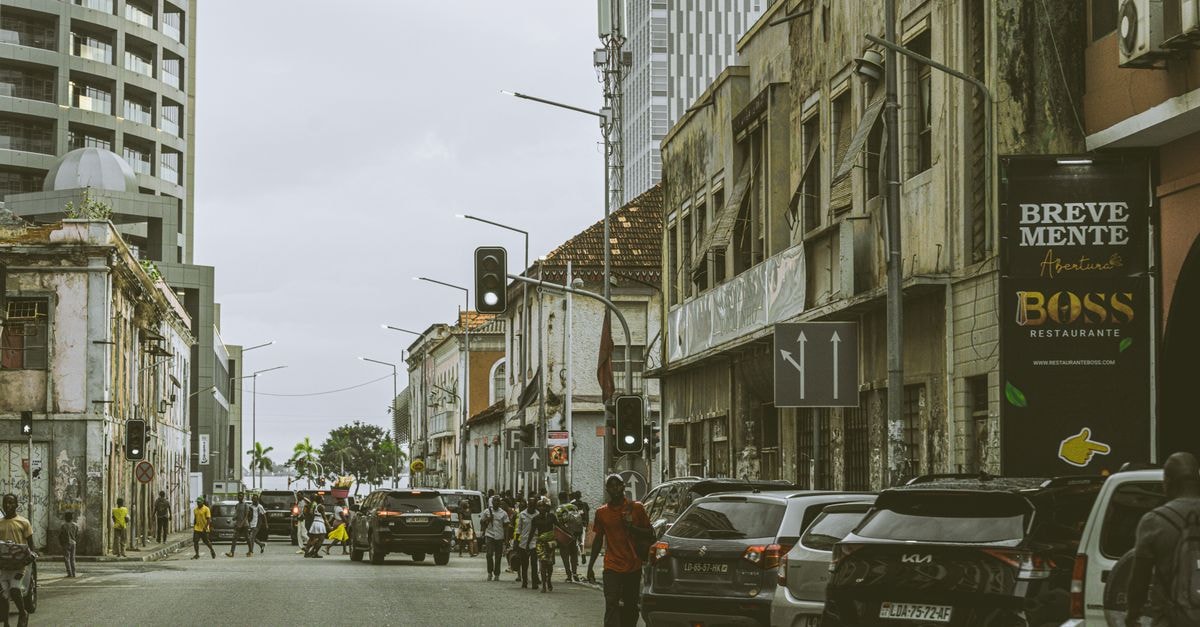
Kayes has a medium walkability rating, which is a useful honest signal: the central areas can be explored on foot, while some of the wider distances around the city are easier to handle with a ride. For a traveler, that usually translates into a comfortable mix of walking for the close-in sights and markets, and a taxi or motorbike for longer hops across town. Asking locally for the current price before setting off is simply part of how the city works.
The currency in circulation is the West African CFA franc, often written as XOF. Because Kayes sits in a currency zone shared with several neighboring countries, the franc is widely accepted and stable within the region. As always with travel money, it is worth treating any exchange figure you might see online as a reference point rather than a guarantee, and checking the live rate through a reputable source or your local bank before exchanging.
Water is one of those small but important details. Tap water in many West African cities is not the kind of thing travelers should drink straight from the faucet, and Kayes is no exception. Bottled water from familiar regional brands such as Diago or Kirène is the easy, safe everyday choice, and stocking a couple of liters at the start of the day quickly becomes habit. It keeps you comfortable, it keeps you hydrated in the heat, and it removes one of the small uncertainties that can otherwise nag at a trip.
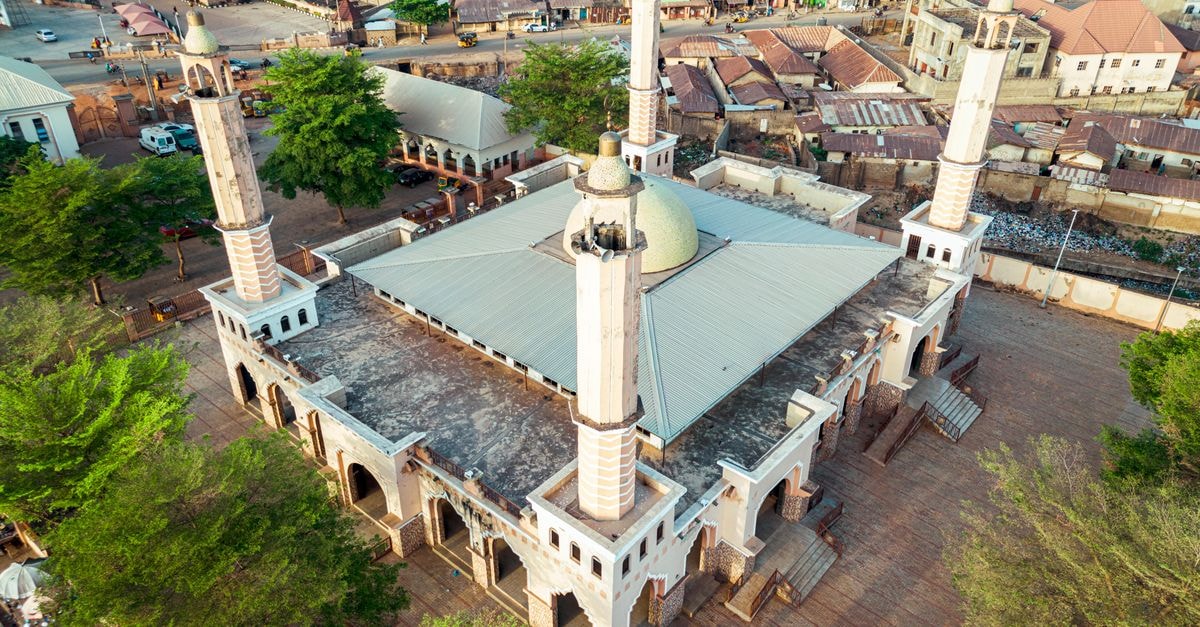
One historic landmark that often anchors a walk through the city is the Fort de Kayes, a historical fort that offers panoramic views over the surrounding area. It is the kind of stop that rewards unhurried visitors, partly for the vantage point and partly for the sense of scale it gives to the rest of the city below. Standing up there, with the river and the rooftops spread out in front of you, is one of the clearest ways to feel where you actually are.
A Slower Way to Travel Here
There is a particular pleasure in visiting a city like Kayes without trying to tick off a long list. The pace invites something more like wandering than sightseeing. A morning walk through the central streets, a pause at a shaded café, a slow climb up to the fort, and an evening spent simply watching the light change over the river can easily fill a satisfying day.
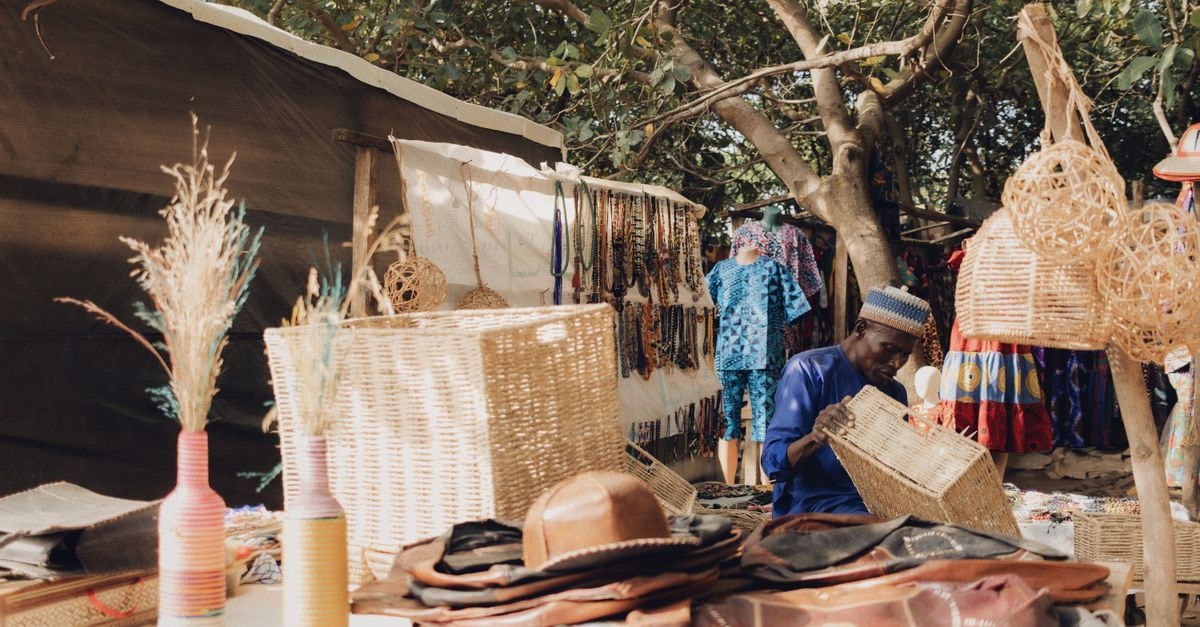
Travelers who enjoy connecting with the texture of a place, the markets, the small talk, the everyday choreography of a regional capital, tend to find their footing in Kayes quite quickly. The city does not demand a packed schedule; it rewards the kind of traveler who is happy to let the day unfold a little.
Practical Notes Before You Go
A few small reminders can smooth out a Kayes visit considerably. Carry small denominations of CFA francs for day-to-day spending, since smaller notes are easier to use in markets and for short rides. Keep your phone charged and your documentation close to hand, as you would in any unfamiliar regional capital. Approach water and food choices with a bit of care, leaning on bottled water from recognized brands and on cooked, hot meals when in doubt.
Because Kayes sits in a part of West Africa where conditions can shift, it is wise to check current travel advisories and local guidance from your government before finalizing plans, and again shortly before departure. Treat the practical notes in this guide as a starting point for that preparation rather than a substitute for it.
Final Thought
Kayes is not the kind of destination that needs a packed itinerary to justify the trip. A little planning around the heat, a clear sense of the local currency, a comfortable walking rhythm through the central areas, and the simple discipline of drinking bottled water are usually enough to unlock a genuinely rewarding stay. What remains is the easier part: showing up with a relaxed pace, an open mind, and the willingness to let a small Sahel city reveal itself at its own tempo.
Please note that travel conditions, advisories, and on-the-ground details can change over time, so always verify current information through official channels and reputable local sources before you travel.
Exchange rates shown are for reference only; check the current live exchange rate before departure.
Share this article
TOOLS FOR THIS PLAN
Make the Kayes plan measurable
Choose a tool only when it answers the next question in your trip. Your values stay in the browser, and each tool offers a route back to this planning context.