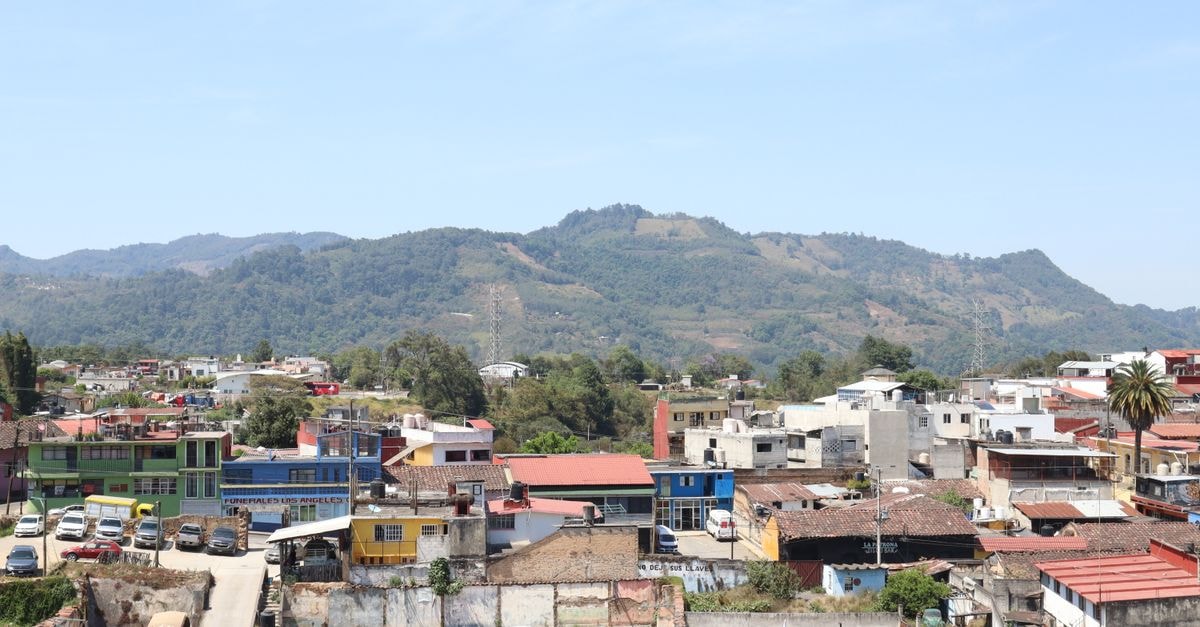
A riverside administrative town in southern Honduras

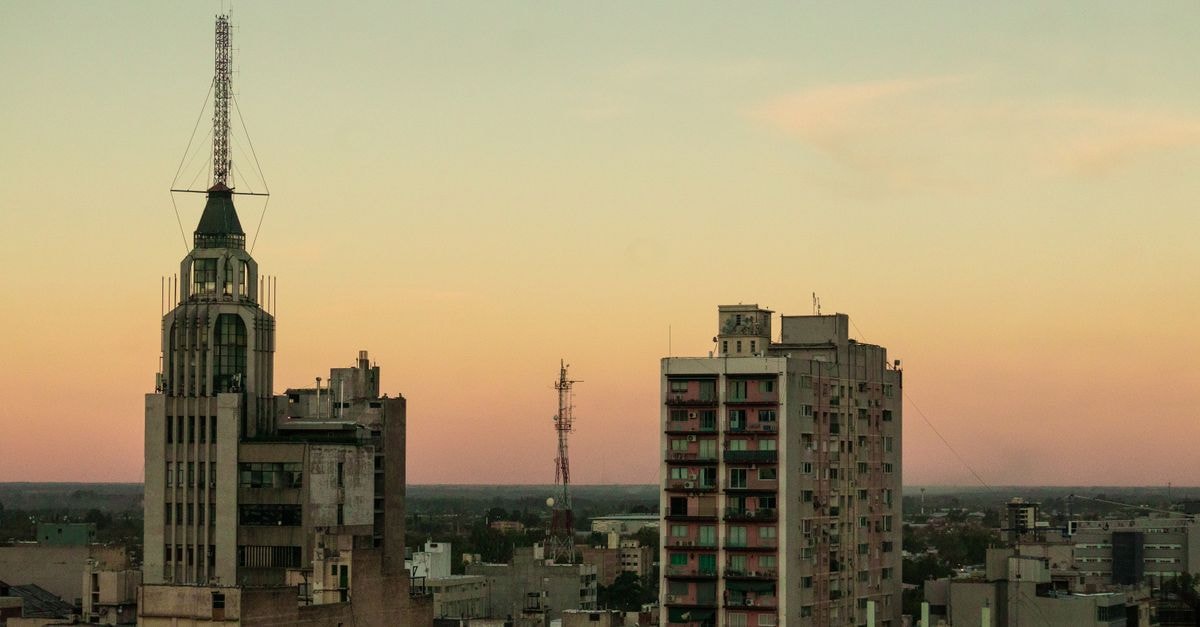
Nacaome sits in the Valle Department of southern Honduras, where it serves as the administrative center of the surrounding region. The town unfolds along the banks of the river that shares its name, and that geography gives the place an easy, unhurried character that feels distinctly Central American rather than resort-shaped. Travelers often pass through on the way to the El Amatillo border crossing or toward the Pacific coast, but the town itself rewards anyone who slows down for a closer look at local Honduran life. Its reputation as the “Bride of the Sun” hints at the strong sunlight and warm climate that define a day here, and at the way the town seems to open itself up to the daylight from early morning onward.
Weather and seasonal context
The climate here leans tropical, and the sunshine earns the city its nickname. Travelers can generally expect warm temperatures throughout the year, with daytime conditions that feel intense under direct sun. If you prefer milder walking weather, pacing the day for early-morning and late-afternoon exploration can make the heat more comfortable, while the midday hours suit a slow lunch or a shaded pause.
The town’s position near the Pan-American Highway also shapes how it feels to visit. Because Nacaome sits along a key overland corridor, the surrounding roads and routes tend to be well-established, which can be useful for travelers arranging their own transportation. The heat, the sunlight, and the highway proximity together create a setting that suits visitors who enjoy open landscapes, regional road trips, and the rhythm of a working provincial town rather than a polished tourist enclave.
Attractions and planning
For practical planning, the most useful approach is to treat Nacaome as a base for exploring the surrounding department rather than as a single-attraction stop. Travelers heading toward the El Amatillo border or toward the Pacific lowlands often find it a sensible waypoint precisely because it sits along an established route. Within the town, comfortable walking shoes, sun protection, and a flexible schedule tend to serve visitors well, given the warm climate and the spread-out feel of a regional capital.
Food and local context
Nacaome sits within a wider Honduran food culture, and travelers can expect the country’s blend of agricultural traditions and multicultural influences to shape what appears on local tables. Honduran cuisine draws on the country’s farming roots, with corn, beans, plantains, and fresh produce featuring prominently in everyday meals. That national character tends to come through clearly in provincial towns like Nacaome, where menus often lean toward familiar home-style preparations rather than restaurant-style reinvention.
A few wider cultural notes may help visitors feel oriented. Across Honduras, Spanish is the official language and the everyday language of conversation, so a few Spanish phrases can go a long way in shops, markets, and family-run eateries. The country’s broader cultural identity weaves together Maya heritage, Spanish colonial influences, and Caribbean warmth, and that blend tends to surface in the relaxed pace, the hospitality, and the way food is shared. Visitors curious about regional cooking may enjoy asking about seasonal local produce or daily specials, since small-town kitchens often change what they offer based on what is freshest.
Within Nacaome itself, choices tend to reflect what local families and travelers actually eat rather than a curated culinary scene. For travelers with specific dietary preferences, simple and direct conversation with restaurant staff or hosts usually works better than searching for niche menus, since the town’s offerings tend to follow traditional patterns.
Choosing what fits the trip
Nacaome suits travelers who are comfortable with warm tropical conditions and who enjoy seeing a town through its working rhythm rather than through a list of marquee sights. If your idea of a good trip includes passing through on a longer overland route, especially toward the border or the Pacific coast, the town’s position along the Pan-American Highway makes it a convenient and authentic stop. Travelers who prefer a slower pace, with time for the riverside setting and everyday street life, may find the most to enjoy here.
If intense daytime heat is a concern, consider shaping activities around the cooler parts of the day and leaving the middle hours for rest, a long meal, or time indoors. Travelers who rely on English-only communication may also want to brush up on basic Spanish, since the everyday language across Honduras is Spanish. Those who arrive expecting a polished resort atmosphere may want to recalibrate their expectations, because the appeal of Nacaome is precisely its character as a lived-in regional capital.
Prices, opening hours, schedules, reservation rules, and local conditions can change; verify them through official channels before departure.
Share this article
TOOLS FOR THIS PLAN
Make the Nacaome plan measurable
Choose a tool only when it answers the next question in your trip. Your values stay in the browser, and each tool offers a route back to this planning context.