A warm first impression of Nakuru

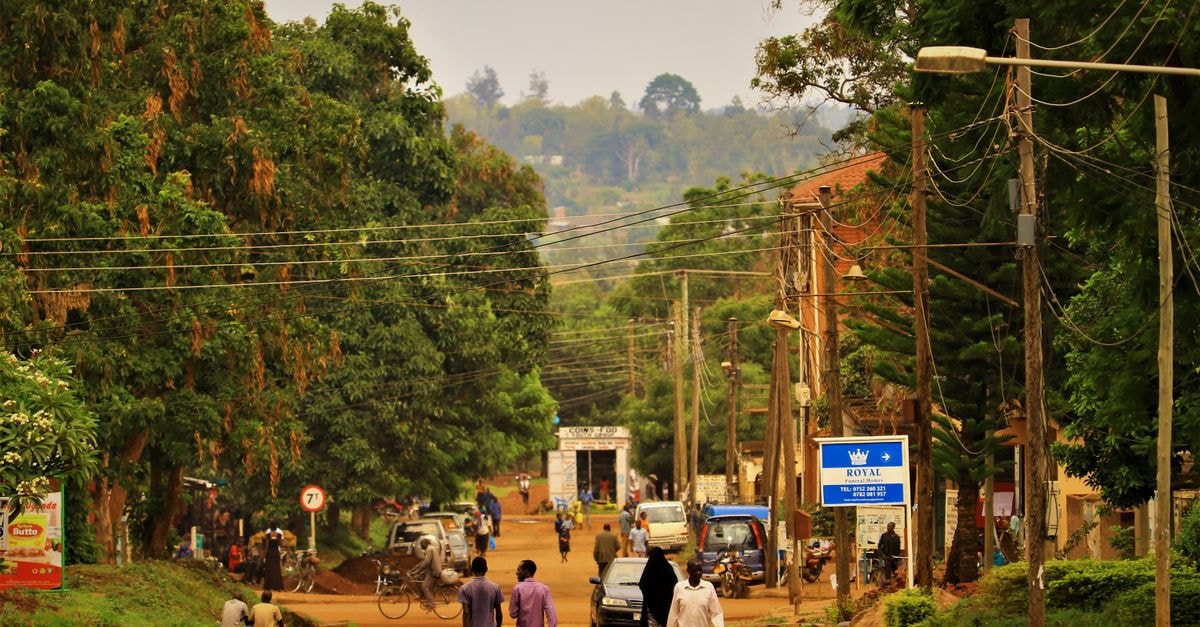
Nakuru sits in Kenya's Rift Valley like a leafy pause between busier travel circuits, and the city has the unhurried feel of a place where you can settle in for a few days rather than rush through. The skyline is softened by greenery, the pace inside the main commercial area is walkable, and conversations over meals tend to stretch into the afternoon. For travelers who like a base that mixes everyday Kenyan life with a few proper sightseeing stops, the city offers a quietly rewarding introduction.
This guide leans on what is genuinely useful for a first visit: how to get around without overthinking it, where to point your curiosity inside the city itself, and what is on the plate once you sit down to eat. The aim is practical, grounded, and free of hype, written for travelers who want to feel oriented before they arrive.
Getting around
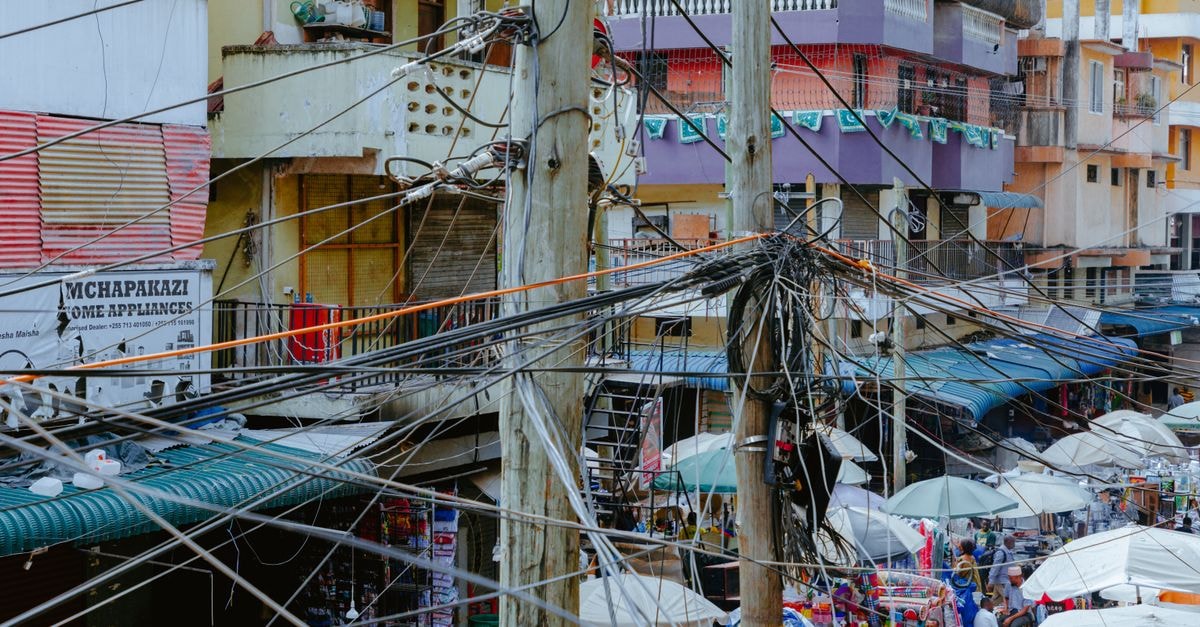
Within the main commercial area of Nakuru, walking is genuinely feasible during the day. Distances between shops, cafes, and small offices are short, and the streets are pedestrian-friendly enough to make a slow wander part of the rhythm of a visit. Walking also lets you notice the small things: the colors of the storefronts, the smell of charcoal grills, the way the light sits on the trees.
If you would like more independence, car rental is an option through local agencies, which gives you the freedom to set your own pace without depending on schedules. A simple routine that works well within Nakuru is to walk the central streets on foot and hop a matatu for longer crossings between the central commercial area and nearby towns.
Attractions and planning
Nakuru has a cluster of genuinely interesting stops, and a thoughtful first visit does not need to spread itself thin. The city itself holds cultural and historical depth, and you can build a satisfying day or two without venturing far.
The Hyrax Hill Museum & Prehistoric Site is a standout for travelers curious about early human settlement in the Rift Valley. The archaeological site has a small museum on the grounds where you can learn about prehistoric tools and the lives of communities who lived in this part of Kenya long before modern Nakuru took shape. Entry sits in the KES 100–500 range, which makes it an easy add to a day of lighter sightseeing. Allow a relaxed morning or early afternoon so you can read the displays at your own pace and walk the site without rushing.
Nakuru also serves as a natural jumping-off point for the wider Nakuru County, and a few travelers use their time in the city to plan day visits to surrounding attractions that stretch from Naivasha to Njoro. Because this guide keeps its focus on the city itself, it is worth mentioning only as orientation: the broader county has plenty to fill a longer trip, and the city is a comfortable base from which to plan those extensions if your itinerary allows.
When you build your own plan, a useful frame is to dedicate one full day to cultural and historical stops inside Nakuru, leave a second day open for slower wandering through the commercial area, and save energy for the evenings, when the city has a softer, more social feel.
Food and local context
Eating in Nakuru is one of the easier pleasures of a visit, and the food scene rewards travelers who lean into what is genuinely local rather than searching for imported menus. Fresh lake fish, especially tilapia drawn from nearby lakes, is a recurring feature of the city's food landscape. It tends to show up grilled, fried, or stewed, and pairs naturally with the starches that anchor most Kenyan meals.
Two dishes you are likely to encounter across Nakuru are ugali and sukuma wiki. Ugali is a stiff maize flour porridge that acts almost like an edible spoon, torn off in small pieces and used to scoop up stews, vegetables, and saucy fish dishes. Sukuma wiki, a leafy green similar to collards or kale, is typically sautéed with onion and tomato and served alongside ugali. Together they form one of the most recognizable everyday meals in Kenya, and trying them in Nakuru is less about ceremony and more about joining the rhythm of local life.
Putting it together
Nakuru is a city that rewards a slower style of travel. Walk the central streets in the morning, visit the Hyrax Hill Museum & Prehistoric Site when your energy is fresh, and settle into a long lunch built around tilapia, ugali, and sukuma wiki. Use matatus for longer hops within the city and to nearby towns, and let the commercial area's pedestrian-friendly pace set the tone for your days.
Because details such as opening hours, transport schedules, and entry fees can change, treat this guide as orientation rather than a fixed timetable. Check official channels or your accommodation before heading out, especially for current rates at the museum and the latest matatu routes. A little flexibility tends to make a Nakuru visit feel more like a stay and less like a checklist.
Factual travel conditions can change at any time, and readers should verify current details through official channels before departure.
Share this article
TOOLS FOR THIS PLAN
Make the Nakuru plan measurable
Choose a tool only when it answers the next question in your trip. Your values stay in the browser, and each tool offers a route back to this planning context.