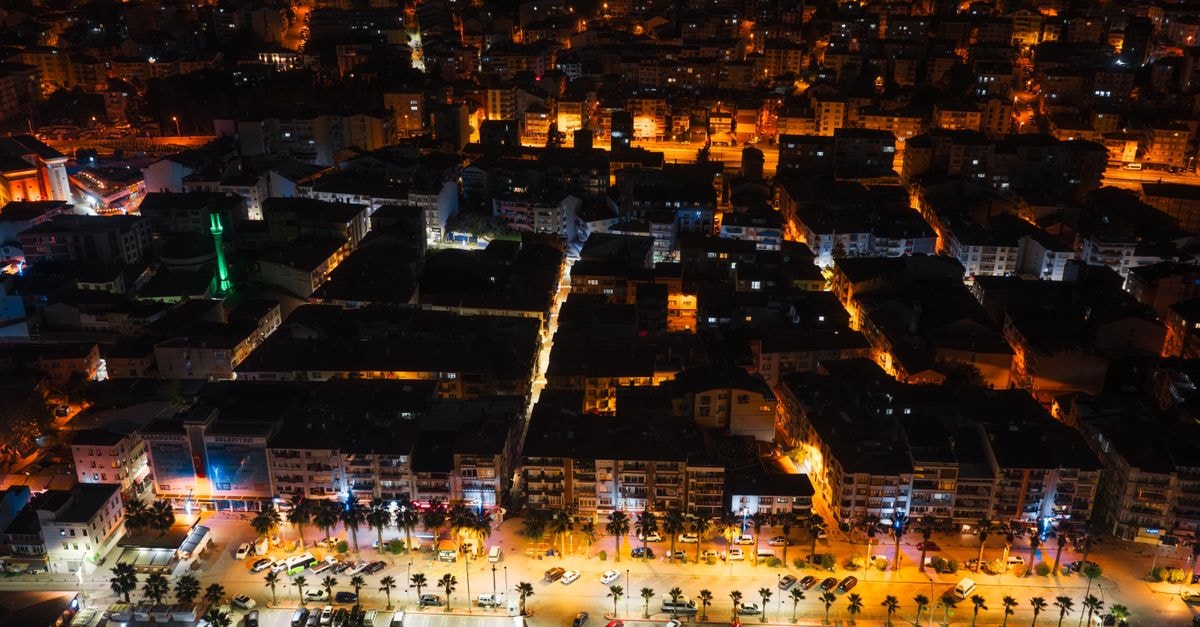
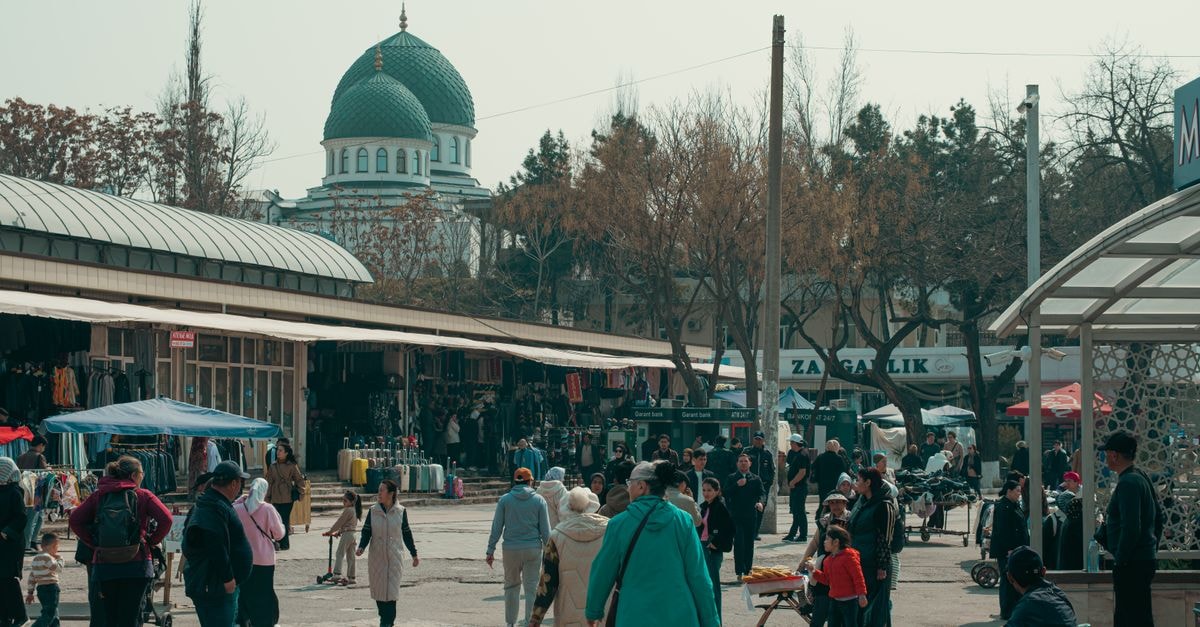
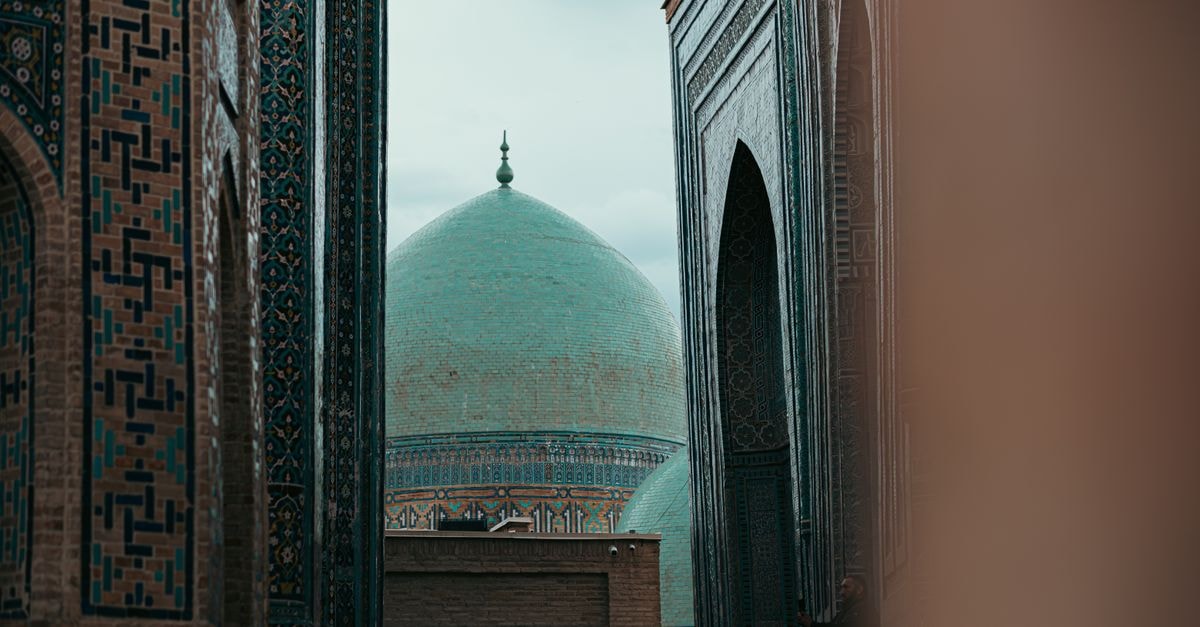
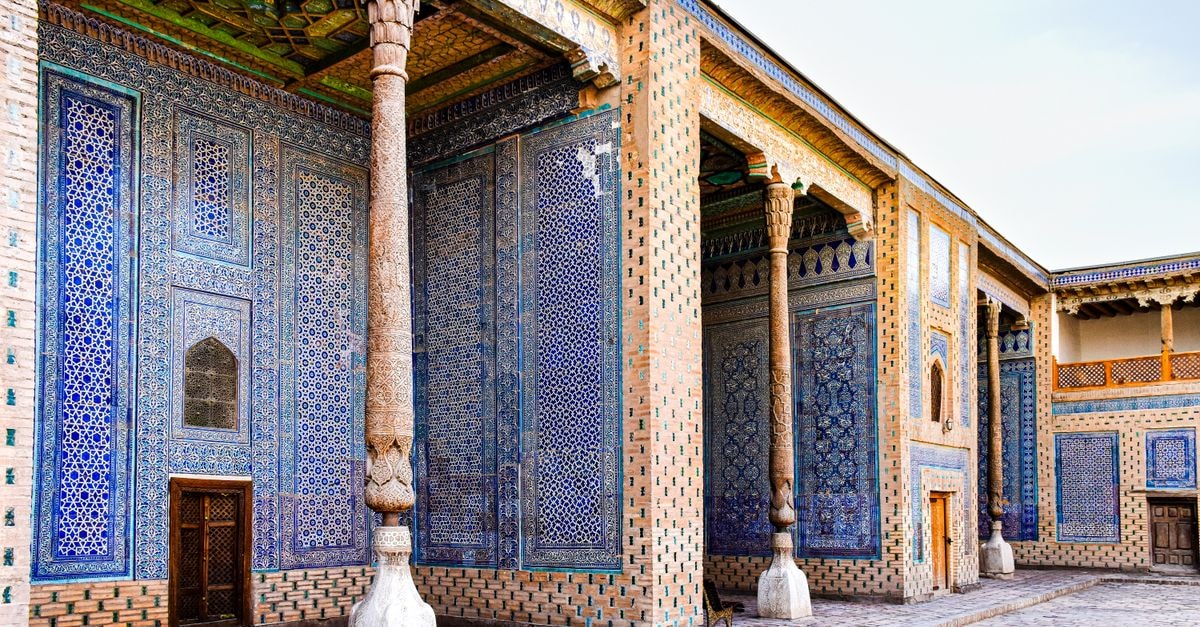
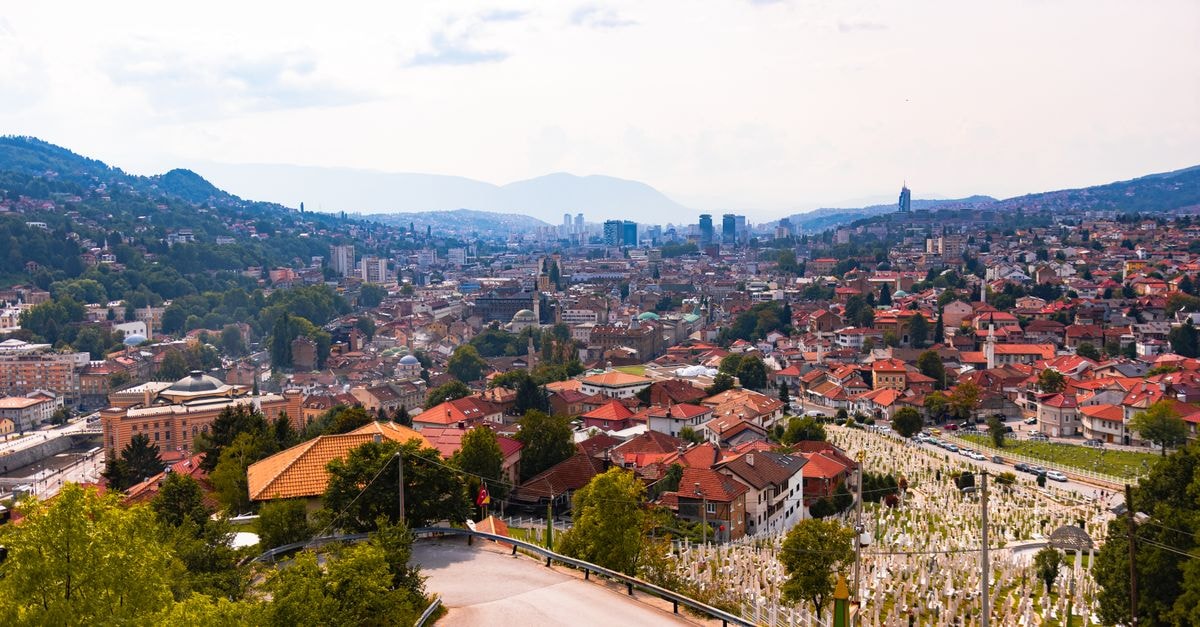
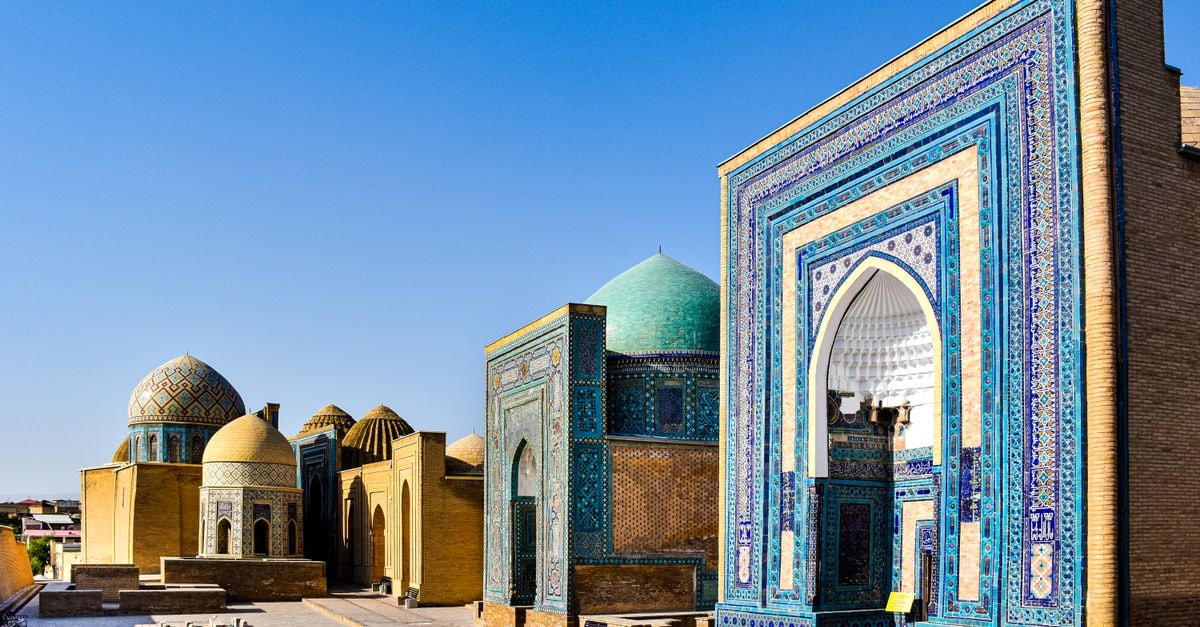
Tucked into the western edge of Uzbekistan, Namangan feels like the kind of city that rewards unhurried travelers. It is not a place of sweeping monuments or famous landmarks splashed across postcards; instead, it offers something gentler, a chance to step into regional Uzbek life, sample produce-forward cooking shaped by the valley's agricultural wealth, and spend a thoughtful afternoon in a museum that traces the area's long history. For travelers who like to slow down, ask questions, and let a destination reveal itself through small details rather than big-ticket sights, Namangan has a quiet appeal that grows the longer you stay.

Getting around
Namangan is served by Namangan Airport, identified by the IATA code NMA and the ICAO code UTKN, sitting at an elevation noted in the airport reference. The airport is located 12 kilometers from the city center, which makes the transfer into town relatively short and straightforward. Travelers flying in can typically expect a manageable ride rather than a long haul, which is useful for anyone arriving with luggage or arriving later in the day and wanting to settle in without delay. Because the airport sits within western Uzbekistan and operates on a UTC+5 offset, planning connections and onward transfers can be done with a simple time-zone check from home.
For travelers who prefer to minimize hassle on arrival, the short distance between the airport and the center may suit anyone who wants to skip elaborate transfer planning and get straight into the rhythm of the city. If you prefer a smoother first evening after a flight, consider pre-arranging your ground transport so the 12-kilometer hop into town is the simplest part of your day.
Attractions and planning
For a city of its size, Namangan has a surprisingly rich regional museum worth prioritizing. The Namangan Regional Museum sits in the heart of the region and is described as a treasure trove of cultural and historical artifacts that showcases the heritage of this part of Uzbekistan. For visitors interested in context, the museum offers a structured introduction to the area before wandering into the city itself, which can make the rest of a stay feel more grounded.
Planning when to spend time at the museum can shape how much you enjoy it. One useful framing from the available travel guidance suggests that the spring and autumn months tend to be especially pleasant for museum visits in this region. A visitor who prefers comfortable walking conditions between indoor and outdoor stops may find that aligning museum time with these transitional seasons makes for an easier day overall, leaving hotter midday hours for shaded exhibits and cooler moments for the surrounding streets.
If you enjoy layering a trip with cultural context before exploring independently, the museum may suit travelers who like to anchor a new city in its history first. Consider pairing your museum visit with a relaxed afternoon so you have time to read the exhibits without rushing and then step back outside into the city with a clearer sense of place.
Food and local context
Namangan's food culture is shaped by its setting in a fertile valley, where the surrounding agricultural land and a long history of cultural exchange along the valley have left a clear mark on local dishes. The region's cooking emphasizes specific regional produce, which means menus tend to lean on what is grown nearby rather than imported ingredients. This valley-rooted approach gives Namangan a flavor identity that is distinctly its own, even when dishes share names with broader Uzbek cuisine elsewhere in the country.
Because Namangan's own dishes draw heavily on local produce, the seasonal rhythm of the valley can subtly shape what shows up on the table, with fruits, vegetables, and grains taking turns in the spotlight throughout the year.
For travelers who care about eating with a sense of place, Namangan may suit anyone who enjoys letting regional agriculture guide their meals. Consider asking locally about what is currently being harvested or what produce a given restaurant is known for using, as this is often the quickest way to understand how the valley's bounty translates into the dishes in front of you.
Choosing what fits your trip
Namangan suits travelers who prefer depth over checklist sightseeing, who enjoy regional food rooted in agriculture, and who appreciate a short, easy transfer on arrival. The museum is the strongest cultural anchor, while the surrounding valley's produce quietly shapes meals throughout the stay. Visitors who like to pair a meaningful indoor stop with unhurried meals and simple logistics will likely feel at home here.
A note before you go
Travel conditions in any city can change, and details such as transport options, opening hours, and local services are worth confirming through official channels before and during your trip. Treat this guide as a starting point for shaping your visit, then check current information closer to your departure so your plans reflect the Namangan you actually arrive in.
Share this article
TOOLS FOR THIS PLAN
Make the Namangan plan measurable
Choose a tool only when it answers the next question in your trip. Your values stay in the browser, and each tool offers a route back to this planning context.