A First Look at Andijan

Tucked into the eastern edge of the Fergana Valley, Andijan has a quieter reputation than Samarkand or Bukhara, and that is part of its pull. The city reads more like a lived-in Uzbek hub than a museum town: leafy parks, a central bazaar that locals actually use, and a short list of heritage buildings that reward a curious visitor without demanding a long itinerary. As the regional capital of the Andijan Region, it sits among the smaller cities that round out a fuller Uzbekistan trip, and it offers a useful change of pace if you have already spent time in the headline Silk Road destinations.
This guide leans on the facts that hold up at any time of year: how to move around a landlocked city, where to slow down and look around, and what kind of food and tea culture you will find at the bazaar and beyond. Because the core details around entry requirements, opening hours and prices tend to change, treat anything specific you read elsewhere as a starting point and confirm with official channels before you travel.
Getting Around
Andijan is a landlocked city, so think buses, shared cars, taxis and your own two feet rather than ferries or river boats. In practical terms, the city center is compact enough that you can pair short rides with walks between landmarks, especially around the main park and bazaar areas. For travelers who like to keep transport simple, this works well: a taxi for the airport transfer or the longer hops, and walking for everything inside the central ring.
If you are arriving from another Uzbek city, the most common pattern is to fly or drive into the region and then sort out local transport on arrival rather than booking intercity rides far in advance. Once in Andijan, plan on a mix of short taxi rides and walking rather than a complicated multi-modal setup. Travelers who prefer door-to-door convenience over public transit will find taxis easy to arrange, while those who enjoy observing daily life at street level will get more out of simply strolling between stops.
Attractions and Planning
The two anchoring landmarks for most visitors are Babur Park and the old Akhmadbekkhodji Hotel. Babur Park, officially named after Zakhiriddin Muhammad Bobur, is described locally as a great place for walking and photography, which fits the way Andijan travelers tend to use it: as a green pause in the middle of the day, a sunset stop, or a gentle morning loop before the bazaar gets busy. If you prefer slow travel with room for a camera, this park is a natural anchor.
Just nearby, the old Akhmadbekkhodji Hotel sits on the eastern side of the Alisher Navoi Park of Culture and Rest. Even if you are not staying there, the building is worth a look as a piece of the city's older streetscape, and it gives you a second park to combine with Babur Park if you want a relaxed half-day of greenery and architecture without rushing.
When you plan your time in Andijan, keep the city's role as a regional hub in mind. It is connected into a wider network of Uzbekistan cities such as Tashkent, Samarkand, Bukhara, Khiva, Ferghana and Namangan, and tourism across the country spans categories from cultural and literary to agro-, eco- and gastro-tourism. That national context matters less as a checklist and more as a reminder that Andijan sits inside a varied country where each city offers a different texture. If your trip is built around culture and literature, the Bobur connection here adds a small but meaningful layer. If your trip leans toward gastro-tourism or everyday bazaar life, the food section below pairs naturally with a slow morning in Babur Park.
Food and Local Context
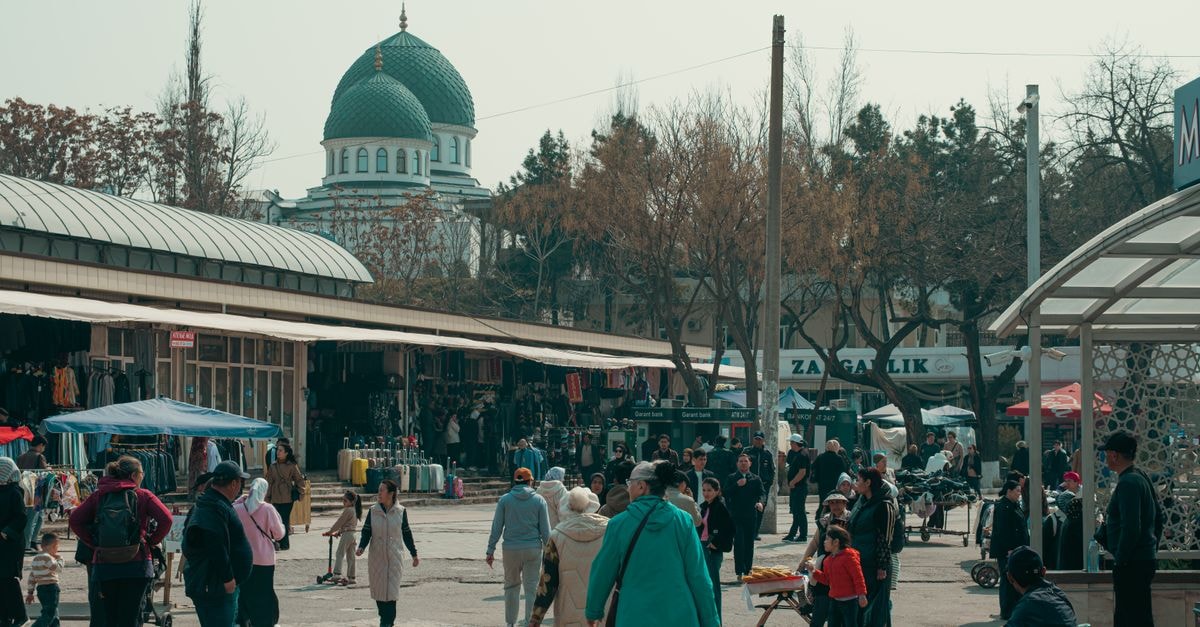
Food in Andijan is shaped by the same bazaar-and-teahouse rhythm you will find across Uzbekistan, with local flavor coming from how those pieces fit together in this city. A typical visitor pattern runs something like this: arrive, settle in, then point your afternoon toward the central bazaar for a first taste of street food and a glass of the local lemonad, and end the day in a chaihona, or traditional teahouse, where the pace slows and the tea does the talking. The bazaar is also a practical stop for picking up fruit, bread and snacks if you are stocking a hotel room or a day bag.
The wider Uzbek food culture that visitors meet in Andijan tends to feature plov, lagman, samsa, fresh bread and strong green tea, often served in generous portions designed for sharing. None of this needs a reservation or a fixed plan: part of the pleasure is walking in, looking at what is on the tray that day, and letting the people behind the counter steer you. If you enjoy market culture, give yourself at least an unhurried hour at the bazaar rather than treating it as a photo stop on the way to the next sight.
Before you travel, remember that entry rules for Uzbekistan depend on your nationality and change often, so always confirm the current requirements with the official Uzbekistan government or your nearest embassy. The same goes for anything involving money or payments, since card acceptance and cash norms can shift between cities and seasons. Treat those details as something to verify rather than assume, and your plans will hold up much better on the ground.
Choosing What Fits Your Trip
Andijan rewards travelers who want a slower base in the Fergana Valley rather than a checklist of headline sights. If you enjoy pairing parks with photography and like the idea of an afternoon that moves from green space to bazaar to teahouse, the Babur Park and Akhmadbekkhodji pairing gives you a compact, walkable core. If your interests lean toward literature, the Bobur connection adds a quiet theme to layer onto the visit. If your priority is food and everyday local life, plan a slow morning at the bazaar and a long evening in a chaihona rather than packing in extra sights. Travelers who prefer big-museum cities or a Silk Road grand tour may want to treat Andijan as a complement to Samarkand, Bukhara or Ferghana rather than a standalone anchor.
Before You Go
A few practical reminders before you pack: confirm your entry requirements with official Uzbekistan channels, double-check the current local rules around payments and cash, and leave room in your schedule for the bazaar and a teahouse stop. Factual travel conditions can change, and official sources should be checked again before departure so that your plan reflects the latest rules on the ground.
Share this article
TOOLS FOR THIS PLAN
Make the Andijan plan measurable
Choose a tool only when it answers the next question in your trip. Your values stay in the browser, and each tool offers a route back to this planning context.