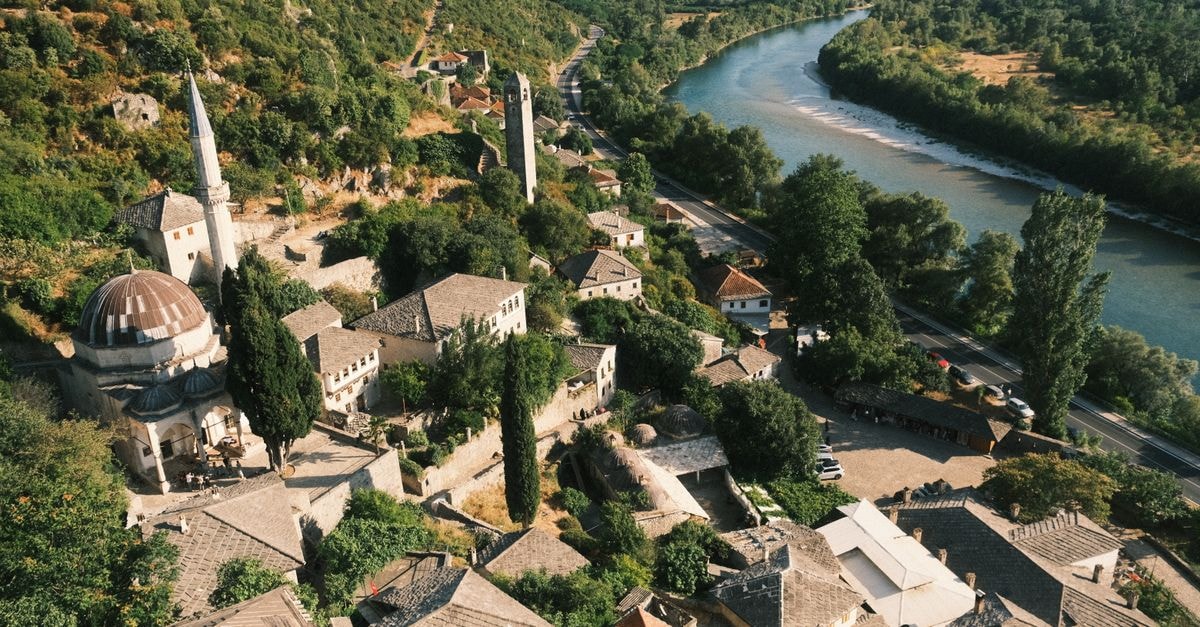
The slow pull of the Loire in Nantes

There is a particular kind of city where a river feels less like a backdrop and more like a character in the story, and Nantes wears its river that way. The Loire has shaped how the city traded, what landed on its tables, and how the streets connect, so a visit here tends to read like a conversation between water, stone and green space rather than a checklist of big-ticket sights.
This guide keeps things grounded in what the approved sources actually say: a curated set of in-city attractions, including one of France's remarkable gardens and a museum devoted to a beloved local-born author, alongside a look at how Nantes' food culture has been shaped by its river and its history. If you are mapping a trip and want a clear sense of what is here and what the place tastes like, the rest of the guide walks through both, in that order.
Attractions and planning
The Loire is described in the approved sources as Nantes' lifeblood, the reason trade and industry took root here in the first place. That framing is useful when you think about how to move through the city: most of the anchors below are clustered in walkable, river-aware territory, and a single visitor pass can quietly tie them together.
A few practical threads to keep in mind:
- **One pass, many doors.** The approved sources describe the Nantes City Card as offering free admission to 30 top attractions and free public transport, framed as a tip rather than a guaranteed current offer. If you are a traveler who likes the idea of unlocking several sites without queuing at each ticket desk or fumbling for change on a tram, this kind of pass may suit the way you like to explore a city in a relaxed, door-by-door rhythm. - **Riverside orientation.** Because the Loire is the city's connective tissue, attractions tend to line up along its banks and the surrounding historic core, which makes it easier to plan on-foot mornings and reserve energy for longer indoor stops later in the day.
For green space, the Jardin des Plantes is a standout. It is classified as one of France's remarkable gardens, and packs around 10,000 plant species across roughly seven hectares. For travelers who like to balance sightseeing with quiet time, a slow loop here can be a way to slow the pace of a busy day without leaving the center of the city.
For storytelling and literary heritage, the Musée Jules Verne is a natural fit if a love of his books is part of why you came. The approved source frames it as a near-mandatory stop for fans of his writing, and given that Nantes is his birthplace, it doubles as a way to connect the city to one of its most famous creative figures.
On the lodging side, the approved source highlights a small shortlist of central places: Hotel Voltaire Opera Nantes Centre, near the Théâtre Graslin; SOZO Hotel, set in a 19th-century chapel; and L'Hotel, a central option with views toward the castle. Travelers who want to be within easy walking distance of theaters, the historic core and the river may find these central locations convenient, and a chapel-conversion stay can be appealing if atmospheric architecture matters more to you than a standardized room.
Food and local context
Nantes' food culture reads like a layered conversation. One approved source describes the city's culinary identity as a three-way split: the pragmatism of a medieval fishing village where everything gets used, the 18th-century excess that came with Caribbean sugar fortunes, and a more modern Loire Valley restraint that lets ingredients speak for themselves. That combination is what gives the city its particular rhythm at the table, generous but not showy, rooted in place rather than trend.
A useful way to think about eating in Nantes is to let the river set the menu. Fish-forward plates lean into the Loire and Atlantic connection, sweet traditions echo the city's sugar-trade past, and contemporary kitchens tend to keep the spotlight on regional produce. If you prefer your travel meals to feel connected to where you are, that progression from heritage dishes to lighter, ingredient-led cooking is a natural arc to follow across a stay.
Because the approved sources do not name specific restaurants, markets, dishes or menus in Nantes, any particular place to eat, neighborhood bistro or named specialty is not covered in this guide. It is worth checking local listings closer to your trip for current openings, hours and reservations.
Choosing what fits your trip
A few tradeoffs may help you shape the day around your own travel style.
If gardens and outdoor time are central to how you like to travel, the Jardin des Plantes is a strong anchor and pairs naturally with a slower walking day along the river rather than a packed museum schedule. If your interest is more literary or historical, the Musée Jules Verne fits well into a shorter, focused route that can be combined with a central hotel near the castle or the Théâtre Graslin area.
Travelers who prefer fewer transactions and a single card to unlock a city may find the Nantes City Card a natural fit, especially if you plan to mix several paid sites with tram rides. Travelers who prefer to pay site by site and keep plans flexible can simply ignore the pass and still see the same anchors.
If atmospheric places to stay matter to you more than a standard room, the chapel-conversion option offers a distinctive setting. If convenience and a familiar room setup matter more, the central hotels near the theater or castle areas keep you close to most of what is in this guide.
On the food side, those who enjoy tracing a city's history through its kitchens will find Nantes especially rewarding, since the river, the sugar-trade past and Loire Valley produce all leave traces on the plate. Travelers who simply want a good meal without the context will still eat well, but the layered background is part of what makes the city feel distinct.
A note before you go
Factual travel details can change, so it is worth checking official channels for current opening hours, ticket prices, transit updates and any temporary closures before and during your trip. The approved sources do not include weather, transport schedules, ticket prices or current conditions, so this guide stays focused on what they do confirm about Nantes' attractions and food culture.
Share this article
TOOLS FOR THIS PLAN
Make the Nantes plan measurable
Choose a tool only when it answers the next question in your trip. Your values stay in the browser, and each tool offers a route back to this planning context.