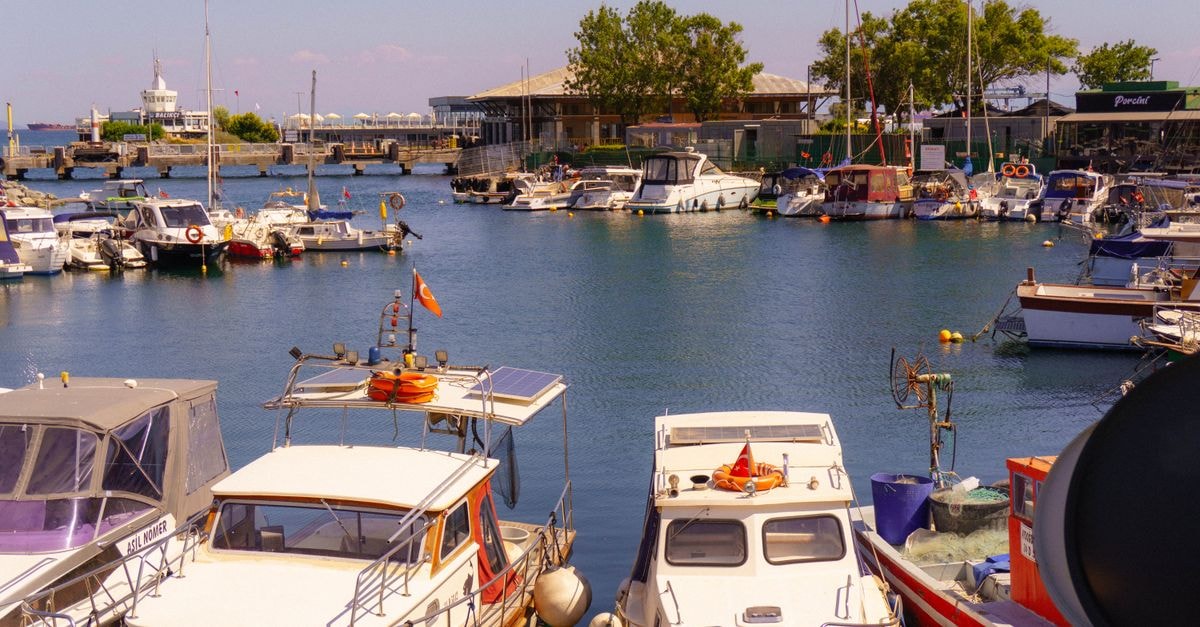
A gentle entry to the Jiangsu coast

Nantong sits along the eastern edge of Jiangsu province, where the Yangtze River meets the Yellow Sea. It carries the unhurried character of a working coastal city, with wide river views, leafy streets, and a pace that often feels closer to a small town than to the dense urban centers travelers may be more familiar with elsewhere in the Yangtze Delta. For visitors arriving from Shanghai or elsewhere in the region, it can read as a soft pause: enough everyday life to feel real, and enough breathing room to settle in without a packed schedule.
This guide focuses on the two pieces of a Nantong visit that benefit most from a little forethought: how you move through the city, and how you approach a table when you sit down to eat. Together, they shape the texture of a trip far more than any single landmark does.
Getting around
Nantong rewards travelers who start the day on the early side. A short note tied to one popular 2026 attraction listing advises arriving before 8 AM to avoid crowds, and that early-window habit is useful beyond any single sight. Mornings tend to feel calmer across riverfront parks, older neighborhoods, and the busier public squares; locals are out walking and commuting, light is softer, and queues at popular spots, where they exist, are shorter. If you prefer a quieter rhythm or want photographs without dense backgrounds, building the first hour of your day around that window is an evergreen habit worth keeping.
Public transport, walking, and short taxi rides are the practical backbone of getting around. The city's grid along the river is forgiving on foot, and distances between the main residential, commercial, and waterfront areas are usually manageable without a car. Keep in mind that the early-morning timing advice is a general rhythm, not a guarantee: any specific attraction's current hours, ticket rules, or crowd patterns should be checked through official channels before you set out, especially if your day depends on a single site opening on time.
One small adjustment helps the morning window work well: pick a sensible start point the night before, decide whether you want river views or older streets first, and leave a little slack for the kind of spontaneous stop that makes a coastal city trip memorable. Travelers who dislike heavy crowds may find this approach more relaxing than a midday push.
Food and local context
Food in China is famously central to daily life, and Nantong, like much of Jiangsu, sits inside a country whose people love to eat and whose cuisines are among the most varied in the world. That wider context is worth carrying with you before your first meal, because it reframes what looks like a simple lunch into something closer to a cultural habit.
China has a long history of ritual and etiquette around the table, and dining etiquette has developed to a high degree over many centuries. Visitors to Nantong will notice the same nationwide customs that shape meals across the country: shared dishes placed in the center, tea served hot and often, the host urging more food as a sign of welcome, and a relaxed rhythm of conversation between bites. Customs and etiquette in Chinese dining are the traditional behaviors observed while eating in Greater China, and they show up in everyday restaurants here much as they do elsewhere.
A few small habits can make a meal feel smoother. Wait for the host or the eldest person at the table to take the first bite when you are a guest, especially in a more formal setting. Chopsticks are usually rested across the bowl or on the chopstick holder rather than stuck upright in the rice. Soup spoons are common, and rice may be eaten last or alongside other dishes rather than as a separate course. None of this is strict for travelers; it is the soft etiquette visitors are most likely to encounter in everyday restaurants.
Because Nantong sits on the river and the sea, the kitchens here lean into seafood and freshwater catch in ways that may not be obvious from a menu written only in characters you can read. Asking a server, a hotel receptionist, or a shopkeeper for a local recommendation is a reasonable approach, and it pairs naturally with the broader Chinese habit of treating meals as a social event rather than a quick refuel. If you prefer a slower meal, expect to linger; if you prefer efficiency, most places will happily box leftovers and move at your pace.
Choosing what fits your trip
The two practical threads in this guide point in the same direction: give yourself margin. An early start protects you from the busiest hours at popular spots and leaves room for the kind of unhurried riverfront wandering that Nantong invites, and a relaxed approach to the table lets you settle into the broader Chinese habit of long, social meals rather than racing through them. Travelers who enjoy gardens, harbor views, and slow morning walks will find both choices easy to live with. If you would rather sleep in and eat late, consider shifting outdoor sightseeing toward the later afternoon when foot traffic typically thins, and save indoor stops for midday. The city does not require a fixed pace, only a little flexibility.
A note before you go
Factual travel conditions, including opening hours, ticket availability, and local services in Nantong, can change at any time. Treat the guidance here as a starting frame, and verify details through official channels, hotel front desks, or current transport apps before you set out on the day. Currency exchange rates fluctuate, so any reference figure you see should be checked against the live rate on the day you change money.
For unresolved essentials such as the exact opening time of a specific attraction you plan to visit, or whether a particular restaurant takes cards or mobile pay, ask locally on arrival rather than relying on outdated information.
Share this article
TOOLS FOR THIS PLAN
Make the Nantong plan measurable
Choose a tool only when it answers the next question in your trip. Your values stay in the browser, and each tool offers a route back to this planning context.