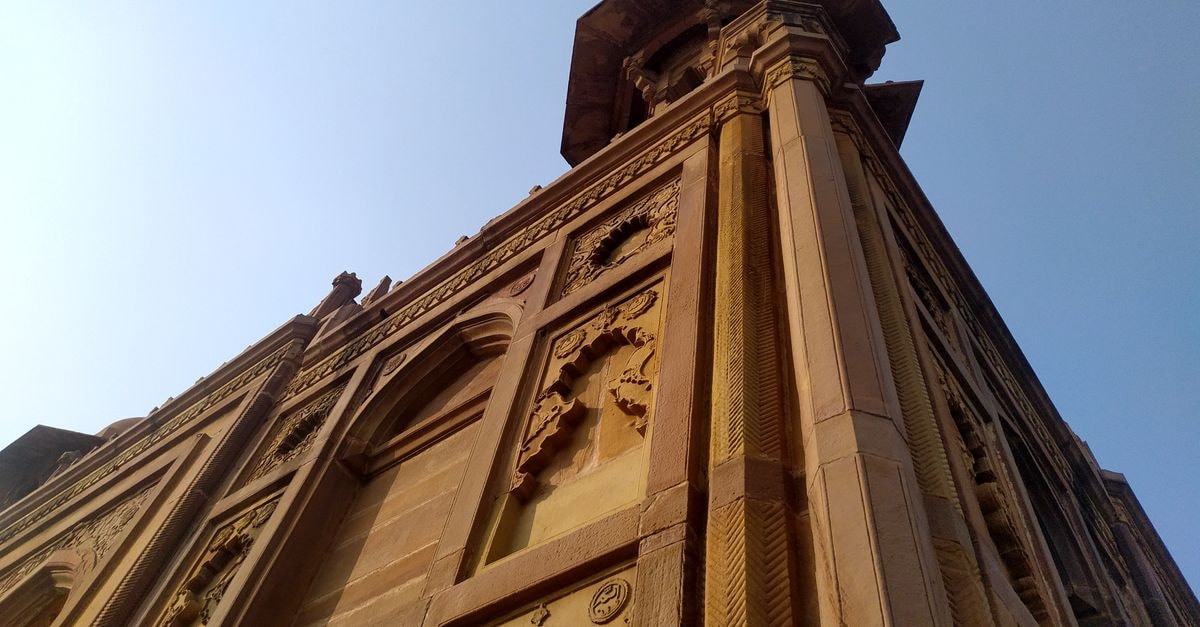
Where the Godavari sets the rhythm

Nashik sits along the banks of the Godavari River, and that single geographical fact quietly shapes almost every visit. The river is the reason the city is counted among the four sacred sites that host the Kumbh Mela, the great Hindu pilgrimage gathering that takes place every twelve years. It is also the thread that connects the city's older mythological identity, rooted in the Ramayana and the story of Lord Rama's exile in Panchvati, with its present-day rhythm. Travellers who arrive expecting only a stopover between Mumbai and the wider Deccan tend to be surprised by how layered the place feels once the riverfront opens up in front of them.
Beyond its religious heritage, Nashik is widely recognised for its temple culture and its vineyards, a pairing that gives the city an unusual dual personality. Ancient sacred sites and working wine country coexist within easy reach of each other, and most itineraries end up blending both. This guide keeps the focus on what is supported about the city itself, so you can plan around the essentials rather than chasing promises.
Weather and seasonal context
No specific live weather forecast is included here, because the available information for Nashik describes the city rather than a particular week or month. What is clear from the regional picture is that Nashik lies inland on the Deccan plateau, with the Godavari running through it, and the climate tends to be warmest in the dry stretch and more humid when the monsoon builds. Travellers who pace their days around the river and the temple districts often find that mornings feel calmer, while afternoons call for shade, water and a slower tempo.
A few evergreen notes that tend to serve visitors well, regardless of when they travel:
- The river and the temple areas are central to the city's identity, so leave time to simply walk rather than rushing between sites. - Vineyard country around Nashik is generally easier to enjoy when the day is not at its hottest, so plan tastings for late morning or late afternoon where possible. - Light, breathable clothing, sun protection and a refillable water bottle are practical in this part of Maharashtra in most seasons.
Because this is an evergreen guide rather than a seasonal one, treat any weather observation you read elsewhere as a starting point, and cross-check a live forecast closer to your departure.
Getting around
The official tourism and district pages for Nashik describe the city itself but do not publish a full transport timetable in the material available here, so the focus stays on what is genuinely useful to know before you arrive.
Nashik Road is a well-known landmark within the city, and the area around it is home to the Artillery Centre. Travellers passing through often use Nashik Road as a familiar reference point when arranging pickups or asking for directions, because it sits close to the railway corridor and several arterial roads. The same part of the city also connects to the Deolali Cantonment area, where the Cantonment Board, the CAT (Combat Army Aviation Training school) and an artillery museum are located. That concentration of military heritage means the cantonment side of town has its own quiet, ordered character, and visitors interested in institutional history tend to plan at least a short stop there.
Within the city, local transport options are typical of a mid-sized Maharashtra city, with auto-rickshaws, taxis and app-based cabs serving the main temple areas, the river ghats, the market districts and the vineyard routes on the outskirts. Because schedules and availability can change, it is worth confirming current local transport arrangements through your hotel or a trusted local contact on the day.
For the wine country, most visitors travel by hired car or pre-booked driver for the day, since tasting rooms are spread across the surrounding countryside rather than clustered in one walkable neighbourhood.
The Ministry of Tourism portal that highlights Nashik lists a feedback address at info[dot]mot[at]gov[dot]in, which is presented on the portal as a place for readers to share suggestions or comments about site features and content.
Attractions and planning
The two attractions that define Nashik's identity are well documented, and they are worth understanding properly before you build a plan.
The first is the city's role in the Kumbh Mela. Nashik is one of four cities in India that host this major Hindu pilgrimage festival, which takes place every twelve years. The Godavari is central to that story, and the ghats along the river carry much of the associated ritual life even outside the festival years. For visitors, this means the riverfront is not just scenic; it is a working sacred space, and dressing modestly and moving respectfully around the ghats is the expected norm.
The second is the Ramayana connection. The district's history and mythology are tied to the Ramayana, where it is said that during his exile, Lord Rama resided in Panchvati. Panchvati is the older name for the area around the river in Nashik, and the temples and sites associated with that period of the epic remain a focal point for pilgrims and for travellers interested in the textual and architectural layers of the city.
A practical way to think about Nashik's attractions is in two complementary circles:
- The sacred circle: the Godavari ghats, the temples linked to Panchvati and the wider Ramayana trail, and the Kumbh Mela legacy that gives the city its place on the pilgrimage map. - The contemporary circle: the vineyards and tasting rooms on the city's outskirts, which have made Nashik one of India's most recognised wine regions.
Most independent travellers spend their time moving between these two circles, often with the river as the connecting axis. If you have a particular interest, such as temple architecture, mythology, or wine, you can weight your days accordingly; if you are curious about both, the compact geography of the city makes a balanced plan realistic.
A short note on cultural etiquette that applies across India and may be useful context while you are in Nashik: in temple precincts and river ghats, it is customary to dress conservatively, remove footwear where indicated, and ask before photographing people or active rituals. Treating these as standard courtesy rather than rules to memorise tends to make visits feel more natural.
Staying safe and informed
For any time-sensitive decision, such as whether a particular temple precinct or museum area is accessible on the day you plan to visit, rely on current local information. Conditions on the ground can change, and the responsible approach is to verify through your accommodation, the local tourism office or an official government channel before you set out.
Practical checklist before you go
- Treat the Godavari and the ghats as a working sacred space; move respectfully and dress modestly in temple areas. - Use Nashik Road and the Deolali Cantonment area as familiar reference points when arranging local travel. - Plan vineyard visits for the cooler parts of the day, and pre-arrange transport since tasting rooms sit outside the city centre. - Carry a refillable water bottle, sun protection and light layers suitable for warm, occasionally humid conditions on the Deccan plateau. - Verify any time-sensitive details through your hotel, the local tourism office or an official channel before acting on them. - Remember that travel conditions can change; cross-reference official sources closer to your trip and check current advisories from your own country before departure.
Factual travel conditions can shift, and official channels should always be checked before departure so that your plans reflect the latest situation on the ground.
Share this article
TOOLS FOR THIS PLAN
Make the Nashik plan measurable
Choose a tool only when it answers the next question in your trip. Your values stay in the browser, and each tool offers a route back to this planning context.