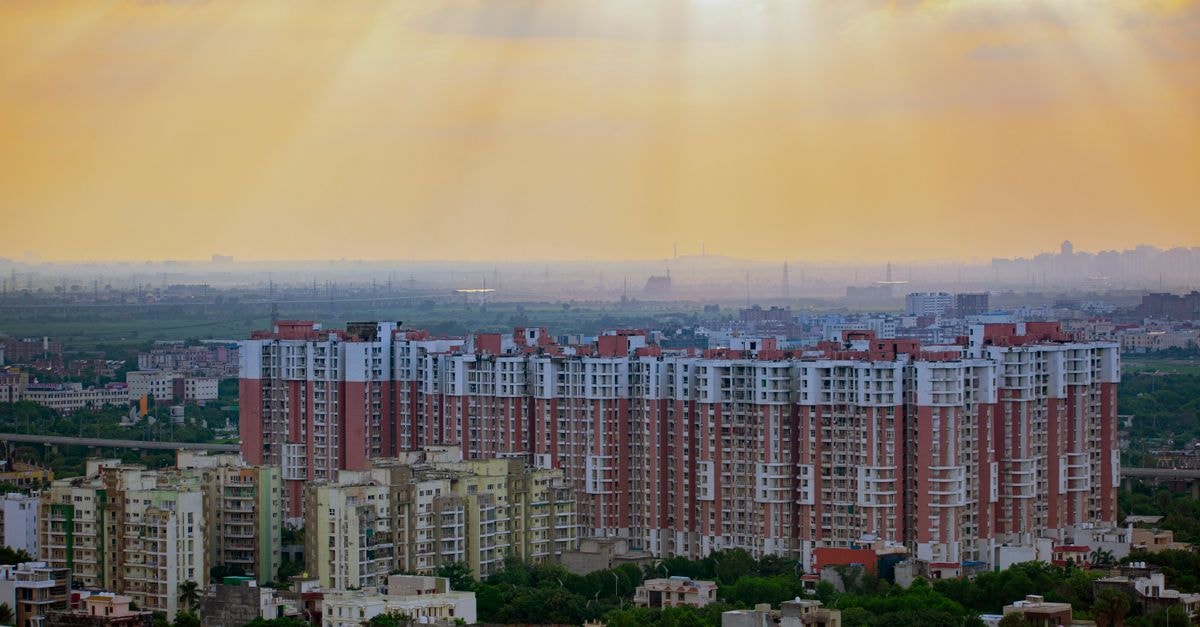
A first look at Prayagraj

Prayagraj is one of those Indian cities that travels with its reputation before you arrive. Known for its deep spiritual roots, grand architecture, and the world-famous Kumbh Mela, the city draws pilgrims, photographers, river lovers and casual sightseers in roughly equal measure. The draw is simple and ancient: this is where the rivers meet, and where rituals that predate most modern travel guides are still performed daily, not just at festival time.
If you have heard the older name Allahabad, you will still see it on some bus boards and station signs. The city was officially renamed Prayagraj, but the transition is gradual and visitors should not be surprised by either spelling appearing on tickets, signage or maps.
A helpful way to think about Prayagraj is as a river city with a devotional heartbeat. The pace around the ghats is unhurried, the sound of temple bells and conches drifts across the water, and the everyday business of life goes on around it: bicycles, auto-rickshaws, fruit sellers and schoolchildren weaving between sacred steps.
Weather and seasonal context
Prayagraj has a reputation for weather that swings hard between seasons, so timing really does shape the experience. Sources generally point to October through March as pleasant weather, ideal for sightseeing and religious rituals. Travellers who like cooler mornings, golden light on the river and a generally easier walking experience usually lean toward that window.
If your plans fall outside it, the city does not close, but you may want to pace the day differently. The river and the ghats can feel intense in humid conditions, and even short processions stretch longer when the air is heavy. Mornings at the Sangam and late afternoons tend to be more forgiving than the brightest part of the day.
One thing to keep in mind is the festival calendar. During the Magh Mela and Kumbh, vast tented camps, ranging from basic pilgrim tents to more comfortable options, are set up on the sands. That transforms the riverbank experience completely. Outside those mela windows, the Sangam area stays atmospheric and devotional but is quieter and more about everyday rituals than grand tents and mass processions.
A small comfort note: rain and heat are both common in this part of Uttar Pradesh at various points in the year, so loose cotton layers, a light scarf or stole (handy at ghats and temples), comfortable walking shoes and a bottle you can refill go a long way toward a smoother day.
Getting around
Prayagraj is a regional hub, so getting in is usually straightforward. Prayagraj Airport has regular flights to cities like Delhi and Varanasi, which makes it workable for travellers flying in from other parts of India. Trains and road connections into the city are well established given its pilgrim importance, so combining modes is normal rather than unusual.
Once you are in the city, the experience is shaped by the river. The old town is dense, the roads narrow quickly and traffic moves at its own devotional pace. Auto-rickshaws and cycle rickshaws handle most short hops, with cabs and app-based options for longer stretches. None of this is exotic, but a little patience helps, especially around the ghats and temple districts.
A smart baseline for any traveller here is to plan your day as a series of short loops rather than one long route. The Sangam area, the main temple cluster and Anand Bhawan-leaning heritage zones each deserve their own unhurried block. Trying to stitch everything into a single straight line usually produces more road time than river time.
Budget-wise, the city is friendly to independent travellers. The single most useful number to keep in your head is that every major darshan is free. That single fact reshapes a trip plan: it means you do not need to ration yourself between temples and ghats, and you can wander in and out of smaller shrines and riverside rituals without worrying about entry fees piling up. What you spend on is transport, food, guides if you want them and any accommodation upgrades.
Attractions and planning
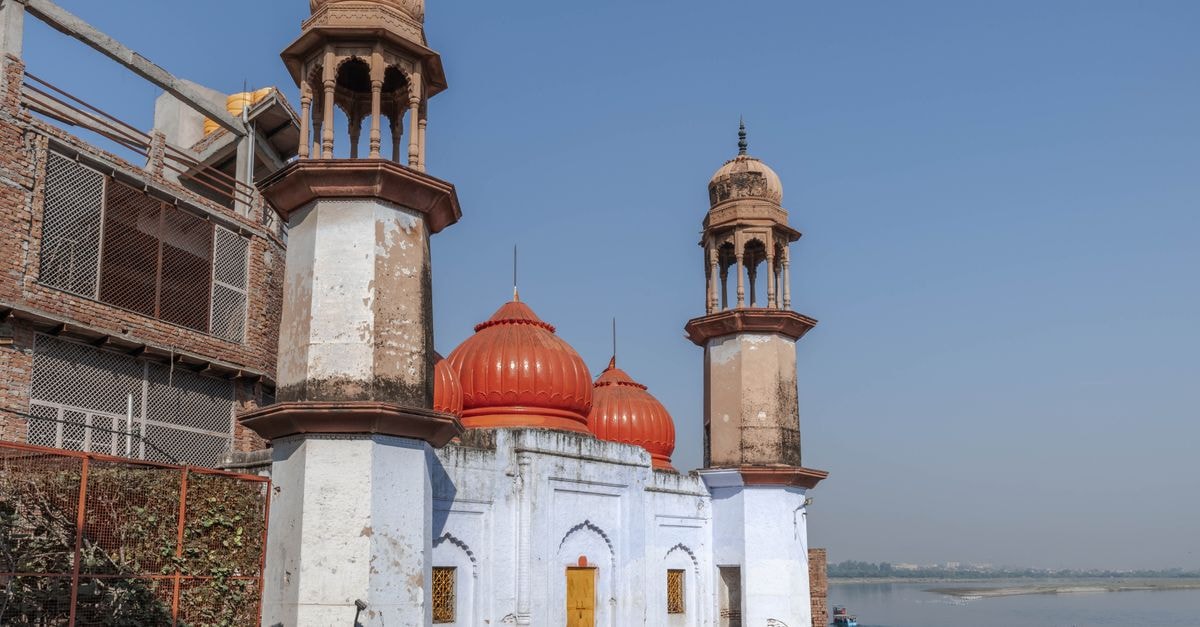
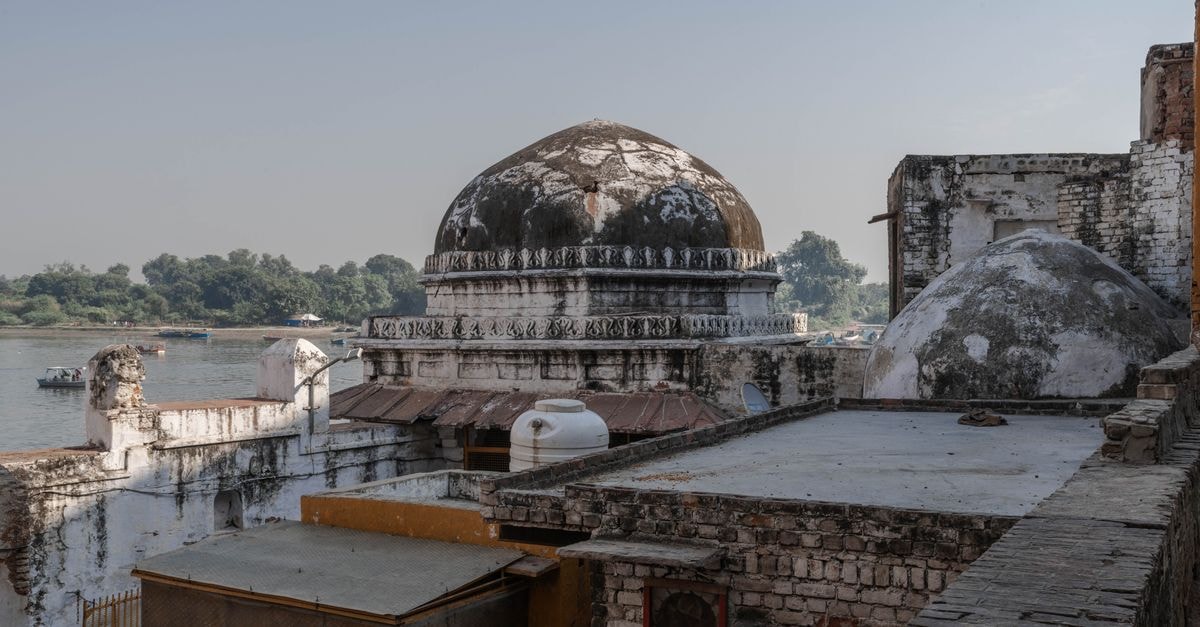
The Triveni Sangam, the meeting point of the Ganges, Yamuna and mythical Saraswati, is the gravitational centre of any Prayagraj visit. It is busier and more basic in atmosphere, yet deeply devotional, the kind of place where you can simply sit on the steps for an hour and watch river life pass: priests offering prayers, families performing tarpan for ancestors, boatmen ferrying pilgrims across, and the slow drift of marigold offerings downstream.
Boat rides to the confluence are a practical way to experience the Sangam itself rather than just admire it from the bank. They are easy to arrange near the main ghats, and the short ride out into the brown-green waters is often the highlight that visitors remember most.
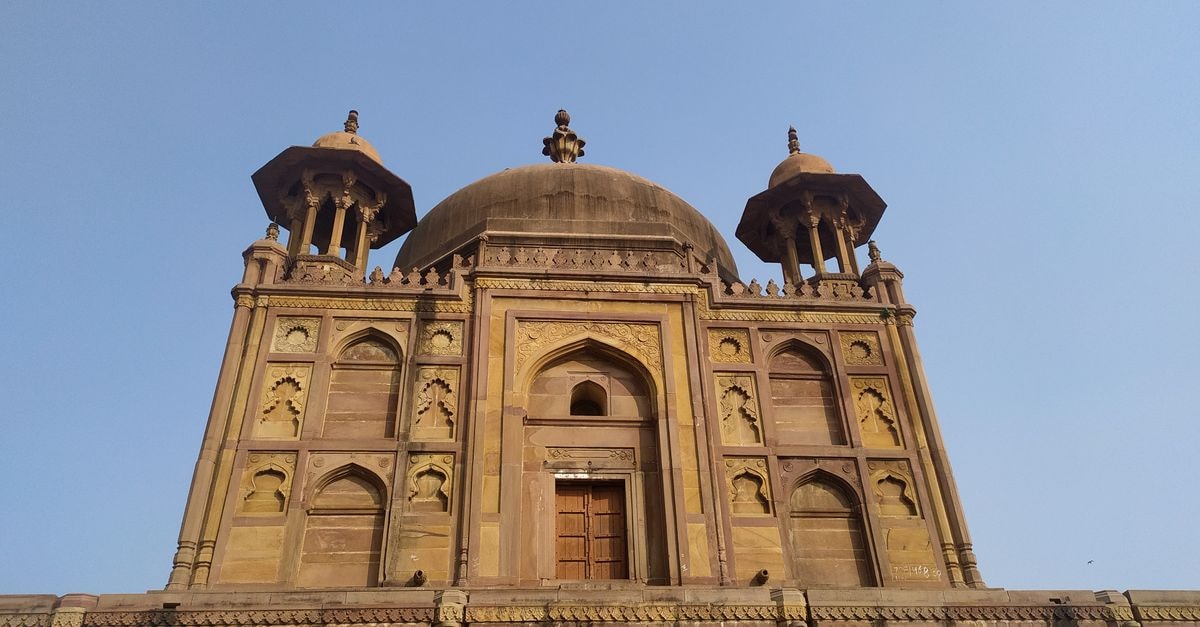
Beyond the Sangam, the city spreads outward into a constellation of spots: heritage Anand Bhawan, Akbar's fort, temples, parks and quieter ghats. The wide river, the broad sky and the slow procession of pilgrims and locals give Prayagraj its particular feeling of being both a working city and a sacred one. Plan generous time rather than racing between sights, especially around sunset, when the river takes on a softer, almost amber look and the temple bells feel closer.
A planning note on the Kumbh Mela specifically: the Prayagraj Kumbh Mela offers a once-in-a-lifetime opportunity to experience India's rich cultural heritage and is among the top places to visit in Prayagraj. If your travels happen to line up with a mela year, factor in very different logistics. Crowd levels, accommodation patterns and transport all shift, tent cities bloom on the floodplain, and the city essentially doubles in size for the duration. Outside those years, the same river is here, just calmer and closer to its everyday rhythm.
Two practical anchors to keep in mind as you plan: a fully open day for the Sangam area, and at least half a day buffer for the rest of the city. Allow yourself to slow down, treat the river as the spine of your trip, and let everything else curve around it rather than competing with it.
Practical notes and verification
A few evergreen pointers that consistently come up for independent travellers:
- Treat the riverside as the heart of the trip. Most of the city's emotional weight is there, and building your itinerary around it tends to feel more rewarding than racing through a long checklist. - Walk where you can. The old town is dense with small temples and everyday scenes that reward slow, attentive wandering. - Keep modest cash for ghats, small shrines and boat or rickshaw payments, even in a year when digital options are common. - Dress modestly when you approach temples and rituals; covered shoulders and knees are a safe default. - Drink plenty of water and pace yourself in hotter, more humid parts of the year.
Factual travel conditions, transport schedules, festival dates and on-ground arrangements can change. Before departure, cross-check your plans against official transport sources, current advisories, your accommodation and any mela-related announcements if your trip falls in a Kumbh or Magh Mela period. Treat this guide as a grounded starting point rather than a live confirmation.
Prices, opening hours, schedules, reservation rules, and local conditions can change; verify them through official channels before departure.
Share this article
TOOLS FOR THIS PLAN
Make the Prayagraj plan measurable
Choose a tool only when it answers the next question in your trip. Your values stay in the browser, and each tool offers a route back to this planning context.