A convenient city between Osaka and Kobe
Baseball is one of the clearest reasons to notice Nishinomiya. Hanshin Koshien Stadium is identified as the home ground of the Hanshin Tigers and as a landmark associated with the dreams of high school baseball players. Nishinomiya Jinja Shrine offers a contrasting cultural stop, while the Hankyu Imazu line provides a railway-oriented reason to explore. For food-minded visitors, the broader local context points toward Kobe's well-established bakery and patisserie tradition.
Getting around and following the railway story
The city's transport identity is closely tied to the Hankyu Imazu line. Stations from Nishinomiya-Kitaguchi Station to Takarazuka Station appear in the Japanese film *Hankyu Railway*. That detail gives the line an additional layer of interest for travelers who enjoy transport history or film connections: riding it can feel like moving through a piece of the city's cultural imagination rather than simply using infrastructure to get around.
Hanshin Electric Railway is also listed among the city's transport connections. The approved transport information is not detailed enough to support exact fares, timetables or a full journey-planning method, so those details should be checked through official channels before departure.
Nishinomiya's location provides a useful geographic frame because it lies midway between Osaka and Kobe. The available overview also associates Nishinomiya with a 15-minute journey, but it does not identify the endpoints, mode of transport, route, direction or whether the duration applies to both cities. For travelers who prefer a base between the two cities, that incomplete overview may encourage independent research into suitable rail connections rather than serve as a basis for a fixed travel time.
Hanshin Koshien Stadium and Nishinomiya Jinja Shrine
Hanshin Koshien Stadium is the strongest sports landmark in the city. It is famous as the Hanshin Tigers' home ground and is closely connected with high school baseball. Baseball enthusiasts will find the stadium's significance especially clear, while anyone curious about Nishinomiya's modern sporting identity can use it as an anchor for exploring the city.
The stadium's importance also makes it a sensible choice for travelers who want to experience a place through local enthusiasm rather than only through traditional sightseeing. The available information does not establish ticket prices, match schedules or visitor access arrangements, so anyone planning a stadium visit should verify those practical points directly with the venue or other official information before making travel decisions.
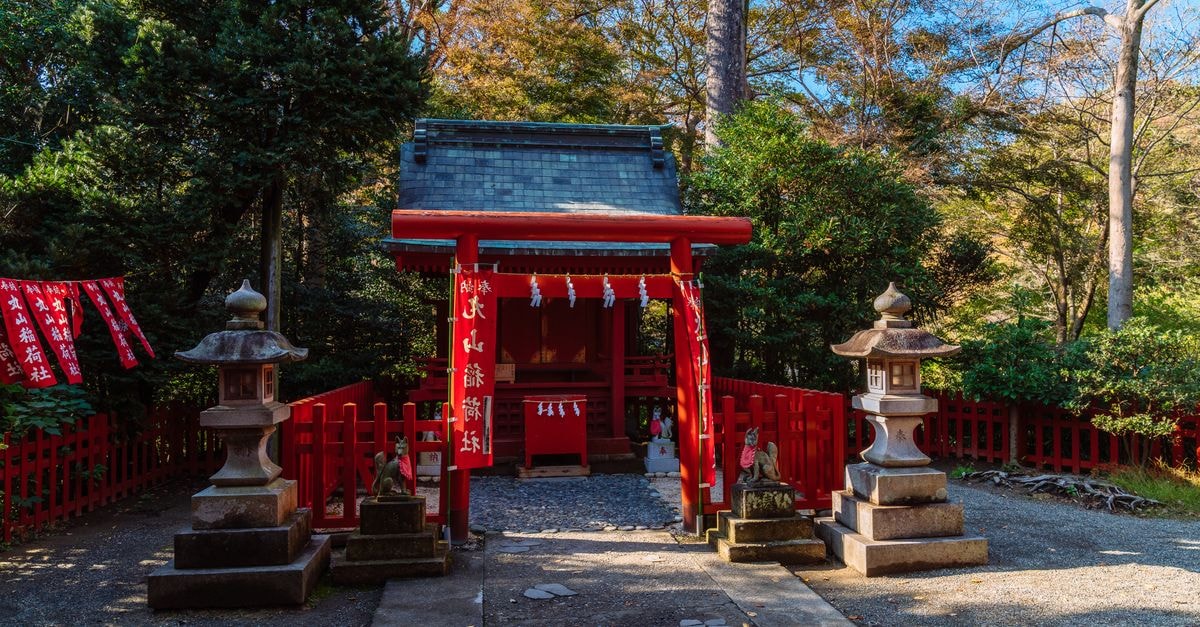
Nishinomiya Jinja Shrine is the city's best-known shrine reference in the available guide. It is associated with a New Year's event called the "Lucky Man Race." That association makes the shrine relevant not merely as a stop, but as a place connected with a recognizable seasonal tradition. The evidence does not provide current event dates, ceremony details or access information, so the shrine is best treated as a cultural landmark to research further rather than as a guaranteed event itinerary.
Together, the stadium and shrine show two sides of Nishinomiya: contemporary sports culture and a more traditional religious setting. A short visit to each can work well for travelers whose interests range from Japanese baseball to local customs. No unsupported claims about crowds, opening hours or suitability for children should be added; those details are not established by the source material.
Parks, garden names and the wider sightseeing pattern
The city's sightseeing listings include Shukugawa, Kurakuen, Kabutomyama, Sakagura Road, Koshien and Naruohama, as well as Nishinomiya-Kitaguchi, Kotoen Yamaguchi, Funasaka and Najio. Shukugawa Park and Manchi-dani, including Niteko-Ike Reservoir and Koshimizu Waterworks, are highlighted as leading beauty spots for cherry blossoms in the city.
That listing gives travelers several directions for a self-directed visit. Sports fans may begin with Koshien, while people looking for a more scenic or contemplative outing can consider the Shukugawa area. The garden and park names are useful landmarks, but the source does not provide current opening times, access rules, facilities or route information. Check official sources for practical arrangements before setting out.
The park information should also be read with its stated seasonal frame in mind. Cherry blossoms are the reason these locations are singled out, but this evergreen guide does not suggest that cherry blossoms will be present at any particular time. If your main priority is a particular flower season, verify the relevant dates and conditions separately. If you are simply exploring Nishinomiya, the park names can serve as optional destinations while the stadium, shrine and railway provide the city's most distinctive themes.
Food and bakery context
The food evidence points to Kobe's strong tradition of bakeries and patisseries, blending European and Japanese styles. This is best described as wider regional context that visitors may encounter while traveling around Nishinomiya, not as a Nishinomiya specialty or as proof that any particular bakery is located within the city.
For travelers with a sweet tooth or an interest in regional food culture, it may be worth including a bakery or patisserie stop in a broader day around the area. If you prefer to keep the visit strictly within Nishinomiya, treat this as a prompt to verify nearby options rather than a reason to assume a specific venue. No individual shop, menu, price or opening hour is established in the approved information.
A focused way to choose what fits your trip
If your priority is baseball, make Hanshin Koshien Stadium the central sight. If railway history and film interest matter more, the Hankyu Imazu line turns a practical route into a themed experience. Nishinomiya Jinja Shrine suits travelers looking for a cultural landmark associated with a named local tradition. For scenery, the Shukugawa and Manchi-dani listing offers park and cherry-blossom destinations, while food-focused visitors can explore the wider Kobe-area bakery tradition.
These are complementary choices, not a required itinerary. The evidence supports selecting according to your interests while keeping transport, schedules, venue access and event details subject to verification.
Before departure, check official transport, stadium and shrine information, along with any park access details. Travel conditions and operating arrangements can change, and the currently available guide information is deliberately too limited to replace those direct checks.
Share this article
TOOLS FOR THIS PLAN
Make the Nishinomiya plan measurable
Choose a tool only when it answers the next question in your trip. Your values stay in the browser, and each tool offers a route back to this planning context.