A First Look at Nizhny Novgorod

If you are looking for a destination where you can feel the scale of Russia without the intensity of Moscow or St. Petersburg, Nizhny Novgorod offers a gentler rhythm. The city invites slow walks, long lunches, and quiet evenings watching the river. Below is what the approved evidence actually supports: a grounded look at the weather you are likely to experience, and a wider look at the Russian food culture that visitors may encounter while in the city.
Weather and Seasonal Context
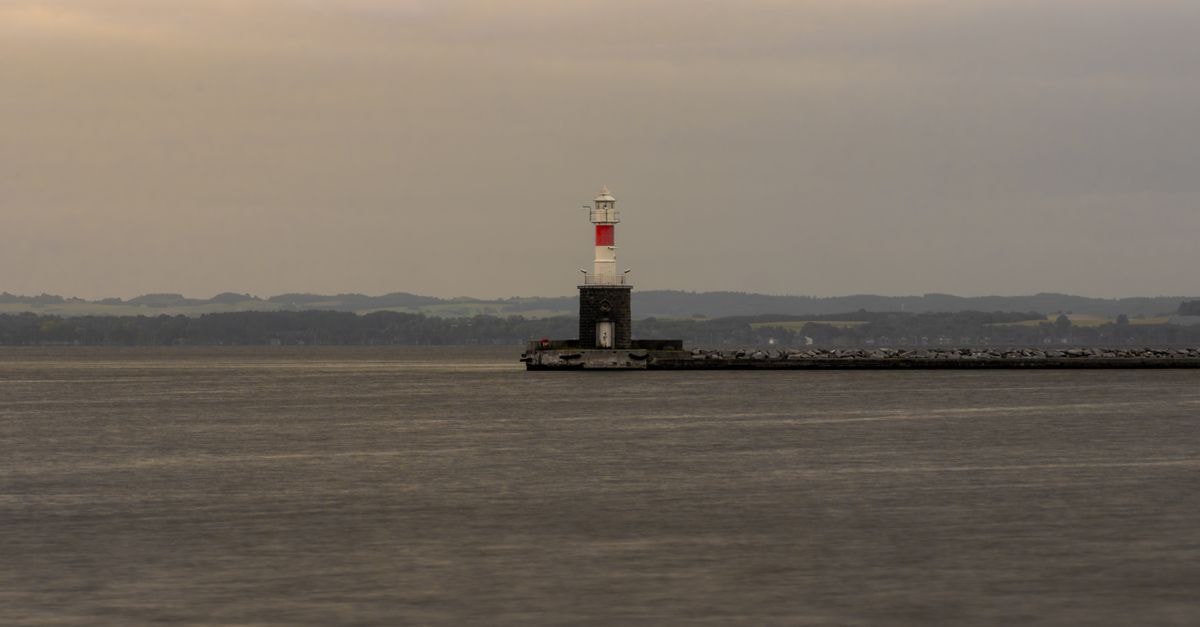
One of the more evocative descriptions of the city comes from guides describing a summer-to-early-autumn walk along the Volga embankment, where "the air alive with the scent of blooming linden trees and the distant hum of the city" captures the atmosphere of long riverside strolls (F3-2). This kind of imagery is useful for setting expectations: Nizhny Novgorod is a city best experienced on foot, with the embankment as a natural anchor for an afternoon or an entire day.
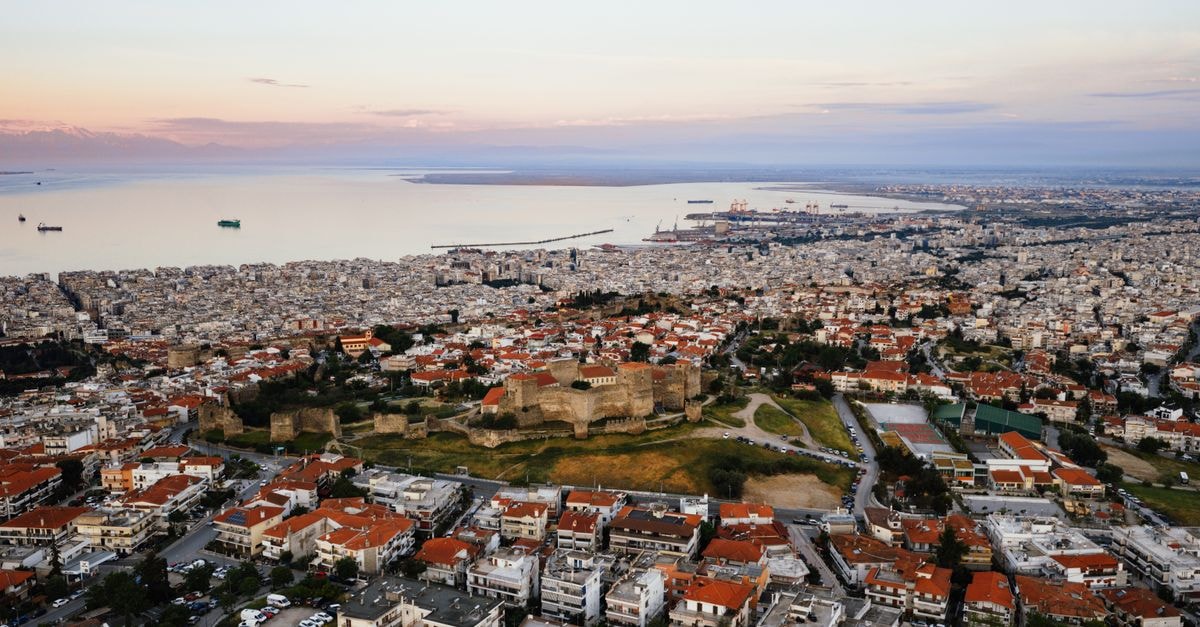
Because the city covers a substantial area of around 466 square kilometers (F1-2), pacing matters. Visitors who try to cover too much ground in a single day can quickly feel the size of the place. A practical approach is to choose one or two districts or riverfront areas per day and let the rest unfold slowly. This is also a city where seasonal layering pays off — light layers for warm afternoons, a warmer jacket or windproof top for riverfront evenings, and an umbrella or rain shell during wetter stretches of the year.
Food and Local Context
Russian cuisine has a far richer range than its stereotypes suggest. Traditional Russian food culture is built on hearty, deeply flavored staples: the crackle of pork fat rendering in a cast-iron skillet, the sharp tang of fermented rye bread, slow-cooked porridges, and preserved vegetables that carry a household through long winters (F6-2). These are the textures and flavors that quietly shape everyday menus across the country, including in a major regional center like Nizhny Novgorod.
Two foods in particular tend to appear across Russian tables. The first is pelmeni, the small meat dumplings often associated with Siberia but widely considered one of Russia's most universal comfort foods (F7-1). They are typically served in broth, with sour cream, or simply buttered, and they show up on menus from family kitchens to casual restaurants. The second is black caviar, framed in Russian culinary tradition as a luxury ingredient with a long and complicated history (F7-2). While caviar is not an everyday dish, understanding its cultural weight helps decode menus, gift shops, and the conversations you might overhear in markets and hotels.
Planning Notes for Independent Visitors
Because the available evidence does not include verified prices, timetables, or reservations guidance, a few honest principles are worth carrying with you. Treat any figure you hear locally as a starting point, not a guarantee, and check with your accommodation or an official tourism channel if a detail matters to your plans. This applies to transport, opening hours, and ticket availability across the city.
It also helps to embrace the city's scale thoughtfully. With a population of more than 1.2 million people and an area of around 466 square kilometers (F1-2), Nizhny Novgorod rewards travelers who plan in clusters — the Volga embankment and surrounding historic core, the upper and lower parts of the city connected by local transit, and the cultural institutions scattered between them. Walking, paired with local transit, is usually enough to cover the essentials without rushing.
Above all, give yourself time. The river, the embankment, the scent of linden on a warm afternoon (F3-2), and the unhurried pace of a regional capital like Nizhny Novgorod — these are the elements that turn a short trip into a memorable one.
Prices, opening hours, schedules, reservation rules, and local conditions can change; verify them through official channels before departure.
Share this article
TOOLS FOR THIS PLAN
Make the Nizhny Novgorod plan measurable
Choose a tool only when it answers the next question in your trip. Your values stay in the browser, and each tool offers a route back to this planning context.