A first look at Nottingham

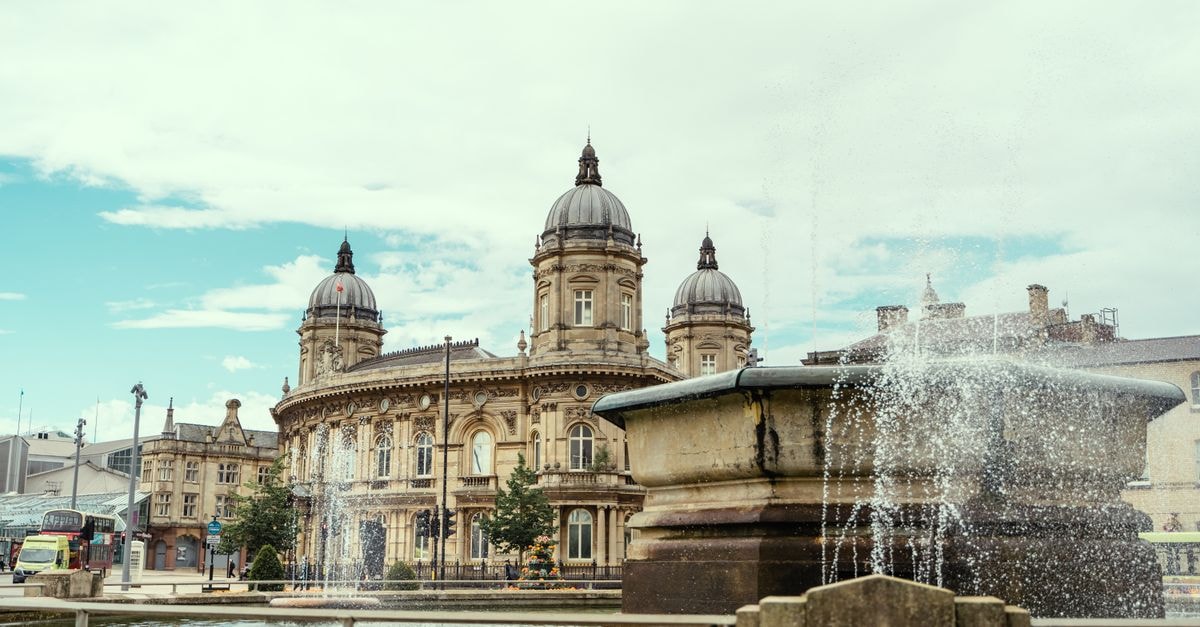
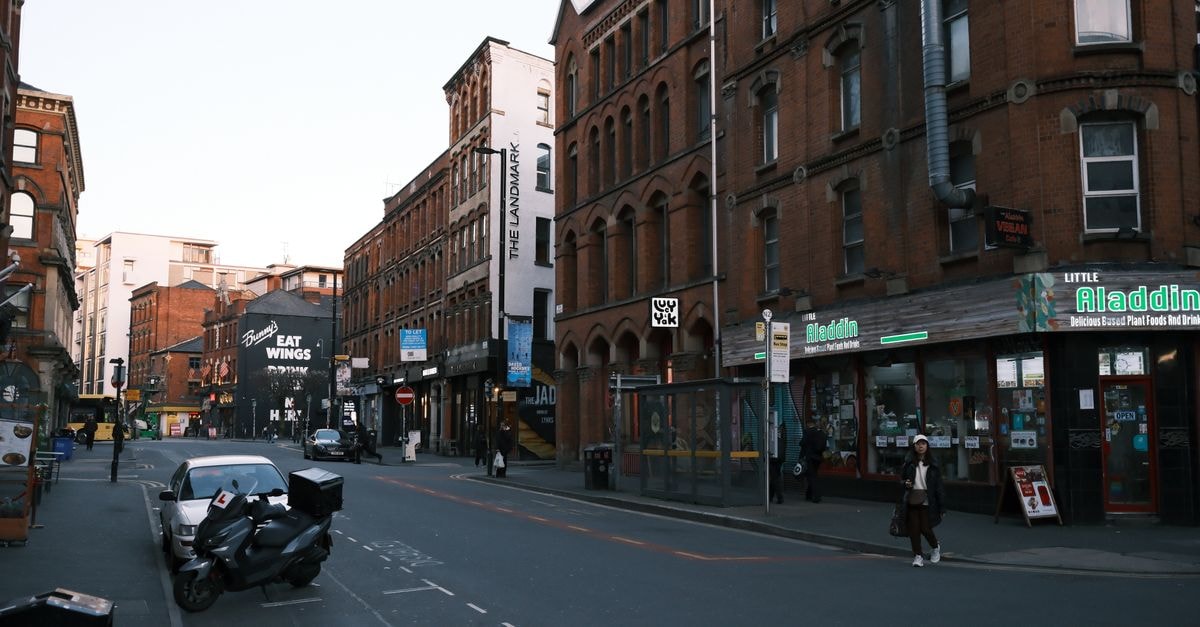
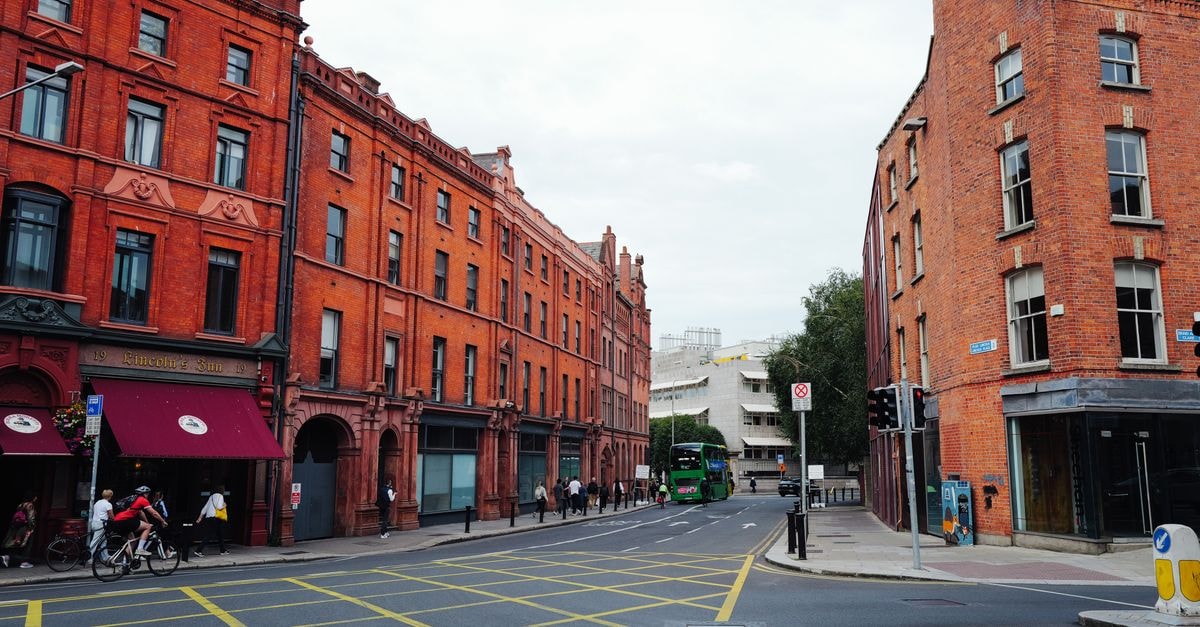
There's a quiet pleasure in arriving in a city whose reputation precedes it, only to find the actual streets feel more textured than the legends. Nottingham, in the East Midlands of England, is one of those places: a compact urban centre layered with stories of medieval rulers, hidden cave systems, and a modern cultural scene that hums softly beneath the historic facades. For a visitor planning a short break, the city rewards those who lean into its history on foot, dipping in and out of small museums, atmospheric old buildings and the green spaces tucked between them. This guide keeps the focus firmly on what the city itself offers and how to move through it comfortably, without straying into the wider countryside.
Weather and seasonal context
The approved city-level evidence does not include direct temperature readings or daily forecasts, so this guide avoids stating specific degrees, rainfall totals or short-term conditions. What the evidence does support is how the weather shapes the rhythm of a day. One source suggests combining the castle's cave network in the morning with the Justice Museum in the afternoon as a solid full-day history itinerary, and another notes that the exercise yard at the historic prison still carries prisoner graffiti scratched centuries ago. The implication for visitors is gentle rather than factual: days built around outdoor castle grounds and cave entrances can feel easier when scheduled earlier, leaving indoor museum time for later.
For a city with so much stone, brick and old timber framing, the practical habit of layering clothing serves well through much of the year. The caves in particular sit at a steady, cool temperature regardless of the weather outside, which is part of their charm but worth bearing in mind if you are sensitive to cool, damp air. Visitors who prefer to avoid rushing between sights in heavy rain may want to plan their outdoor stretches around the morning and accept that an afternoon indoors is not a fallback so much as the natural shape of a Nottingham history day. The exact conditions on any given day are best checked with a live forecast before you set out, as English weather has a habit of changing its mind several times between breakfast and dinner.
Getting around
Nottingham rewards walking more than many English cities of comparable size. The historic core is compact, and several of the headline sights sit close enough together that you can comfortably link them on foot without ever feeling hurried. The country house that now stands on the site of the original castle is home to the city's museum and art gallery, and beneath it lies the famous network of caves, including the tunnel known as Mortimer's Hole, which is said to still carry the presence of Sir Roger Mortimer himself. Because these two layers of the city sit essentially on top of each other, the walk between them is short and easy to fold into a wider morning loop.
For travellers choosing where to base themselves, popular areas among those who stay overnight in or near Nottingham include Nottingham city centre itself, Eastwood Hall and Lenton Abbey. Each offers a different rhythm: the city centre puts you within walking distance of the main sights, while the outlying options may suit visitors who prefer a quieter setting and are happy to use local transport to reach the historic core. The evidence does not specify distances or journey times between these areas and the main attractions, so anyone deciding between them may want to confirm the practical details of the connection before booking, particularly if travelling without a car.
The city's broader transport infrastructure is not described in the available facts, so this guide deliberately does not invent timetables, bus routes, tram lines or park-and-ride options. Anyone arriving by train or by car will find the compact centre easy to navigate on foot, and the walk between the museum, caves and justice museum forms a natural axis for a history-focused day. If you are travelling with mobility considerations, it is worth noting in advance that historic sites with caves and old staircases may involve uneven surfaces and steps; checking directly with each venue before visiting is the safest approach.
A history-shaped day
Because these three focal points sit within a short walking distance of each other, the natural shape of a day builds itself. Start in the cooler morning air inside the caves, surface for lunch in the centre, then spend the slower afternoon inside the museums where the weather outside becomes irrelevant. This is not a rigid prescription but a rhythm suggested by the evidence itself, and it leaves room for spontaneous detours into bookshops, cafés and the smaller corners of the city that often become the most memorable parts of a trip.
Choosing what fits your trip
Nottingham suits visitors who are happy to spend a good part of their day on foot, indoors and out, moving between layers of history rather than chasing a long checklist of attractions. If your interest leans toward medieval and legal history, the cave-and-museum axis will feel like the heart of the city, and a single full day may be enough to absorb it without rushing. Travellers who prefer a slower pace with less back-and-forth may want to consider basing themselves in the city centre rather than further out, simply to reduce daily travel time. Those sensitive to cool, damp underground spaces might plan shorter cave visits and longer stretches in the museum galleries. Because every traveller's priorities differ, the most useful habit is to check opening arrangements and any venue-specific access notes directly before setting out, so the day can flex around your interests rather than the other way around.
A note before you go
Factual conditions in any city can shift between the time of writing and the time of your visit. Opening hours, ticket arrangements, transport links and on-the-ground details are best confirmed through official channels shortly before travel, even when a guide suggests a comfortable shape for the day. Treat this overview as a starting framework for planning, and let the live information refine it once you arrive.
Share this article
TOOLS FOR THIS PLAN
Make the Nottingham plan measurable
Choose a tool only when it answers the next question in your trip. Your values stay in the browser, and each tool offers a route back to this planning context.