A City of Stories in Motion

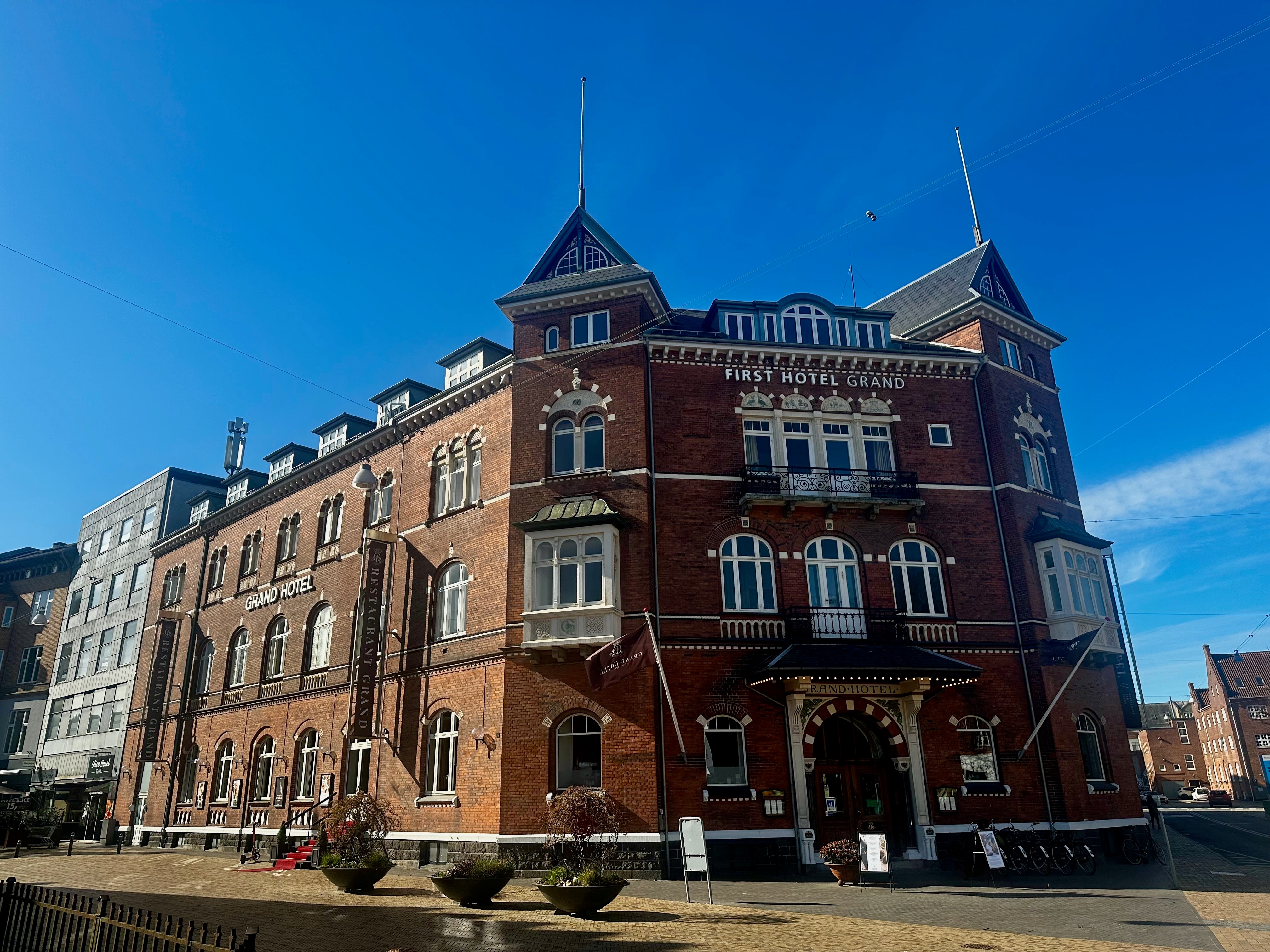
Odense has a way of making you slow your even as the city itself keeps moving forward. This is the town where Hans Christian Andersen first looked out at the world, and where street corners still feel threaded with the quiet wonder of a fairytale beginning. Yet at the same time, Odense is one of Denmark's oldest cities, and it wears that age lightly, folding Viking echoes, medieval bones and a fully reimagined centre into a single, walkable canvas. If you have not been for a while, the sense of renewal is hard to miss.
You don't come to Odense to rush. You come to wander, to read the plaques, to step into the new cultural buildings and then duck into a backstreet café. The city rewards a loose plan and a curious pair of eyes.
Weather and Seasonal Context
In practice, that means dressing in layers and checking a reliable forecast a day or two before you arrive. Danish weather is famously changeable, and Odense sits on Funen where sea winds can shift the mood of a single afternoon. Pack a light waterproof, comfortable walking shoes and a small daypack for the things you might pick up along the way. If the day turns grey, the city's indoor attractions — including museums and the newer cultural buildings in the centre — are an easy, sheltered pivot. If the sun breaks through, the open squares and the pedestrian streets are made for unhurried wandering.
Pace yourself accordingly. There is no need to sprint between sights; the city is compact, and the joy here is in the in-between moments as much as the headline stops.
Getting Around
Odense is a compact city, and that is one of its quiet luxuries. Once you arrive, you can largely leave the map tucked away and trust your feet. The centre has been thoroughly reimagined in recent years, with pedestrianised zones, calmer streets and a layout that gently steers you past the main cultural anchors. If you have not visited Odense recently, the shift in its city centre is striking — and very much part of the experience now.
A few practical notes for moving through:
- **Walking is the default.** Most of the cultural anchors, shopping streets and food spots sit within easy strolling distance of one another. - **Buses fill the gaps.** For the outer neighbourhoods, parks and the rail station, Odense's local bus network is the standard way to extend your reach. - **Cycling is very Danish.** If you fancy two wheels, bike rental is a natural choice — though it is worth checking locally for the most current pickup points and pricing rather than assuming a specific provider. - **The rail station links you outward.** Odense sits on a key Danish rail line, so day trips across Funen or onward to other Danish cities are straightforward if you decide to extend.
The Hans Christian Andersen House sits at the heart of the renewed centre, and the surrounding streets have been reshaped around the experience of approaching it on foot. You will likely feel the city arranging itself around heritage as you walk — past references to the Viking Age, the medieval period and Andersen's own era — without ever needing to memorise a history lesson.
Attractions and Planning
The headline draw in Odense is, quite simply, the Hans Christian Andersen House. It anchors the reimagined city centre and functions almost like a compass for the rest of your visit. From there, the surrounding streets open into a pedestrian-friendly mix of cultural buildings, squares and quiet corners that invite you to drift.
Beyond the Andersen focus, Odense carries a layered history that surfaces in unexpected places. You don't need a checklist to feel it; the city's identity as one of Denmark's oldest urban centres means traces of the Viking Age, the Middle Ages and the Andersen era all share the same streetscape. The newer cultural investments have been designed to weave those layers together rather than park them in separate museum boxes.
For practical planning, TID – Museum for Odense is one useful anchor. Available visitor information points to opening hours starting in the morning (typically from 10), which is worth keeping in mind when you sketch your first morning. Treat that as a planning rhythm rather than a fixed commitment, and confirm directly with the museum before you set out, especially if your visit falls on a public holiday or shoulder day.
A loose rhythm that works well:
- **Morning:** Open with the Andersen House and the surrounding renewed streets while the light is soft and the squares are calm. - **Midday:** Drift into TID – Museum for Odense or another cultural stop, then break for lunch. - **Afternoon:** Walk the older streets, look for references to Viking and medieval Odense, and let the city surprise you. - **Evening:** Pick a dinner spot and settle in — Odense's food scene rewards unhurried meals.
Odense does not ask to be conquered. It asks to be read slowly.
Food and Local Context
Odense's food scene is one of its most quietly confident qualities. It is a city where tradition and innovation share the same table, and where you can move easily from a classic Danish lunch to something more contemporary in the same afternoon.
Smørrebrød is the open-faced sandwich tradition that most visitors encounter at least once in Denmark, and Odense is a natural place to try it. The Danish approach here can be both reverent and playful: there are restaurants in the city that treat the classic high-pile format with care, keeping the traditional craft alive, and there are kitchens that are happy to give those same classics a fresh twist. Either way, smørrebrød tends to be a sit-down, knife-and-fork affair rather than something you grab on the run — a small detail that sets the rhythm for a proper Danish lunch.
Broader Danish food culture also brings things like pastries, rye-based traditions and a strong café-and-bakery presence, all of which are easy to find while you are in the city. None of this is unique to Odense in a strict sense, but it is part of the wider Danish context you will encounter as you wander.
If you want something beyond the classics, Odense is described as wonderfully diverse. French bistro-style cooking, Asian specialities and bold Mexican flavours all appear on the city's culinary map, alongside the Michelin-recognised end of the spectrum. That breadth means you can plan one night around a tasting menu and another around a casual, flavour-packed street-level meal without ever feeling like you have left Odense behind.
A simple way to approach eating here:
- **Lunch:** Lean into smørrebrød, a bakery stop or a casual bistro plate. - **Afternoon:** Pause for coffee and a pastry; the café culture is part of the rhythm of the day. - **Dinner:** Choose one anchored restaurant meal, then let curiosity decide the rest.
Before You Go
Odense rewards a soft itinerary. Pack for changeable weather, build in one big cultural anchor for the day and leave space for the in-between discoveries. The renewed city centre, the Hans Christian Andersen House and the layered Viking-to-Andersen history give the visit a natural arc, while the food scene fills in the evenings.
Factual travel conditions — opening hours, ticket availability, transit details and prices — can change, so it is always worth checking official channels and current local information shortly before you travel. Treat the guidance above as a thoughtful starting point rather than a fixed schedule, and let Odense reveal itself as you walk.
Share this article
TOOLS FOR THIS PLAN
Make the Odense plan measurable
Choose a tool only when it answers the next question in your trip. Your values stay in the browser, and each tool offers a route back to this planning context.