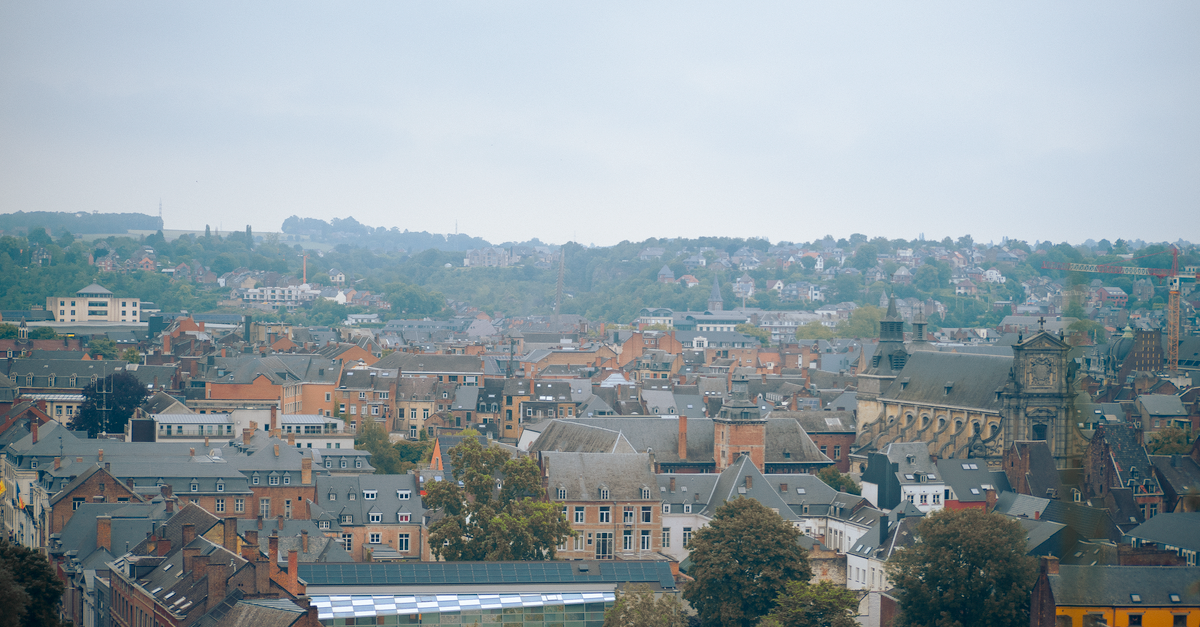
A city written in light and shadow

There is something cinematic about Odesa. The waterfront glints at the end of long, leafy boulevards, pastel façades glow in the late afternoon, and the rhythm of the city seems to move between poetry and practicality. Even a short visit tends to leave an impression: a working port city with serious architectural pedigree, a regional capital that takes its café culture seriously, and a place whose story keeps being rewritten in real time.
This guide is written for travellers who want to plan a thoughtful trip to Odesa without glossing over the realities that shape a visit here. The tone is honest, the advice is grounded in current reporting, and the goal is to help you arrive informed.
Weather and seasonal context
Useful, durable weather context for Odesa is light in the approved sources. What can be said with confidence is general: as a coastal port city, Odesa experiences the kind of climate where summer days can feel warm and humid, while shoulder seasons bring milder, sometimes windier conditions off the water. Travellers packing for a visit should think in layers and assume that seafront strolls can shift quickly from sun-soaked to breezy.
A practical evergreen suggestion: build your itinerary so that outdoor time — boulevard walks, market browsing, harbour viewpoints — happens in the morning or late afternoon, with museums, cafés and quieter indoor spaces reserved for the middle of the day. This is a gentle pacing note, not a forecast, and it tends to serve visitors well in coastal cities at large.
Because the approved factual ledger does not include specific temperatures, rainfall figures or a live forecast, this guide deliberately omits any claim about exact conditions. Anyone planning a trip should check a current weather source before departure.
Getting around
Odesa’s geography is friendly to walkers, especially in the historic core. The area most visitors gravitate toward is the winter-bright city centre around Deribasivska and the Passage, with Prymorskyi Boulevard offering the classic seafront panorama and port views. Walking between these landmarks is one of the pleasures of a visit: the streets unfold in a way that rewards slow looking, with courtyards, market corners and unexpected architectural details appearing between the well-known sights.
A second kind of getting around is logistical. Odesa in the present period exists in a specific context: it is a city caught between its traditional seaside identity and an ongoing security situation, including the documented reality of bomb-damaged homes and reported explosions. Travellers planning a trip should treat the city’s mobility with the same seriousness they would any unfamiliar urban destination — staying aware of their surroundings, following local guidance, and checking official channels for the latest information on movement, beach access and any curfews or restrictions in effect.
This is not advice about specific bus routes, taxi apps or tram lines. The approved sources do not provide that detail at a level safe to repeat, and any reader-facing recommendation would need to be verified locally before being acted on.
Attractions and planning
The architectural heart of Odesa is its 19th- and early 20th-century historic centre, recognised for the way its buildings reflect a period of rapid economic development. That recognition matters for travellers because it tells you what to look for: not a single monument, but an entire streetscape — the kind of place where the building you pass between two famous sights is often as interesting as the sights themselves.
For practical planning, current reporting describes Odesa as actively preparing to receive tourists, with coverage addressing accommodation prices, beach safety and what visitors need to know before arriving. That framing is useful: it signals that the city’s tourism infrastructure is in motion, that prices and conditions are being discussed openly, and that there is published guidance worth reading in full before booking.
Two planning suggestions follow from this. First, set aside time to read a current Odesa-specific travel advisory or news feature close to your trip — the kind of piece that addresses beach safety and accommodation costs in the present moment. Second, treat any specific listing — a museum, a market, a particular beach — as something to confirm locally rather than as a settled fact. The approved sources name the boulevards and the historic centre with confidence; they do not give the kind of detail that would let this guide promise opening hours, ticket prices or restaurant recommendations.
A note on the broader setting
Wider Ukraine travel and cultural context can be useful background when visiting Odesa, but it should be framed as nationwide rather than city-specific. Things you may encounter — language, currency, regional cuisine, general etiquette — reflect Ukraine as a whole, and Odesa has its own local character on top of that. None of those details are inferred as Odesa specialties here.
Currency note: if you reference spending on the ground, remember that exchange rates move. Treat any figure you read — including in news coverage — as a reference point, and check the live rate before exchanging money or budgeting.
Planning with honesty
The strongest theme running through the available reporting is that Odesa is a place where the timeless and the immediate coexist. The boulevards still draw the eye toward the harbour. The historic centre still tells its 19th-century story in stone. And the city is also navigating a period in which ordinary life — tourism included — continues under difficult circumstances.
For visitors, the practical takeaway is simple: plan around the enduring things, prepare for the current ones. Walk the seafront at golden hour, allow time for the architecture, read a fresh piece on Odesa’s present-day situation before you go, and verify anything that affects your safety, your budget or your schedule through official channels. Travel here rewards that kind of attention — not because the city demands caution, but because it deserves a visitor who has done their reading.
Conditions in any city can change quickly. Check official travel guidance, local news and your accommodation provider before and during your trip to confirm that your plans still fit the moment.
Share this article
TOOLS FOR THIS PLAN
Make the Odesa plan measurable
Choose a tool only when it answers the next question in your trip. Your values stay in the browser, and each tool offers a route back to this planning context.