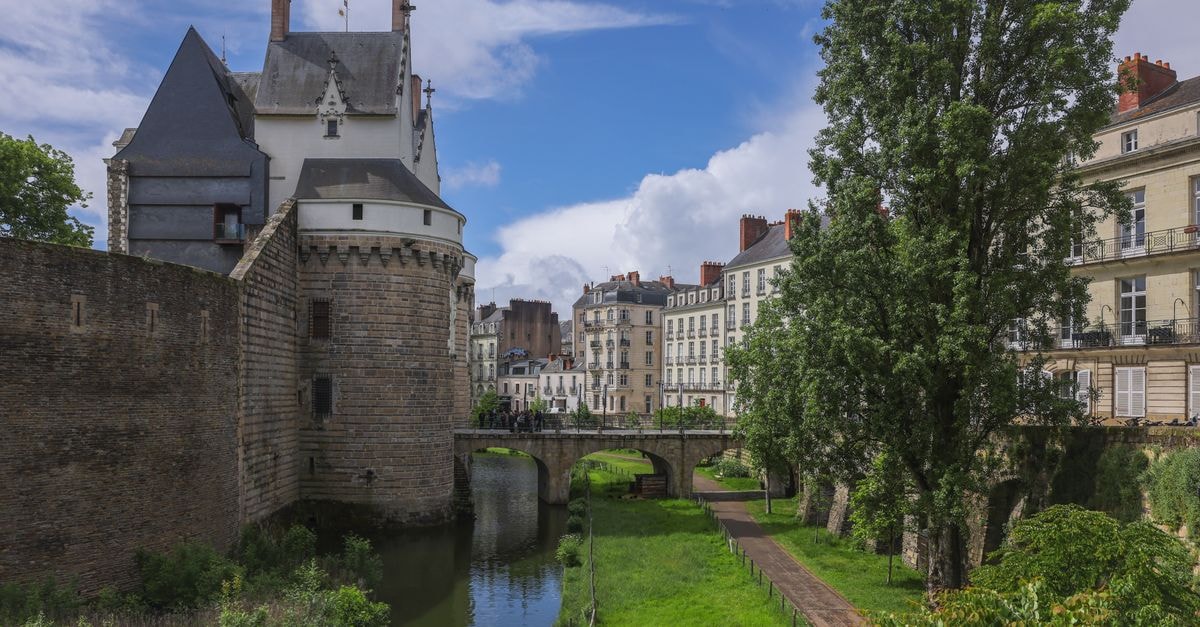
A first impression of Liège

Set on the banks of the Meuse in Wallonia, Liège is the kind of city that greets visitors with open arms and a quick smile. There is a warmth to the place that locals seem to carry naturally, and an energy that fills the streets and squares with conversation, music, and the pleasure of a long meal. Travelers often arrive expecting a quiet provincial stop and quickly realize that the city has its own unmistakable pulse.
The first thing many visitors notice is the people. The Liègeois have a reputation across Wallonia for being exceptionally welcoming and for enjoying life well into the night. That warmth is not a marketing line; it shows up in the way a café server lingers to chat, in the easy laughter on a tram, and in the way the city seems to keep finding reasons to gather. If you like places with character and a sense of celebration baked into daily life, Liège has a way of winning you over quickly.
This guide leans into what the city does best: the gentle logistics of arriving and moving around, and the deeper cultural layers waiting at a few signature sites. It is written for travelers who want to combine an easy city rhythm with a meaningful dose of history and art, all within a compact and walkable urban frame.
Getting around and feeling the city's rhythm
Liège rewards a slow, social approach to transport. Because the city is compact and the locals are famously outgoing, much of the pleasure of visiting is simply being out among people, hopping between squares, and letting the day unfold. Trams and buses link the main neighborhoods, and the central areas are easy to cover on foot, which means you can adjust plans on the fly without missing much.
Travelers often find that the easiest way to understand the city is to walk into the rhythm of its street life. The friendly locals love to have fun and eat well, and numerous events throughout the year enliven the city's streets and squares, giving the city a festival-like feel even on an ordinary evening. You do not need a rigid plan; you need curiosity, comfortable shoes, and an appetite.
A few small habits make the experience smoother:
- Let an evening stretch. Dinner tends to start later than in some neighboring cultures, and the night can run long in the best possible way. - Choose a central base. Staying near the historic core keeps most of the sights, museums, and main squares within easy walking distance. - Treat the squares as living rooms. The grand places around the old town are where locals and visitors mingle, often over a drink and a snack, and they are the quickest way to feel the city's famously warm temperament.
A fiery, welcoming Walloon character
There is a phrase often used about Liège, and it captures something true: it is considered the most southerly in temperament of any city in Wallonia. That description is less about geography than about mood. The city carries a Mediterranean warmth, a taste for conversation, and a willingness to stay up late, all set against a northern European backdrop of stone architecture and river light.
This character shows up in small moments. A shopkeeper might recommend a place to eat as if sending you to a friend's house. A stranger might strike up a conversation in a queue. The evening can move from a quiet drink into a spontaneous night out with little warning, and that shift is part of the city's charm rather than a disruption to it.
For visitors, the practical takeaway is simple: plan for flexibility, leave room in your evening, and expect the city to feel more like a gathering than a checklist. The Liègeois like to party through the night, and there is a kind permission baked into the city's rhythm for visitors to do the same.
Attractions and planning: the historic core
Liège's historic center is anchored by a series of grand religious and civic buildings that frame the city's identity. Among the most significant is a former Benedictine abbey whose church was founded between 1010 and 1015 just outside the old city walls. The site is a quiet, powerful landmark for understanding how the city first grew, and it offers a sense of the medieval world in which Liège began to flourish.
Spending a morning walking between the abbey church, the central squares, and the riverbank gives a clear shape to the city. The distances are short, the views are generous, and the architecture tells a continuous story from medieval foundations through later centuries.
Attractions and planning: the museum quarter
Inside, the collections give pride of place to the eventful history of Liège since its origins, while also standing at the forefront of art history more broadly. That dual focus, local story and wider art, makes the Grand Curtius a satisfying single stop for travelers who want depth without having to scatter their day across many small sites.
A practical way to approach the visit:
- Allow at least half a day, and longer if you like decorative arts and period rooms. - Treat the restored buildings as part of the collection, not just a container for it. - Pair the museum with a slow walk through the surrounding streets, where the city's medieval and modern layers sit comfortably side by side.
Putting it together
The simplest version of a great day in Liège looks something like this: a slow morning in the historic core, a long afternoon at the Grand Curtius, and an evening that belongs to the squares and the riverside. The city does not demand a packed schedule, and it rewards the kind of traveler who treats a visit as a conversation rather than a conquest.
Pack light, walk often, eat well, and let the Liègeois set the pace. You will leave with a clearer sense of why this corner of Wallonia carries such a fiery reputation, and probably with a plan to come back.
*Factual travel conditions can change, and details such as opening hours, ticket policies, and event programming should be confirmed through official channels before departure.*
Share this article
TOOLS FOR THIS PLAN
Make the Liège plan measurable
Choose a tool only when it answers the next question in your trip. Your values stay in the browser, and each tool offers a route back to this planning context.