Orhei rewards travelers who enjoy a compact journey through layered history and striking natural scenery. Its appeal lies in the meeting of centuries-old cave monasteries, bustling local markets, the limestone river gorge of Orheiul Vechi, small-town museums, and dining centered on traditional Moldovan food. This guide helps readers interested in culture, accessible sightseeing by public transport, and a relaxed look at Orhei's distinctive attractions and flavors.
Weather and seasonal context
Orhei can be experienced in different weather conditions, with overcast or rainy periods creating a good reason to focus on the city's indoor cultural spaces and sheltered historic sites. Rather than treating every outdoor plan as fixed, consider keeping museums and other sheltered heritage stops on hand when conditions are damp.
The limestone gorge and Raut River setting are central to the character of Orheiul Vechi, so weather will naturally shape how much time feels comfortable outdoors. A flexible approach is sensible: plan around the atmosphere on the day, and prioritize sheltered or indoor experiences if rain or overcast skies make outdoor sightseeing less appealing.
Getting to Orhei and moving around
Public transport provides a straightforward connection with Chisinau. Riders can take a bus from the Central bus station in Chisinau to the Orhei Town Bus station. For anyone who prefers public transportation, these are the two named points to use when organizing the journey.
Moldova's rail network has a nostalgic character and has been historically preserved, which may appeal to travelers interested in international train travel as part of the experience. The available evidence does not set out a detailed rail itinerary, so the bus stations remain the clearest supported points for planning public transport to Orhei.
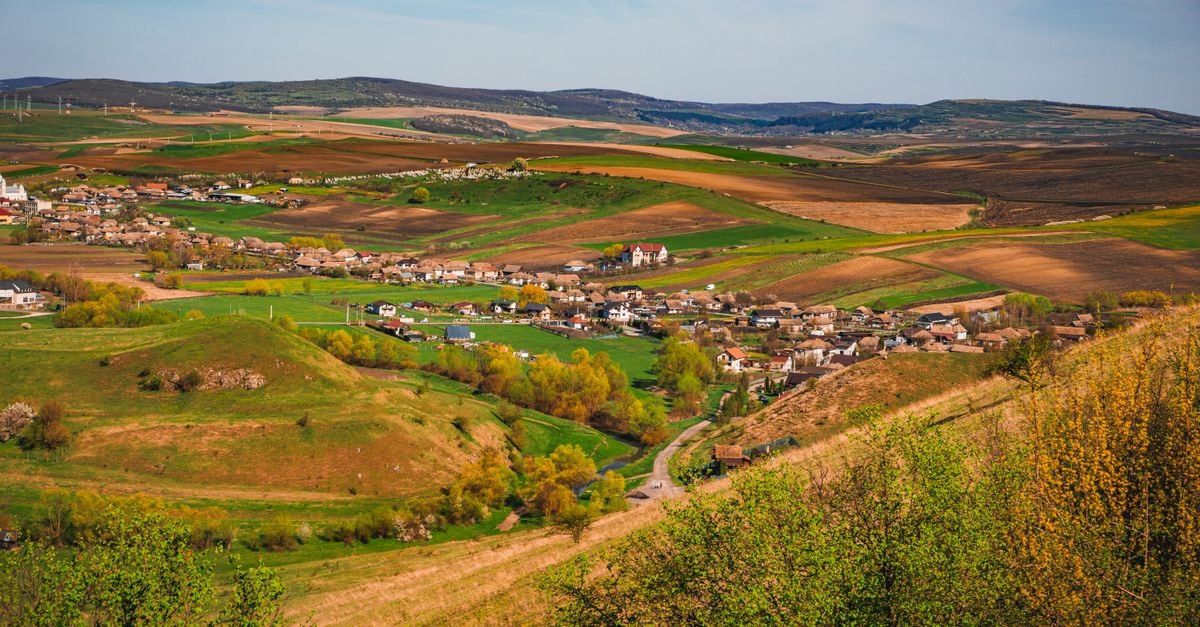
Once there, the natural setting around Old Orhei becomes part of the visit. Its limestone river gorge and the Raut River below offer a striking contrast to the bus journey into town and may particularly appeal to travelers looking to move away from the bustle of the city. The combination of monastery caves, cliff formations, and water makes this an essential part of understanding Orhei beyond its museums.
Orheiul Vechi and the heritage landscape
Old Orhei is the defining cultural landscape in this guide. Cave monasteries carved into limestone cliffs stand within a natural setting of gorge and river, giving the site a sense of history rooted directly in the terrain. It is a compelling visit for travelers who want archaeological and religious heritage to feel part of the landscape rather than separated from it.
Travelers interested in local history and archaeology may also look to Orhei's small-town museums. These collections present the area's heritage and can provide context for the surrounding cultural landscape.
Traditional Moldovan food in Orhei
Dining out in Orhei includes an array of traditional Moldavian dishes, so food can become a meaningful part of the visit rather than simply a break between attractions. For travelers curious about regional staples, consider leaving room to try a dish that places a distinctly Moldovan meal at the center of the day.
One dish to look for is mămăligă, a cornmeal accompaniment served with smoked meat or cheese. It is available at restaurants including Moldova House near the Raut River. The pairing makes mămăligă approachable for readers who want a recognizable dish rather than a lengthy list of unfamiliar courses.
For travelers seeking a meal with a strong sense of place, the riverside setting adds another layer to dining near the Raut. This is not simply a detached restaurant stop: it connects the food with the gorge-and-river scenery that defines much of the Orhei experience.
Choosing what fits your Orhei visit
Different interests lead toward different parts of the city. Travelers drawn to dramatic landscapes and historical architecture may prioritize Old Orhei, where the limestone gorge, Raut River, and cave monasteries form one setting. If you prefer a focus on local history and archaeology, the city's museums may suit your interests.
Food-focused visitors can center the visit on mămăligă with smoked meat or cheese at an established restaurant option such as Moldova House near the river. Anyone arriving by public transport can use the Chisinau Central bus station and Orhei Town Bus station as the practical transport anchors. For train enthusiasts who value the preserved character of Moldova's network, rail may add a nostalgic dimension, though the bus route is more directly specified in the available travel information.
Before departure, check current transport arrangements and local site information through official channels, as travel conditions and opening details can change.
Share this article
TOOLS FOR THIS PLAN
Make the Orhei plan measurable
Choose a tool only when it answers the next question in your trip. Your values stay in the browser, and each tool offers a route back to this planning context.