Oruro at a glance
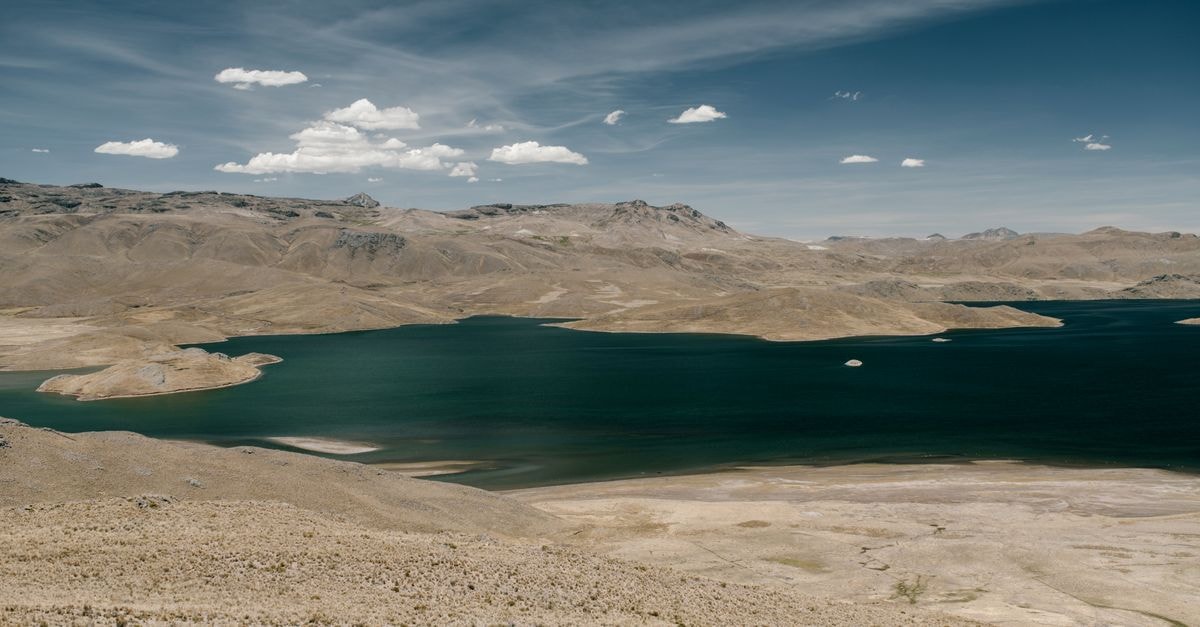
Tucked into the high plains of the Bolivian altiplano, Oruro carries the slow, layered feel of a city that has long been a crossroads. Silver-mining wealth gave it grand civic architecture, while its position on Bolivian rail and road networks keeps it connected to the country's bigger cities. Visitors tend to come for two things: the deep cultural pull of its famous Carnival, and the chance to experience everyday Andean life at altitude.
This guide gathers the practical anchors - how to arrive, where to focus your sightseeing, and the wider Bolivian food culture you may bump into while eating your way around town. The detail below is built from publicly available city references; for anything that shifts between visits (timetables, festival scheduling, ticket availability), confirm before you travel.
Getting around
Two arrivals tend to shape an Oruro trip: the air link and the rail link.
If you are flying in, the city's main gateway is Juan Mendoza Airport, which serves as Oruro's principal airport. From there, travelers typically arrange ground transport into the central districts, where most of the city's services cluster.
If you prefer the slower route in, Oruro Train Station is the rail hub and offers connections to major cities across Bolivia. The train is widely described as one of the most comfortable ways to travel to or from the city, which can be appealing if you want a more relaxed arrival than a long bus ride. Travelers who like scenic, low-pressure journeys may want to weigh the train against other ground options, especially since Bolivian rail routes tend to offer generous seating and broad windows for watching the altiplano roll by.
Once in the city, the central area is compact enough that visitors often pair short taxi rides with walking. Confirm local transport options and fares on arrival, since timetables and pricing change without notice.
Attractions and planning
Oruro's sightseeing picture is dominated, in cultural terms, by one event. According to a standard overview of the city, Oruro's most iconic attraction is its Carnival, which has been recognized as a UNESCO Intangible Cultural Heritage. This recognition has helped put the celebration on many travelers' radar, though experiencing it in person means planning around a very specific window each year.
Beyond the festival, travelers researching Oruro typically encounter roundups of the city's top attractions. Two separate city references describe curated lists of the main sites worth visiting, including monuments and other points of interest in and around the city. Rather than reproduce a single ranked list, treat these overviews as prompts: skim them, note what matches your interests, and then confirm opening times and access directly with local tourism information, since practical details like hours and ticketing are not stated in these guides.
A few practical notes for sightseeing:
- **Pace for altitude.** Oruro sits high on the altiplano, so plan lighter days on arrival and give yourself time to acclimatize before tackling steeper itineraries. - **Festival versus everyday visits.** If Carnival is your reason for coming, build your trip around the official festival calendar and book stays early; if not, expect a quieter city where you can explore at your own tempo. - **Verifying opening hours.** Because none of the available references list specific hours or ticket prices for individual sites, plan to check locally for the most reliable schedule before visiting.
A useful open question to settle before you leave: which specific cathedral, museum, viewpoint or mining-era landmark you most want to see, and whether it requires advance booking, a guide, or an entry fee. None of the public references consulted confirm those operational details.
Food and local context
Oruro sits inside a wider Bolivian food culture that visitors frequently encounter while eating around the city. Several city- and country-level travel references discuss the local culinary scene alongside lodging and budget options, framing the city's restaurants as a way to sample the broader range of Bolivian cooking.
In practice, that wider Bolivian context tends to show up in:
- **Markets and casual eateries** serving hearty, high-altitude staples such as soups, stews, and corn-based dishes common across the country. - **Snack stands and bakeries** offering traditional pastries that travelers often pick up while walking between sights. - **Festival-period menus** that, during Carnival especially, expand with seasonal specialties tied to the celebration - though the specific dishes you find will depend on when and where you eat.
Because the available references do not name individual restaurants, neighborhoods, signature dishes, prices, or hours for Oruro's dining scene, the safest approach is to treat the food culture as something you discover on foot and through local recommendations rather than as a checklist. Ask hotel staff, market vendors, or guides which nearby places they currently favor, since menus, prices, and even open businesses can shift between visits.
Choosing what fits your trip
A handful of practical tradeoffs shape an Oruro visit, and they are worth weighing before you commit to a plan.
If Carnival is your anchor, accept that accommodations and transit will be busy around the festival period and that you will be sharing the city with many other visitors; consider booking well ahead and keeping your sightseeing days flexible around parade and ceremony times. If Carnival is not the reason you are coming, you can lean into the quieter side of the city and explore its religious architecture, civic monuments, and museum-style stops at a slower pace.
For arrival, travelers who enjoy scenic, low-pressure ground journeys may prefer the train, while those working to a tighter schedule or carrying connecting flights may find the airport more convenient - whichever you choose, give yourself buffer time because high-altitude weather can occasionally slow ground transport. Food-wise, expect hearty Bolivian staples rather than a wide international spread; curious eaters who ask locals for current recommendations tend to get the most rewarding meals.
A note before you go
Travel conditions change: timetables shift, businesses open and close, attraction hours update, and menus evolve. The information above is built from general city references and is meant as a starting point for planning, not a real-time confirmation. Before departure, verify any checkable detail - flight times, train schedules, festival dates, attraction hours, and restaurant options - through official channels or current local sources.
Currency values also move daily; if you exchange money, treat any figures you see as a reference only and confirm the live rate on arrival. Carry small bills for casual purchases, since vendors in smaller establishments may have limited change.
Above all, give yourself room for the unexpected. The cities of the Bolivian altiplano reward travelers who arrive curious, move slowly, and stay open to the small discoveries - a street market, a quiet plaza, a festival rehearsal, a steaming bowl of local food - that make a trip feel like more than a checklist.
Share this article
TOOLS FOR THIS PLAN
Make the Oruro plan measurable
Choose a tool only when it answers the next question in your trip. Your values stay in the browser, and each tool offers a route back to this planning context.