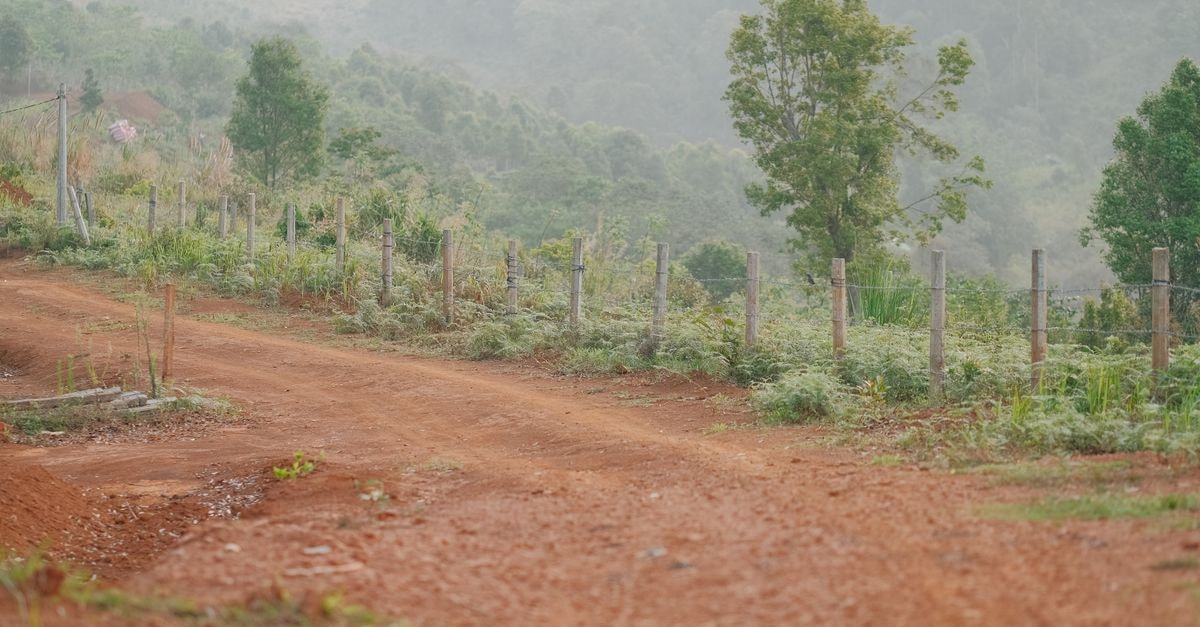
A Quiet Corner of Ondo State

Owo carries a quiet kind of authority. Tucked into Ondo State, this inland city is anchored by a deep historical past and a present-day rhythm that welcomes visitors with genuine warmth. For travelers who like to step a little off the standard circuit, Owo offers something rare in Nigerian tourism: a destination where the layers of archaeology, ethnography, and everyday hospitality can be explored in a single unhurried visit.
The city's story stretches back centuries. The Owo Museum of Antiques preserves significant archaeological artifacts and ethnographic materials discovered in the Owo area, giving travelers a tangible thread into the region's earlier civilizations. Around that cultural core, daily life unfolds in a way that feels rooted and personal. Hospitality and a love of good food and drinks are described as integral parts of Owo's culture, which means a trip here is not only about seeing artifacts, but also about absorbing a way of being with one another.
This guide leans into those two themes: the city's heritage sites, and the role of food within the local social fabric. Both are core to understanding what makes a visit to Owo feel meaningful, and both can be approached at a comfortable pace.
Attractions and planning
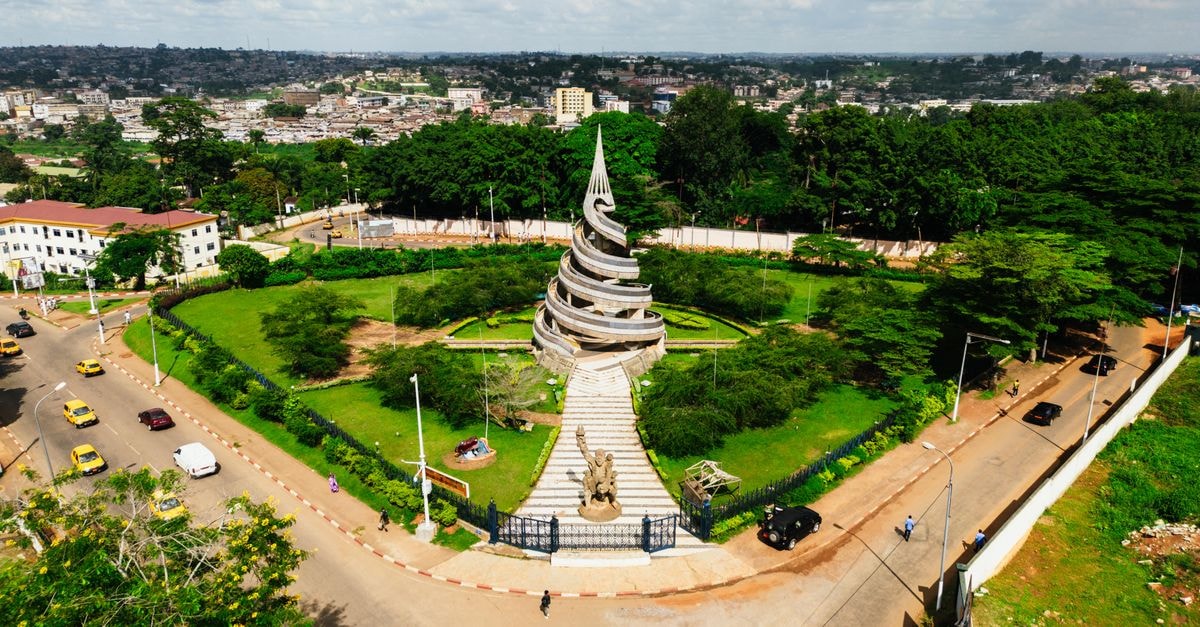
The Owo Museum of Antiques is the central attraction for any visitor. It is a museum in Owo that holds significant archaeological artifacts and ethnographic materials discovered in the Owo area, so a single visit can carry a lot of weight for travelers interested in pre-colonial West African history, material culture, or anthropology. Walking through the galleries, you move between excavated objects and ethnographic pieces, both of which illuminate how communities in this region once lived, traded, and expressed themselves.
For travelers thinking through when and how to visit, there is a useful planning cue worth keeping in mind. The best time to visit the Owo Museum is during the dry season, when the weather is more conducive for exploration and outdoor activities. If your travel preferences lean toward easier movement between sites, lighter humidity, and fewer weather interruptions, this window may suit you well. Travelers who arrive outside that window can still visit, but you may want to pace museum visits for the cooler parts of the day and plan any outdoor stretches around the heat.
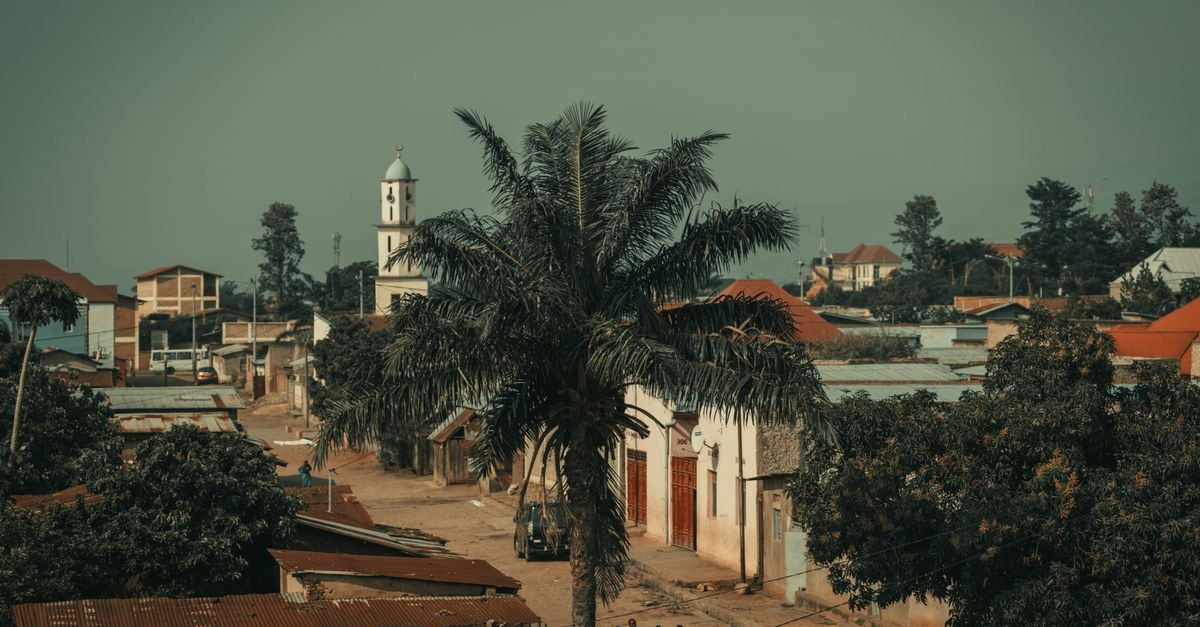
Beyond the museum itself, Owo's broader appeal lies in its atmosphere. The city offers a more contemplative pace than larger Nigerian destinations, which can be a real draw for visitors who want cultural depth without the sensory overload of a major urban center. If you prefer destinations where heritage sites can be appreciated with space to breathe, Owo is worth serious consideration.
A few practical points to keep in mind as you plan: the museum is the anchor site, and the surrounding city rewards travelers who approach it with patience rather than a checklist mentality. Allow time for conversations with locals, time to sit and observe, and time to revisit galleries if a particular exhibit catches your attention. That is where the deeper value of an Owo visit tends to emerge.
Food and local context
Food in Owo is treated as a gesture of welcome. The people of Owo are known for their hospitality and love for good food and drinks, which have become an integral part of their culture. This is more than a passing custom; it shapes how visitors are received, how families gather, and how celebrations unfold. For travelers who value food as a way into a place's identity, Owo offers a generous starting point.
Among the dishes associated with Owo, one stands out as a touchstone. One of the most popular dishes in Owo is Amala and Ewedu soup, a combination of soft yam-based Amala served with a draw soup made from ewedu (jute) leaves. It is the kind of plate that says a lot about Yoruba cooking traditions in this part of Nigeria: hearty, deeply seasoned, and built around shared eating. Travelers who already know Nigerian food may find a familiar flavor profile here, while first-timers are stepping into something that feels distinctly regional.
The wider Nigerian context is worth holding in mind. Across Nigeria, dishes built around staple starches and richly spiced soups are common, and visitors to Owo will encounter this style of eating as part of everyday life rather than as a tourist performance. Amala and Ewedu, in particular, is something visitors can reasonably ask about at local spots, because it is woven into how Owo residents feed themselves and their guests.
If your travel style leans toward connecting with residents over a meal, you may find that food becomes one of the most memorable parts of your visit. Consider treating mealtimes as cultural experiences rather than quick refuels. Sit where locals sit, ask about the dishes, and let the pace of eating match the pace of the city. That small shift in approach often unlocks conversations you would not otherwise have.
Choosing what fits your trip
A short note on shaping the visit around what matters most to you. If your primary interest is heritage and material culture, the Owo Museum of Antiques should anchor your itinerary, and planning around the dry season window may suit travelers who prefer easier movement and lighter weather. If your interest leans more toward cultural exchange and the social side of a destination, building time for shared meals around Amala and Ewedu soup and other local dishes may suit you better, since hospitality and food are described as central to Owo's identity. Travelers who want a balance of both can spend mornings in the museum and afternoons in the city, letting each part of the day reinforce the other without rushing either. The city's quiet pace makes this kind of layered, unhurried visit genuinely possible.
A note before you go
Factual travel conditions can change over time, so it is worth checking official channels and local sources before your trip for the latest information on museum hours, accessibility, and any local guidance. Currency exchange rates shift as well, so any money you bring along should be planned against a live rate rather than a fixed reference. Treat the details in this guide as a starting framework for a thoughtful visit, and let the city itself fill in the rest.
Share this article
TOOLS FOR THIS PLAN
Make the Owo plan measurable
Choose a tool only when it answers the next question in your trip. Your values stay in the browser, and each tool offers a route back to this planning context.