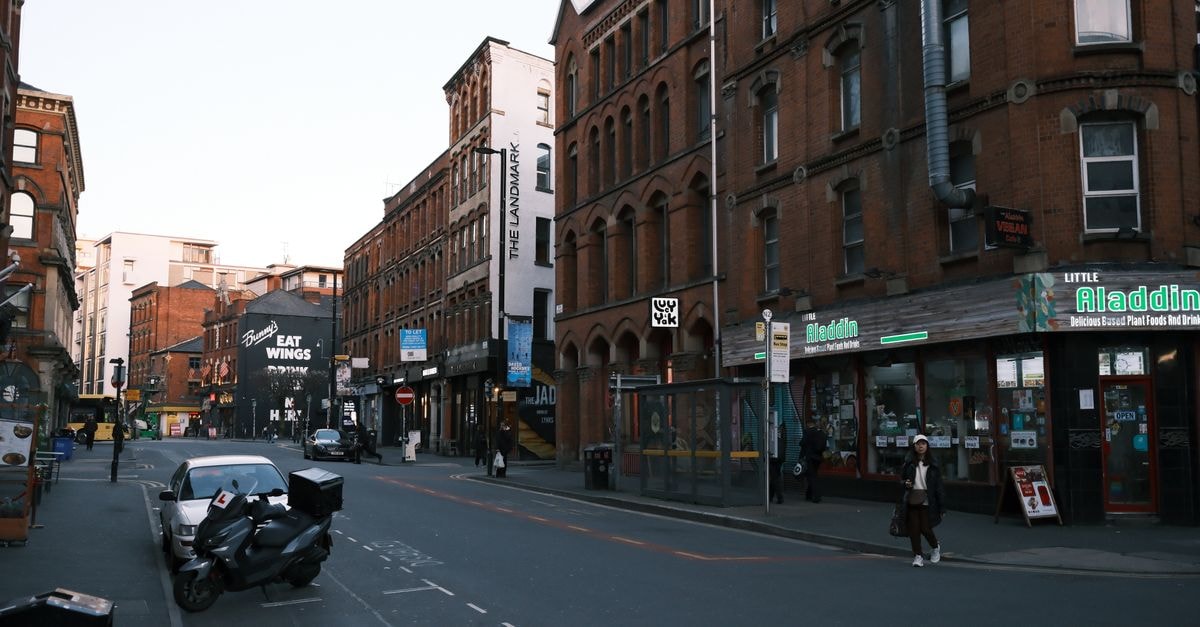
There's something about Oxford that makes people lower their voices. Even before you understand the spires or the colleges, the city has a particular hush, the kind that invites you to walk a little slower and look a little longer. It's a small, dense city built around one of the oldest universities in the world, layered with medieval bones, Victorian ambition and modern student energy, and that collision is exactly what makes it worth visiting carefully rather than rushing through.

Weather and seasonal context
Oxford's weather is less about extremes and more about rhythm. The skies tend to alternate between soft grey and unexpectedly bright, which means a single day can feel like two mild seasons stacked on top of each other. Packing a light layer that handles both a damp morning and a clearer afternoon is generally the smartest move, and so is keeping a small umbrella within reach without treating rain as a guaranteed event. The city reads best on those in-between days, when the stone colleges catch whatever light appears and the river takes on a quieter, more reflective look.
Getting around
Oxford is genuinely compact, and the rewards of walking are high. Most of the central colleges, the museum quarter, and the city's food heart are close enough together that you can move between them on foot in a matter of minutes. The pace is gentle, and you will likely find yourself stopping often, whether to peer through a college gate, read a plaque, or simply watch the city shift character block by block.
When walking stops making sense, the city's local transport offers several options. London Oxford Airport sits within reach and is connected into the wider city by local transport links, which is useful to know if you are arriving or departing by air rather than rail. Oxford Bus Company runs local bus services across the city and out to surrounding areas, including routes to some airports, making it a practical choice for visitors who want to leave the car behind. Public transport information for local, regional and national travel is coordinated through city-level channels, which is a sensible first stop if you are planning a slightly longer stay and want to understand how buses and coaches fit together.
Attractions and planning
Oxford is built around a 2–3 day sightseeing rhythm, and short culture-and-heritage breaks are exactly the kind of trip the city seems designed for. A useful first stop is the official VisitEngland short-break planning page for Oxford and Oxfordshire, which groups the top things to do around food, culture and heritage and helps you see how a visit might fit together without prescribing every minute.
The most iconic anchor is the University of Oxford itself, and guided tours of the colleges are a popular way to understand the architecture, the quadrangles, and the layered history behind the city's famous skyline. Oxford Castle is another established sightseeing stop, typically set aside as a focused visit of around an hour, and offers a different, more medieval chapter of the city's story that contrasts nicely with the dreaming-spires atmosphere.
For art and culture, a circular reading room with a Palladian dome in a central Oxford location and the Ashmolean Museum of Art and Archaeology are the headline stops. The Ashmolean is home to collections ranging from ancient Egyptian artifacts to Pre-Raphaelite paintings, and it operates with free general admission, which makes it easy to drop in for an hour or to spend a half-day exploring properly.
Families and curious minds of any age tend to gravitate toward the Oxford University Museum of Natural History, which sits comfortably alongside the cultural stops and offers a change of pace. The general pattern that emerges is one of dense, walkable clustering, where you can drift between universities, galleries and historic sites without ever feeling like you are in transit.
Food and local context
Oxford's food scene is best understood as a layering rather than a single signature dish. The city's culinary identity is shaped by the overlap of centuries-old college traditions and the more recent influence of migration and modern British cooking, and that collision is where the most interesting eating tends to happen.
The single best first stop for a visitor who wants to taste that layering in one place is the Covered Market in the city center. It is widely considered Oxford's most distinctive food culture hub, and it works as both a quick browse and a proper sit-and-eat destination, with stalls, counters and small kitchens sitting under one historic roof. It is a place where you can move slowly, try a few things, and get an immediate sense of how varied Oxford's everyday food life actually is.
Wider United Kingdom dining customs also drift naturally into Oxford. You'll notice traditional pub culture woven through the city, long Sunday roasts, and tea-and-cake rhythms that feel distinctly British. Afternoon tea, hearty pies, ploughman's boards and gastropub-style menus using local ingredients are patterns visitors are likely to encounter, and they pair comfortably with the slower pace of sightseeing. Rather than hunting for a single must-eat item, it is more rewarding to treat eating in Oxford as a small, unfolding tasting menu across the whole stay, the same way the city itself is best read slowly.
A note on planning
A short visit works best in Oxford when you resist the urge to see everything. The city rewards curiosity, second looks and unhurried meals, and almost every part of central Oxford sits within easy walking distance of the rest. Before you travel, it is worth checking official transport and visitor sources directly, since timetables, opening arrangements and services can change. Treat this guide as a starting frame rather than a fixed schedule, and let the city reveal its quieter corners at your own pace.
---
*Factual travel conditions can change, and official channels should be checked before departure.*
Share this article
TOOLS FOR THIS PLAN
Make the Oxford plan measurable
Choose a tool only when it answers the next question in your trip. Your values stay in the browser, and each tool offers a route back to this planning context.