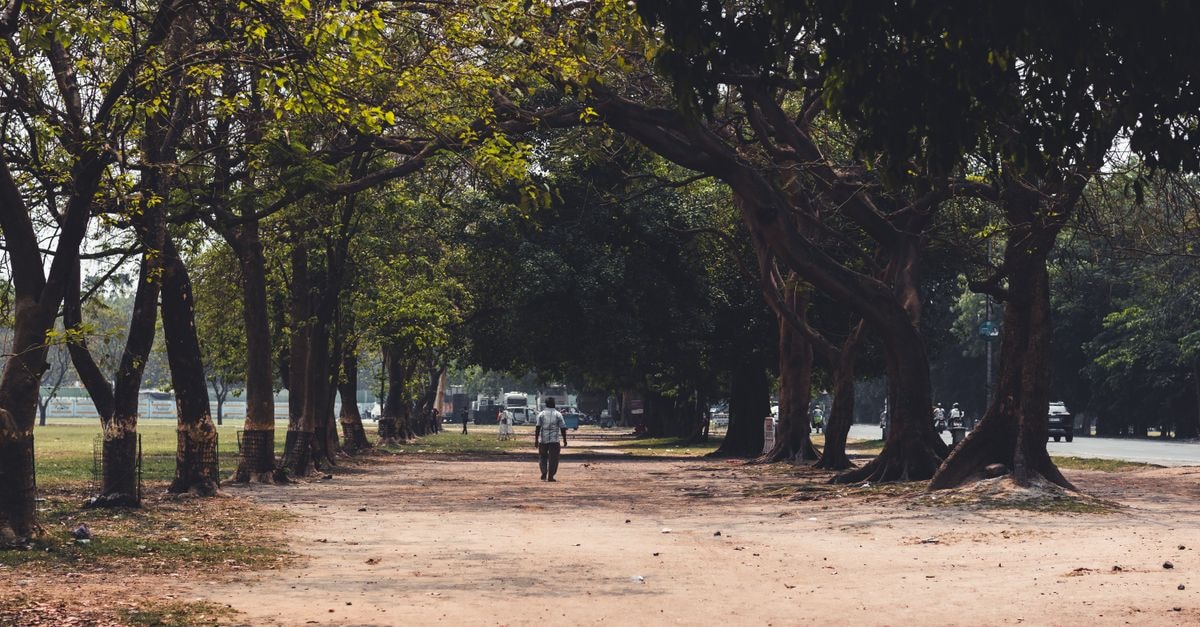
There's a particular kind of calm that settles over a city built around a wide, slow river, and Palangkaraya wears it well. As the capital of Central Kalimantan, this is a place that rewards visitors who come curious about Dayak heritage and the forests beyond the city limits, rather than chasing a checklist of big-ticket attractions. The pace is gentle, the river feels close at hand in most directions, and a short visit can offer a real sense of place.
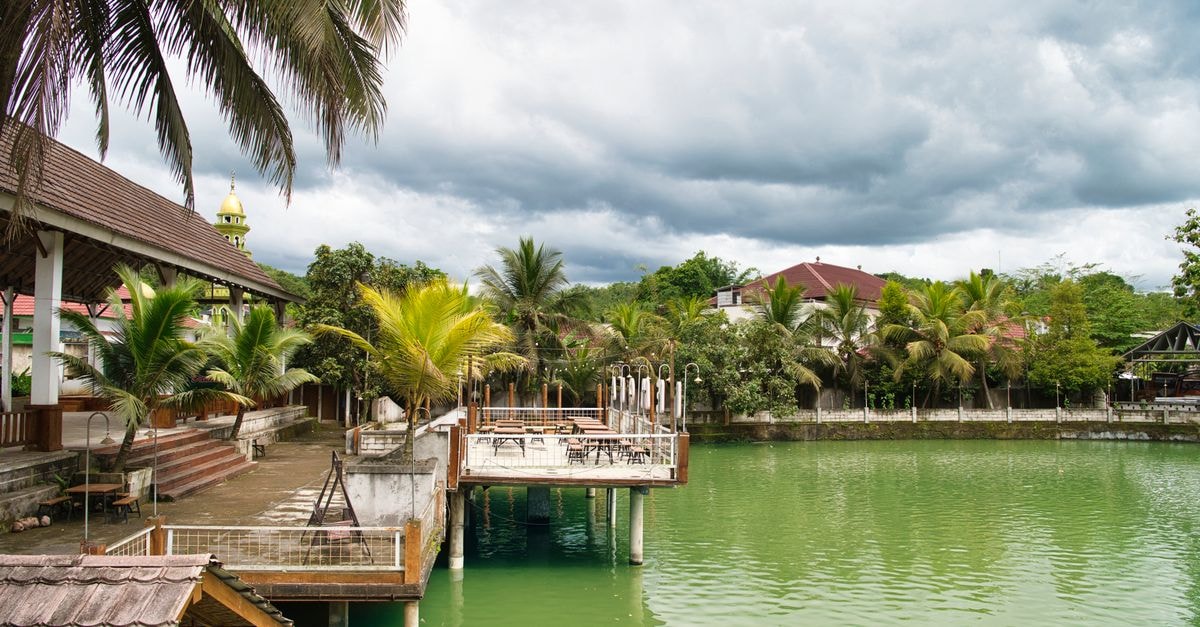
Weather and seasonal context
Palangkaraya sits in a climate where temperatures tend to stay high year-round, with a monthly average around 30°C / 85°F based on historical climate data for the city. Humidity runs noticeably high, so light, breathable clothing, frequent water breaks and shaded pauses tend to make any day outdoors more comfortable.
Wind speeds in the area are generally light, around 5 km/h on average, which can make the heat feel still rather than refreshing. Because humidity is part of everyday life here, pacing the day differently, such as leaning toward early-morning sightseeing and a longer midday rest, often suits travelers who are not used to equatorial conditions.
Attractions and planning
Palangkaraya takes its civic identity seriously: the city's full name, Palangkaraya, is rendered as Honoured and Sacred Great Place, a phrase that hints at the cultural weight its residents place on the riverside capital. The name itself is a useful orientation point, suggesting a city that values heritage, ceremony and the landscape around it, even as modern life moves in.
For visitors who want to understand Central Kalimantan beyond Palangkaraya's street-level present, the Regional Museum of Palangkaraya holds a collection of historical and cultural interest drawn from across the province. It is a natural anchor for a first or second day in the city, especially for travelers interested in Dayak history, regional textiles, ceremonial objects and the wider story of Borneo's interior.
Given how much of Central Kalimantan's identity is tied to its forests and rivers rather than dense urban sightseeing, the museum tends to suit travelers who prefer context, those who like to learn the background of a region before stepping out into it. Visitors with limited mobility or those who prefer to minimize long walks between sights may also appreciate that the museum offers a single indoor setting with plenty of substance, rather than requiring multiple stops across a sprawling city.
Because practical details such as opening hours, ticket windows and English-language availability can shift, consider a quick verification call or message to the museum or your hotel concierge before planning a full day around it.
Food and local context
Central Kalimantan has its own culinary identity, and Palangkaraya is the most obvious place in the province to begin. Local restaurants and food stalls in cities like Palangkaraya are where many of the region's signature dishes can be sampled, making the capital a convenient base for tasting your way into the area's flavors.
Indonesian cuisine more broadly is famously regional, and visitors may notice dishes here that differ from the better-known fare of Java or Bali. Rice, freshwater fish, sago-based snacks and a generous use of aromatic aromatics tend to appear across menus in Central Kalimantan. If you prefer to anchor your eating around what a region is known for rather than international chains, Palangkaraya's food stalls and small restaurants make that easy.
A practical approach is to ask your accommodation which stalls are busiest at meal times, or to follow the local lunch crowd into a warung for a quick, inexpensive plate. Because menus and prices can change, a brief check with staff about what's being served that day is often the simplest way to find a dish that suits your taste and any dietary needs.
Choosing what fits your trip
Palangkaraya is best approached with a clear sense of pace. If your main interest is cultural context and a quieter capital experience, the Regional Museum and a couple of unhurried food stops can comfortably fill a short visit, with time left over to enjoy the riverside setting that gives the city its character. Travelers who want more outdoor time should think about how they will manage the heat and humidity, while visitors who prefer indoor learning and conversation-paced days may find the museum and a few local meals more than enough. The city's character is less about a packed itinerary and more about letting the river, the museum and the regional table set the rhythm.
A note before you go
Factual travel conditions, including climate patterns, museum access and the availability of specific dishes, can change over time. Before you travel, it is worth checking current conditions through official tourism channels, your accommodation or a local contact, so that any details you rely on are fresh and accurate for your visit.
A quick verification question: does the Regional Museum of Palangkaraya currently welcome walk-in visitors, and are there any days or hours when it is closed to the public?
Prices, opening hours, schedules, reservation rules, and local conditions can change; verify them through official channels before departure.
Share this article
TOOLS FOR THIS PLAN
Make the Palangkaraya plan measurable
Choose a tool only when it answers the next question in your trip. Your values stay in the browser, and each tool offers a route back to this planning context.