Opening the door to Wonju
Tucked into the rolling landscape of Gangwon-do, Wonju has the feel of a city that lets you slow your pace without ever feeling sleepy. It is a place where old crafts still have a working address, where rivers and ridges pull you outside, and where a short bus ride from the capital can land you somewhere genuinely different. If you have been looking for a South Korea stop that blends craft, nature and a touch of contemporary design, Wonju rewards the kind of traveler who enjoys stepping into workshops as much as walking trails.
This guide is built for visitors who want a focused, cultural experience rather than a checklist city break. It draws on the most grounded facts available: a national tourism overview of the area, a city-level guide to its attractions, and broader South Korean context for food and customs you may encounter while you are here. Where the evidence only supports a wider national frame, it is clearly framed as nationwide context rather than a Wonju-specific recommendation.
Attractions and planning around the city
Wonju's signature draws cluster into a friendly circuit that can be shaped to your energy on the day. The city is anchored by a string of attractions that mix traditional craft, outdoor scenery and modern design, all described in tourism listings for the area.
Two more landmarks round out the standard city hit list. **Museum San (뮤지엄 산)** brings a contemporary design and art angle to the day, while **Wonju Rail Park (원주레일파크)** turns a stretch of old rail line into a leisurely ride. Together with the **Sogeumsan Grand Valley (소금산그랜드밸리)**, they give Wonju a balanced identity: paper in the morning, art at midday, a rail trail in the afternoon and a valley walk as the day winds down. A tourism overview also points to a museum-market-bridge-night-view-traditional-art thread running through the city, with Wonju-si in Gangwon-do framing the total route.
A practical anchor for all of this is how accessible Wonju is from Seoul. From the **Seoul Express Bus Terminal**, a bus to Wonju takes about an hour and a half, which makes the city workable as either a focused stay or a longer stop along a Gangwon-do loop. Because direct timetable, frequency, and operator information are not specified in the evidence, it makes sense to check the latest bus schedule with the terminal before you go.
Where to eat and the food culture you may meet
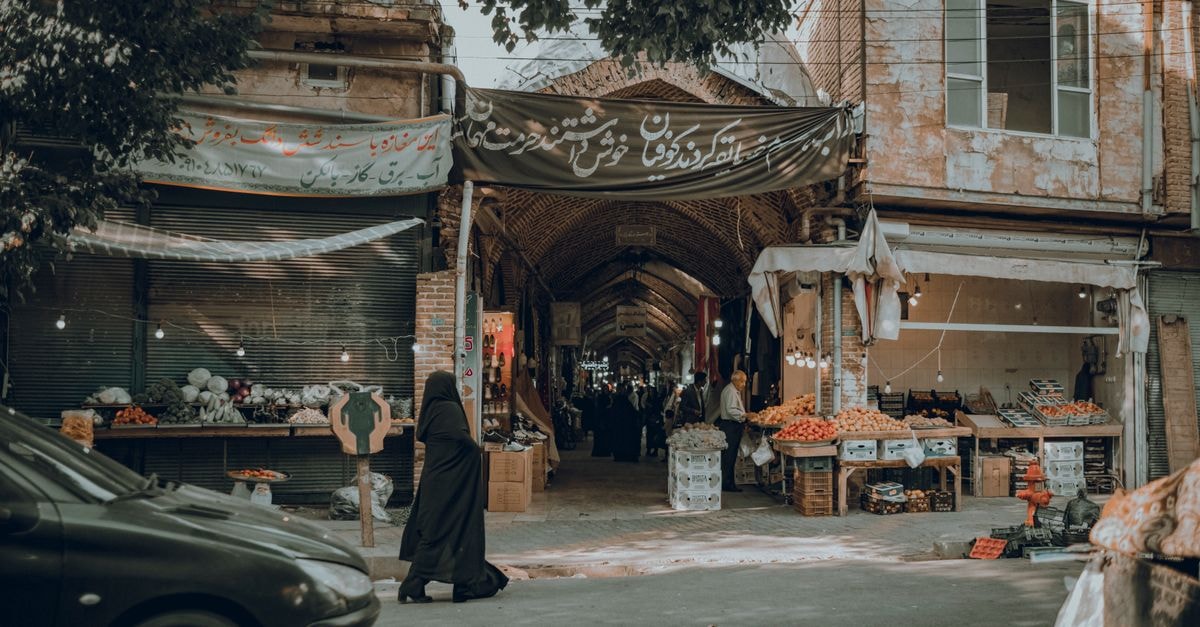
Wonju's well-known place to eat, according to the city-level guide, is **Wonju Jungang Market (원주중앙시장)**. Traditional markets are where Korean cities tend to show their everyday character, and a central market is often a good way to try local snacks and simple meals in one place without committing to a sit-down restaurant. If you enjoy grazing rather than ordering a single dish, this kind of market may suit the way you like to eat. Travelers who prefer quieter settings or set menus may want to think about pacing a market stop earlier in the day, when stalls are lively but the flow is easier to navigate.
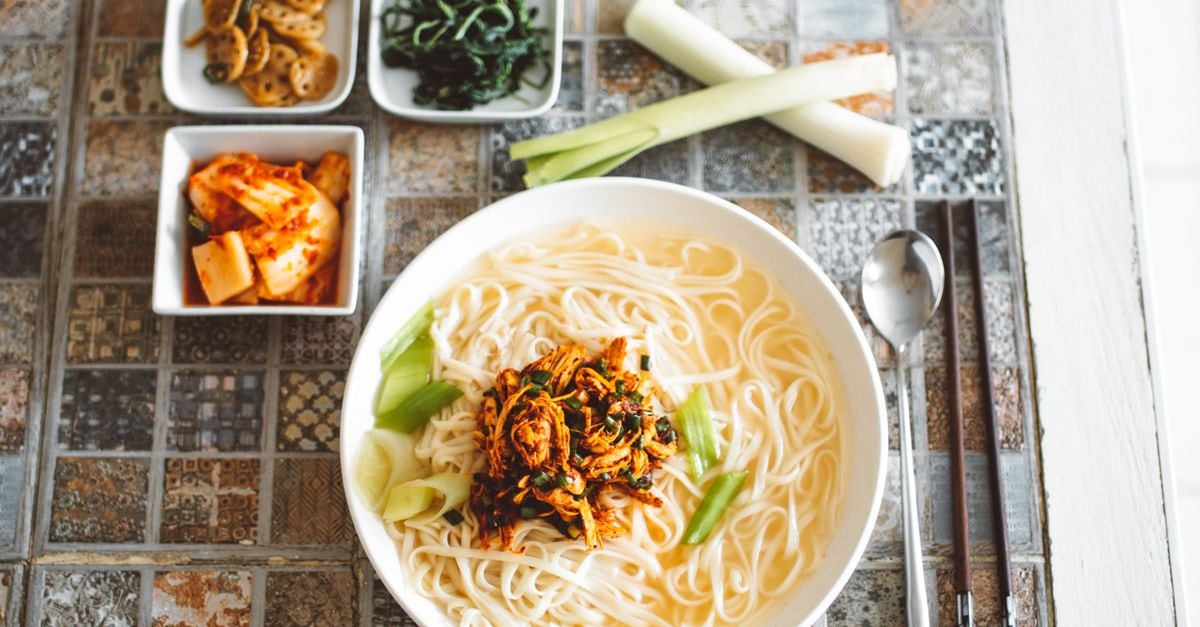
It helps to read the city's food scene against the wider South Korean table. Korean cuisine is largely based on rice, vegetables, seafood and, at least in South Korea, meats, which means the everyday rhythm of meals around the country leans toward shared banchan, soups and grilled or stir-fried dishes rather than single large plates. As a visitor in Wonju, you will likely encounter that same national shape on the table, though what any one stall serves on a given day is not something this guide can confirm from its sources. Treat this as a gentle orientation rather than a guarantee of what any one market or restaurant offers at the moment you arrive.
Choosing what fits the way you travel
A short, practical note for shaping your day. Wonju's circuit is modular, so the order can be set by mood. If craft and design are the draw, begin at the **Hanji Theme Park**, let **Museum San** carry the afternoon, and finish with a gentle evening in or near the central market. If nature leads the trip, place the **Sogeumsan Suspension Bridge Trail** and **Sogeumsan Grand Valley** at the center of the day, with **Wonju Rail Park** as a relaxed cap and the market for dinner. Travelers who want a quieter, less schedule-driven visit may prefer to pick two anchors rather than chase all five, since the available evidence confirms the list rather than the exact time each stop demands. Use the bus link from Seoul as your timing reference, not the other way around, and leave room for the kind of slow wandering that markets and hanji workshops tend to invite.
A quick verification note before you go
Wonju's attractions are well described in tourism sources, but specific opening days, ticketing details, and the exact experiences available inside the Hanji Theme Park or on the rail park are not spelled out in the evidence behind this guide. Before you travel, it is worth checking the official Wonju Hanji Theme Park page or the city's tourism information for current operating details, and confirming the latest Seoul–Wonju bus timetable at the terminal or carrier site. Factual travel conditions can change, and official channels should be checked before departure. Currency and payment habits are not covered by this guide's evidence; use the live exchange rate as a reference only, and verify accepted payment methods on the ground.
Share this article
TOOLS FOR THIS PLAN
Make the Wonju plan measurable
Choose a tool only when it answers the next question in your trip. Your values stay in the browser, and each tool offers a route back to this planning context.