Slate rooftops tumble down the hillside in Gjirokastër the way they do in very few places in the Balkans, and the first walk from the upper town toward the bazaar is the moment this city starts to make sense. The grey stone that gives the skyline its texture is the same stone you find underfoot on the cobbled lanes, in the walls of the old houses, and in the fortress that watches over everything from above. It is the kind of place that reads better at walking pace than from a tour bus window, and the people who tend to enjoy it most are travelers who built their trip around a heritage loop rather than a checklist of coastal stops.

A city shaped by stone and altitude
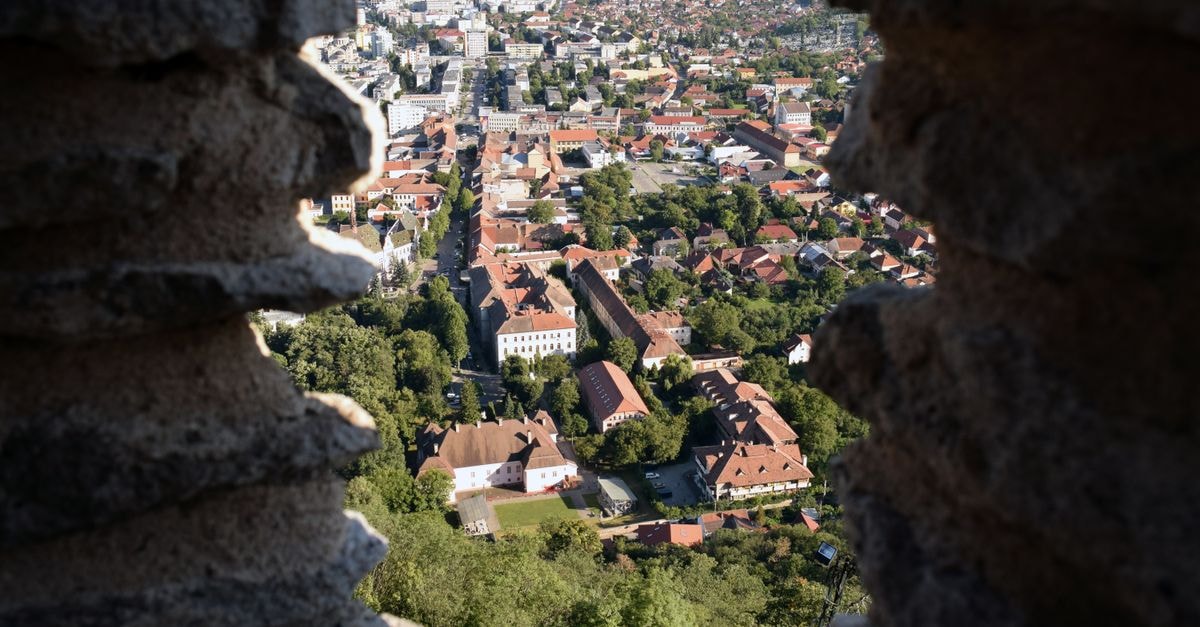
Gjirokastër sits in a valley framed by mountains, and the terrain does most of the visual work before you have even reached the historic core. The old centre climbs upward in tiers, with traditional stone houses stacked one above the next and grey-tiled roofs layered like shingles against the slope. That distinctive roofscape is part of the reason the Ottoman historic centre has earned UNESCO World Heritage status, and it is also why the town feels more like a small open-air museum than a typical city stop. The name itself, "Silver Fortress," is a clue to the defensive role the elevated position has played for centuries, watching over the routes that historically connected Epirus, inner Albania, and Greece.
Because so much of the sightseeing involves climbing between terraces, lanes, and stairways cut into the hillside, travelers who prefer flat promenades over elevation changes may find the rhythm of a Gjirokastër day slightly more demanding than the photos suggest. Travelers who already enjoy slow, walkable old towns with lots of texture will probably feel right at home on their first afternoon here.
Choosing what fits your trip
Gjirokastër is not a quick photo stop you bolt onto a Riviera drive; it rewards travelers who treat it as a base rather than a waypoint. Travelers building a wider southern Albania heritage trip might appreciate pairing Gjirokastër with Berat on a longer inland loop, while travelers already spending time on the coastal Riviera may find that dedicating at least a couple of slow days to the city itself beats rushing through it on the way elsewhere. Either way, a single rushed afternoon usually leaves the best parts unexplored, and the city tends to suit people who can give it room to breathe.
Getting around and finding your footing
The compactness of the historic core is one of Gjirokastër's quiet advantages. Because the old town is layered vertically on a hillside, most of the daily movement happens on foot, with the upper fortress, the bazaar quarter, and the residential lanes connected by stepped paths and narrow stone streets rather than main roads. That vertical layout can feel steeper than it looks on a map, and visitors who would rather minimize hill climbing can plan their day by starting with the lower bazaar area and working gradually upward so the gradient feels easier on tired legs.
The city's elevated position has long shaped how it is approached as well as how it is walked. As a historic crossroads controlling routes between Epirus, inner Albania, and Greece, Gjirokastër sits within a wider network of mountain passes that have always rewarded travelers with the sense of arriving somewhere rather than passing through. For practical planning, that means it helps to think of arrival and departure as part of the experience rather than as logistical interruptions, especially if you are coming overland from other parts of southern Albania or from the coast.
Where the city opens up
The combination of a mountain-backed valley and a hillside setting gives Gjirokastër a layered backdrop that changes subtly through the day. Mornings tend to read cooler and softer over the stone, while later hours bring warmer tones against the roof tiles and a clearer sense of how the mountains frame the valley floor. Because the fortress sits at the highest point of the historic area, going up early in the day often means softer light on the skyline and an easier walk before the mid-afternoon sun warms the steep lanes.
Travelers who enjoy sweeping valley views should plan a small time buffer for the higher viewpoints, since the same elevation that delivers those panoramas also makes every step count. Visitors who would rather soak up atmosphere than chase vistas can stay in the lower lanes, where the bazaar and the traditional stone houses reward aimless wandering as much as any formal sightseeing.
Heritage at a gentle pace
What makes Gjirokastër unusual among Albanian destinations is the way preservation and daily life sit so close together. The Ottoman-era centre is best explored slowly, partly because the same stone that makes it photogenic also makes the surfaces uneven underfoot, and partly because the most interesting details tend to hide in doorways, courtyards, and the edges of lanes you only notice when you are not hurrying. Travelers interested in architecture and vernacular building traditions will find a lot to look at in the old houses themselves, while visitors drawn to living bazaar culture can settle into the lower quarter and let the afternoon unfold around them rather than ticking off a route.
Because the city sits within a wider southern heritage network, travelers building a multi-stop trip will find that Gjirokastër pairs naturally with other inland heritage towns on a heritage loop, and also with Riviera bases further west if your trip already includes coastal time. Treat the city as the kind of place that improves the longer you stay, and the stone starts to feel less like a backdrop and more like an introduction.
A few practical notes before you go
A handful of simple habits will help any visit feel smoother. Wear footwear with real grip, since the cobbles and stepped lanes get slippery in damp conditions and reward shoes that can handle uneven stone all day. Carry a light layer even on warm days, because the hilltop setting can feel cooler than forecasts suggest once the sun drops behind the mountains. Allow buffer time for the climb up to the fortress rather than racing against a bus or a meeting point, and plan your heaviest sightseeing for the hours when you have the most energy, since the elevation changes add up faster than the walking distance alone implies.
It also helps to keep a small amount of cash on hand for the bazaar quarter, where independent shops and small stalls are part of the texture of the city, and to confirm current opening hours and any ticketed sites directly with official channels before your visit, since schedules and conditions can shift. Factual travel details, from local transport availability to site access, can change at short notice, so a quick check through the official tourism channels and local information points before you set out will help the trip go the way you planned.
Share this article
TOOLS FOR THIS PLAN
Make the Gjirokastër plan measurable
Choose a tool only when it answers the next question in your trip. Your values stay in the browser, and each tool offers a route back to this planning context.