Panjim is the kind of capital that rewards a wandering pace. The old quarter feels almost Mediterranean, with its pastel houses, narrow lanes and a centuries-old quarter that locals still call the Latin Quarter. Set along the winding Ourem creek, the city mixes Portuguese-era architecture with everyday Goan life, and the best way to settle into its rhythm is to let your feet do most of the work before sitting down to a long, unhurried meal. This guide keeps things practical: how to move through the city and how to approach food with the curiosity it deserves.
Getting around
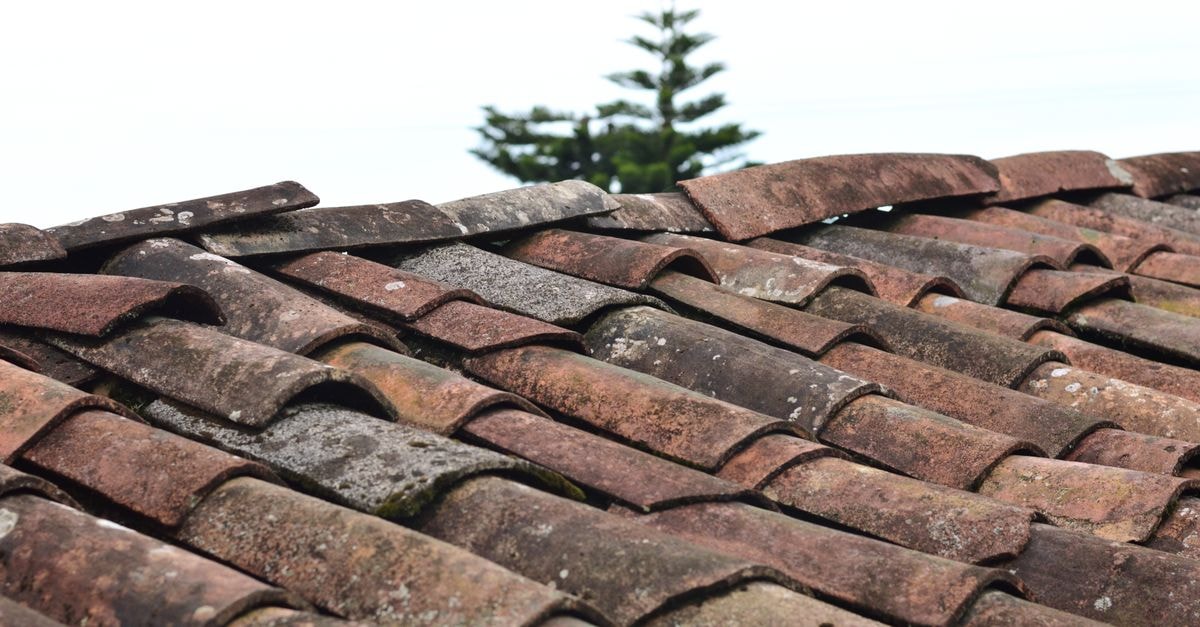
Panjim is compact and walkable in its central stretches, especially around the Latin Quarter. One of the defining experiences of a visit is climbing up to a viewpoint that looks out over the red-tiled rooftops of the Latin Quarter and the winding Ourem creek below. That single sight tends to reframe the rest of the day, because it turns the maze of lanes you have been threading through into a clear, satisfying pattern from above. Travelers who enjoy a brief ascent for a sweeping city view may want to plan a slow morning around this stop, since the visual payoff is the kind of memory that lingers after the trip is over.
For shorter trips across town, there is a transport option that feels distinctly local: licensed motorcycle taxi pilots. These single-passenger riders can be flagged down on the street and are typically used for quick, inexpensive rides. If you prefer to stay flexible and avoid haggling for a longer fare, a pilot can be a useful way to bridge the gaps between the creek-side lanes and the busier commercial roads. Travelers who like to weave walking and short rides together rather than rely on a single mode may find this combination especially well suited to Panjim's compact layout.
A few practical notes worth keeping in mind. The Latin Quarter and the surrounding lanes are easiest on foot, so comfortable shoes matter more than a packed itinerary. When the sun is strong, a hat and water help, and the uphill approach to the viewpoint rewards a slower pace. The motorcycle pilots are useful precisely because Panjim is small: a 10-minute walk in many cities becomes a five-minute ride here, and the saved energy can go toward another meal, another lane, or simply sitting by the creek.
Food and local context
Food in India is a serious cultural thread, and Panjim sits inside that larger weave. Across the country, regional cuisines carry their own flavors and traditions, and meals are rarely just fuel. They are tied to rituals, festivals and the way people gather. Visitors who approach eating here as a way to read the city, rather than simply a break between sights, tend to have richer days. That is the spirit worth bringing to Panjim: a willingness to sit longer, ask questions and notice how a place treats its food.
Choosing what fits the trip
Two tradeoffs tend to shape how a Panjim day feels. The first is between effort and reward at the viewpoint: the climb to the top is real, and travelers who prefer to minimize steep ascents may want to save it for a cooler part of the day, while those who love a city panorama will find the tiled rooftops and creek view well worth the steps. The second is between independence and structure on the move. Walking plus flagged-down motorcycle pilots works beautifully for curious, flexible travelers who like to change plans on the fly, but visitors who prefer a fixed route with predictable transport may want to think about how they will bridge the longer distances between the old quarter and the busier parts of town before they arrive.
A useful middle path is to anchor the day around one slow experience, such as the viewpoint and a long meal afterward, and let the rest of the hours fill in lightly. That rhythm suits travelers who value depth over checklist travel and who are happy to let a city reveal itself at its own pace.
A note on verifying details
Practical travel conditions in any city can change, and Panjim is no exception. Before heading out, it is worth a quick check on current transport options, viewpoint access and any local guidance, since the experience of moving through the city is shaped by small, shifting details. Treat this guide as a starting point, then confirm the specifics on the ground.
---
*Factual travel conditions can change; always check official channels and current local information before departure.*
Share this article
TOOLS FOR THIS PLAN
Make the Panjim plan measurable
Choose a tool only when it answers the next question in your trip. Your values stay in the browser, and each tool offers a route back to this planning context.