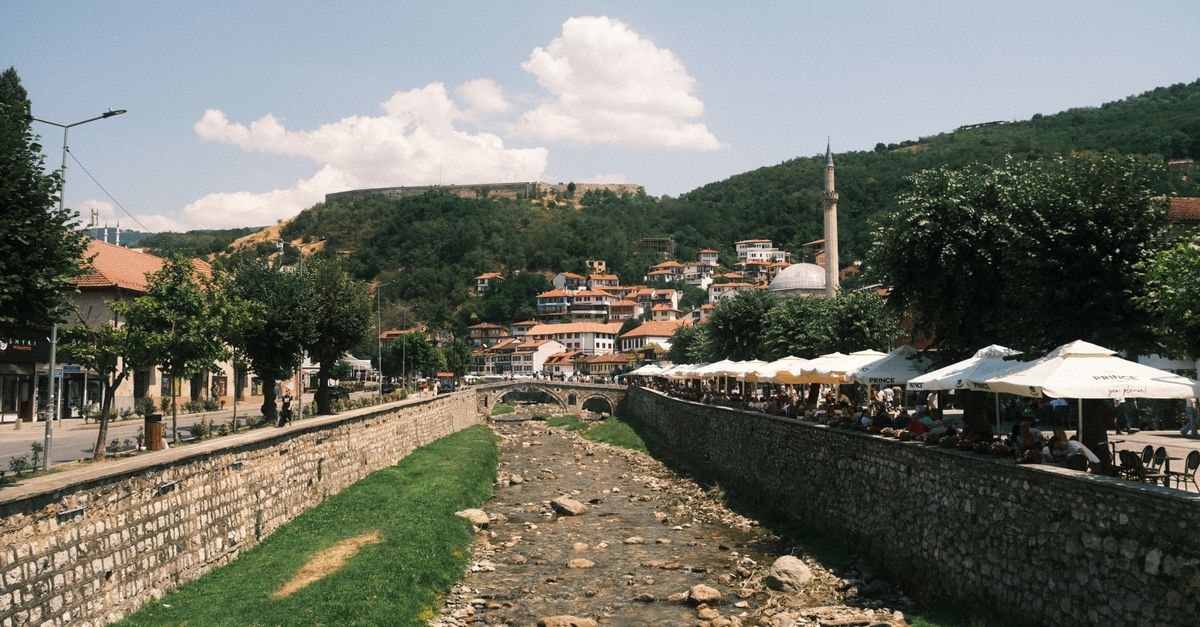
A first look at Peja

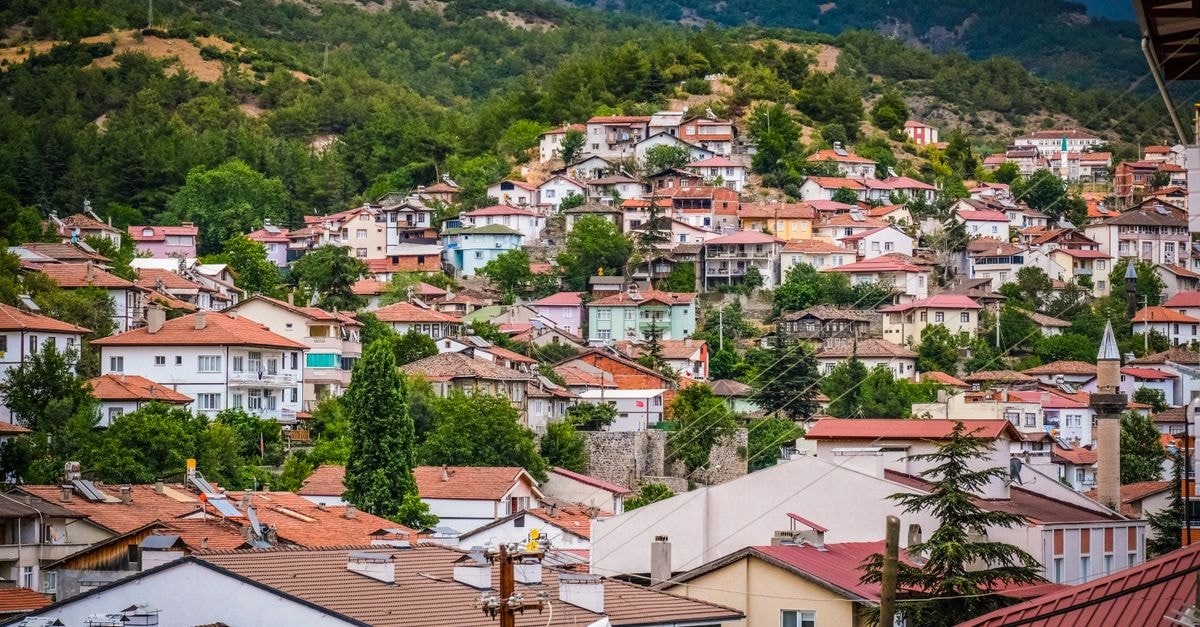
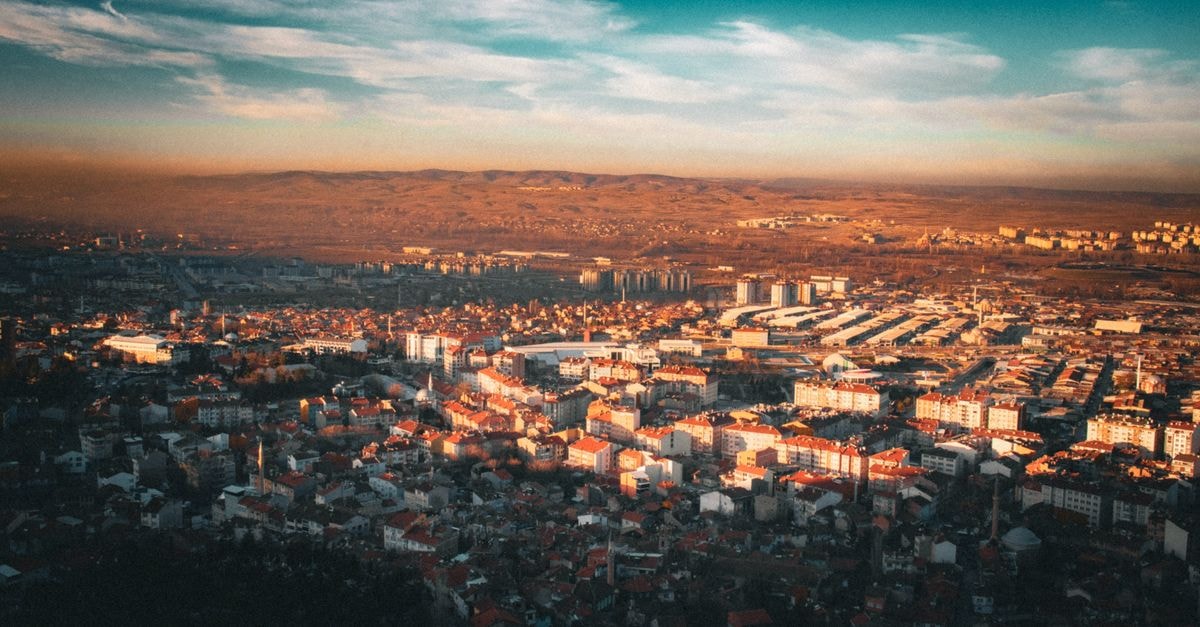
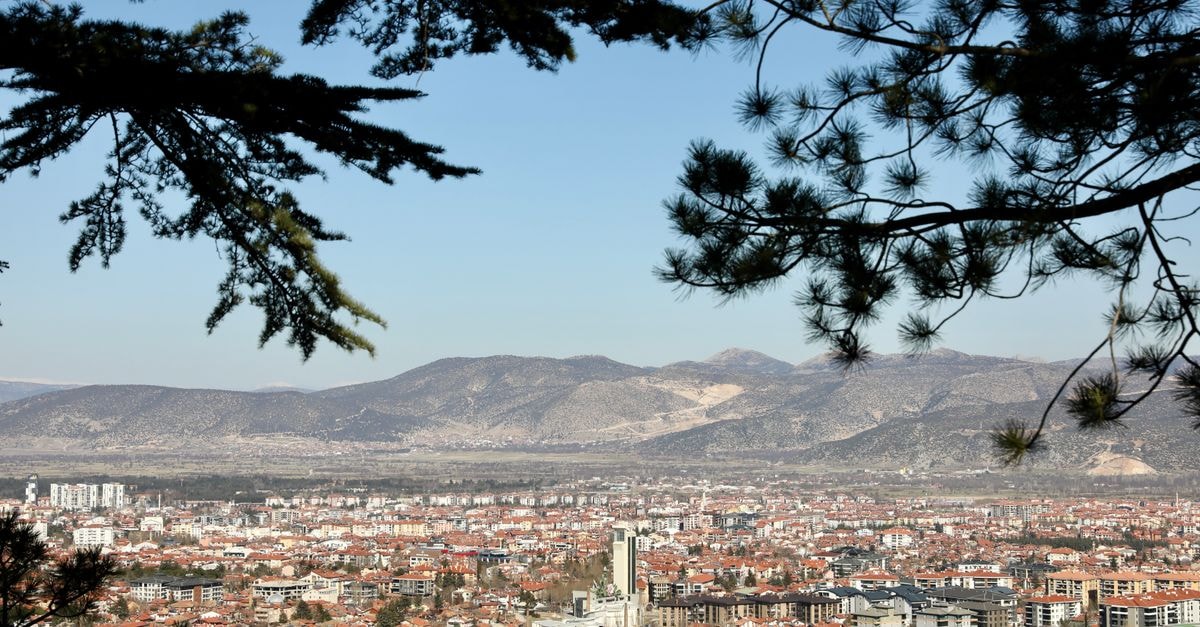
Tucked against the foothills of the Rugova mountains, Peja carries the quiet confidence of a city that has long served as a gateway to some of Kosovo's most striking landscapes. The cultural weight of the place is immediate: centuries-old churches, monasteries, and a heritage that locals tend to talk about with a quiet pride. At the same time, the surrounding peaks feel close enough to shape the way the city breathes, with mornings that often carry the cool clarity of mountain air and afternoons that invite an unhurried walk through the older quarters.
Peja appeals to travelers who enjoy layering their trips: a slow coffee in the center, a heritage site by midmorning, and an afternoon that ends with the horizon turning blue and green as the mountains rise. The city reads as compact and walkable for its core, while the wider region opens up for those drawn to alpine landscapes and outdoor time. It suits visitors who prefer depth over checklists and who are happy to let the day unfold around a few strong anchors.
If you are drawn to places where cultural heritage and natural scenery meet without one overshadowing the other, Peja offers exactly that balance, and the rest of this guide unpacks what that looks like in practical, evidence-led terms.
Weather and seasonal context
Peja's position at the foot of the mountains gives it a climate shaped by altitude. In the city itself, conditions can feel warmer and more sheltered, while a short journey toward the peaks tends to bring noticeably cooler air, sharper light, and the kind of breeze that makes a light layer worth packing. Across the year, temperatures shift between mild, warmer periods in the heart of summer and colder, often quieter stretches in winter. Rain tends to arrive in pulses rather than long downpours, and the surrounding alpine landscapes read very differently depending on whether the ground is dry, freshly green, or dusted with the season's first snow.
For travelers, the practical takeaway is gentle rather than absolute: pace the day so the heaviest activity happens when you feel most comfortable outdoors, keep a layer accessible for the shift between city streets and mountain viewpoints, and treat the weather as a feature of the trip rather than an obstacle. The mountain climate is part of what makes Peja feel the way it does, and the changing light across the day is one of the quiet pleasures of spending time here.
One small note for the heritage-focused traveler: a few of the most significant sites in the region, including the four conjoined 13th- and 14th-century churches that house some of the finest surviving Byzantine-era frescoes in the area, are best appreciated when the light is softer and the crowds are thinner. Visiting early or later in the day tends to reward patience, though exact opening arrangements vary and are worth confirming locally before you set out.
Getting around
Moving through Peja tends to feel straightforward, especially once a few practical anchors are in place. The city has a well-developed banking footprint, and ATMs are plentiful, with Raiffeisen and ProCredit cited as reliable options for cash withdrawals when needed. For visitors who prefer not to carry large amounts, this removes one common source of trip-day friction.
On a more everyday level, tap water in Peja is drinkable and is described as famously high quality, sourced from the White Drin and the Rugova mountains. For travelers who like to refill a bottle rather than buy single-use plastic, this is a meaningful convenience and one that aligns well with longer days spent moving between heritage sites and outdoor viewpoints. It also pairs naturally with the city's identity as a gateway to mountain landscapes, since the same water system feeds into the wider region.
For orientation and trip planning, Peja has a Tourist Information Center whose role is to share information about what to do in and around the city. Travelers who enjoy arriving with a loose plan and refining it on the ground may appreciate starting a visit there, both to gather local context and to pick up materials that reflect what is currently emphasized as a cultural or natural heritage. Local information counters also tend to be a good place to ask about seasonal conditions, current events, and the practicalities of reaching specific sites.
Attractions and planning
The attraction set in and around Peja leans heavily on two themes: deep cultural heritage and dramatic alpine scenery, with the two often blending within a single day. The city's standing as a cultural anchor is well established locally, with a large number of cultural and natural heritage sites within reach. Heritage-focused travelers may want to prioritize the older religious complexes first, both for their historical weight and for the way they set up everything that follows.
Among the most distinctive cultural stops is a complex of four conjoined churches from the 13th and 14th centuries. These churches contain some of the finest surviving Byzantine-era frescoes in the region, and they tend to be the kind of place where a slower visit reveals more than a quick stop. Travelers with a strong interest in medieval religious art and architecture may find this site worth building a morning around, while visitors with less interest in the genre may prefer to give it a shorter visit and move on to the surrounding landscape.
The natural side of Peja is just as compelling. Alpine hikes through mountain landscapes and around mountain lakes offer sweeping views that stretch across Kosovo, Albania, and Montenegro on clear days. For travelers who enjoy combining cultural mornings with outdoor afternoons, this is one of the city's defining pleasures. The contrast between frescoed stone walls in the morning and open ridgelines by mid-afternoon is part of what makes a Peja itinerary feel layered rather than repetitive.
Because outdoor conditions can shift with elevation and time of day, consider building in flexibility rather than packing the schedule tightly. Outdoor travelers who prefer gentler gradients may want to ask locally about lower-elevation routes that still offer the alpine feel, while more experienced hikers can use the information center as a starting point for current trail guidance.
Choosing what fits your trip
The strongest case for Peja is its ability to combine cultural depth with alpine scenery in a single, compact base. If your priority is heritage, the medieval churches and frescoes will anchor your days, and you can use the slower pace of the city to read, reflect, and revisit favorites. If your priority is the outdoors, the mountain lakes and ridgelines offer a level of visual reward that matches much longer journeys elsewhere, and the city's amenities keep logistics simple.
Travelers who like to combine both tend to get the most out of Peja by giving each day one clear anchor, either a heritage site or a trail, and leaving room for the other to surface naturally. Those who prefer to focus narrowly on one interest will find Peja generous in either direction, without the need to chase a long checklist to feel satisfied.
A note before you go
Factual travel conditions can change, and details such as opening hours, trail access, and on-the-ground services are best confirmed through official channels and the local Tourist Information Center shortly before departure. Treat this guide as a starting framework rather than a fixed plan, and let local advice refine the details once you arrive.
Share this article
TOOLS FOR THIS PLAN
Make the Peja plan measurable
Choose a tool only when it answers the next question in your trip. Your values stay in the browser, and each tool offers a route back to this planning context.