Why Pétion-Ville feels different from the capital below

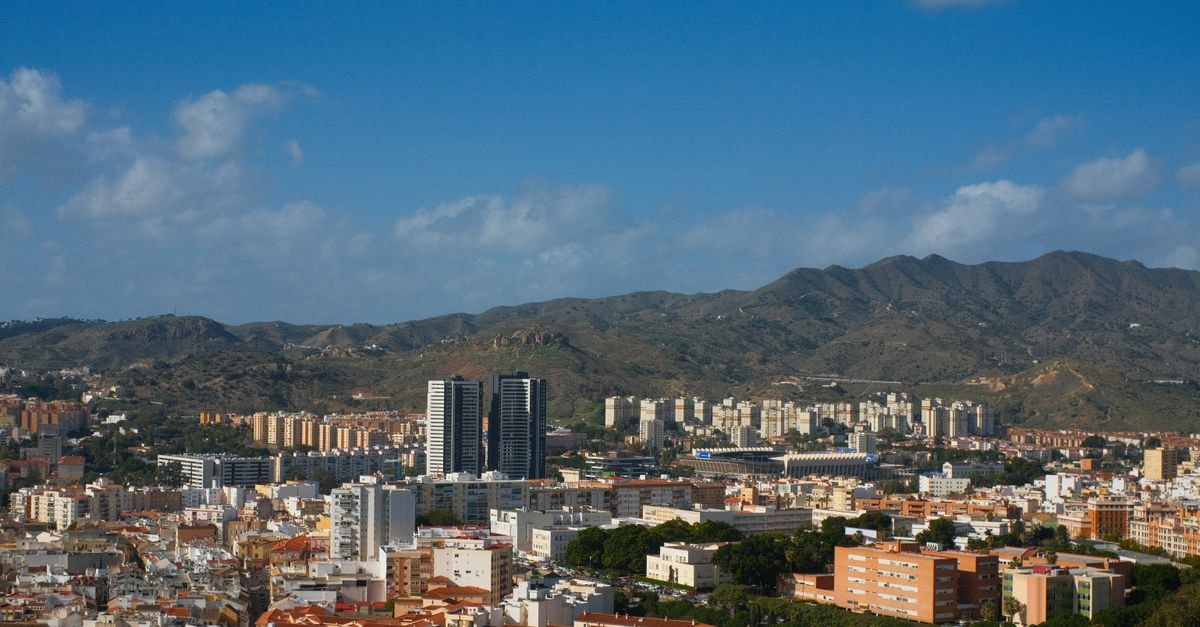
Cradled in the foothills of the Massif de la Selle and set roughly 470 metres above sea level, Pétion-Ville has long carried the air of a quieter, more polished counterpoint to Port-au-Prince. The suburb sits to the southeast of the central capital, and that single geographic detail reshapes almost everything a visitor notices on arrival: the light feels a little softer, the pace loosens, and the everyday rhythm reads as cosmopolitan rather than purely local. Pétion-Ville is consistently described as a lively and affluent suburb overlooking the Haitian capital, and that combination of energy and elevation is the first thing to lean into when planning a visit.
There is also a cultural texture worth pausing on before any practical decisions. The neighbourhood blends Haitian tradition with cosmopolitan flair, supporting a lively cultural scene that has drawn both locals and international residents for decades. That atmosphere is part of why the area developed a reputation for restaurants and a busy nightlife in the first place, and it remains a defining characteristic for visitors who arrive curious about the social side of Haitian urban life.
Weather and seasonal context
Climate is where Pétion-Ville most clearly distinguishes itself from the rest of the metropolitan area. The roughly 100-metre elevation gap from central Port-au-Prince translates into a microclimate that is typically several degrees cooler than the city below, a detail that explains why French colonial administrators originally established the suburb in 1831 as a hot-weather retreat for the colonial elite. For today's traveller, the practical takeaway is simple: Pétion-Ville can feel noticeably more comfortable than the capital during warm stretches of the year, which often nudges visitors to pace their days a little more generously and to take advantage of the cooler evenings.
Because Pétion-Ville is an affluent suburb, the immediate surroundings include gated residential pockets and a generally more secure feel than other parts of the metropolitan area. That said, the broader safety picture is mixed: the suburb is targeted for crime because of its wealth, and travellers are well advised to be selective about where they go, particularly after dark. Staying within secure and well-frequented zones, arranging trusted transport in advance and keeping a low profile with valuables are all standard considerations for anyone spending time in the area. Treat any safety framing as context to inform your own judgement rather than a complete risk assessment, and check official travel advisories before you travel.
Getting around
Moving through Pétion-Ville is best thought of as an extension of how you move through the wider Port-au-Prince region rather than a self-contained local system. The suburb's wealth shows up in its transport habits: many of the restaurants and nightlife venues draw large expat crowds, which means traffic patterns, ride availability and informal transport options are heavily shaped by that international presence. Private drivers and arranged transfers are the most predictable way to navigate between Pétion-Ville, central Port-au-Prince and any nearby points of interest, especially in the evenings when the dining and entertainment scene is at its busiest.
For first-time visitors, the orientation point is simple. The suburb sits to the southeast of the capital, climbing into the hills above it. If you are staying in Pétion-Ville and want to reach central Port-au-Prince, you are heading downhill; if you are coming from the city centre to dine or socialise in Pétion-Ville, you are heading up into the cooler air. That single mental map, downhill to the capital and uphill to the suburb, makes every other decision about getting around easier to frame.
Because the source material does not detail specific routes, schedules, fares or operator names, it is worth treating those practicalities as something to confirm locally or through your accommodation once you arrive. The general rhythm, an affluent suburb with a busy restaurant and nightlife scene, served by informal and private transport, is well supported, while finer transport details are not.
A practical rhythm for your stay
Putting the geography, climate and transport realities together, a comfortable visit to Pétion-Ville usually settles into a familiar pattern. Mornings can be used for any business in the broader capital, with the knowledge that returning uphill to Pétion-Ville offers a cooler reset. Late afternoons and evenings are when the suburb's restaurant and nightlife energy comes most alive, which is also when being deliberate about transport matters most.
A few evergreen principles keep the experience smooth. Build flexibility into your schedule rather than packing every hour. Treat the elevation difference between Pétion-Ville and Port-au-Prince as a comfort advantage and plan around it. Keep your movement between well-known, secure zones, and rely on trusted local advice for anything that falls outside the most established venues. Above all, let the suburb's blend of Haitian and cosmopolitan character shape your plans, whether that means lingering over a long dinner, exploring the cultural offerings or simply enjoying the cooler evening air that has drawn visitors to these hills since the nineteenth century.
This guide reflects durable characteristics of Pétion-Ville rather than any specific travel window. Conditions on the ground can change at short notice, and official travel advice, local contacts and your accommodation should always be checked before you finalise plans.
Prices, opening hours, schedules, reservation rules, and local conditions can change; verify them through official channels before departure.
Share this article
TOOLS FOR THIS PLAN
Make the Petionville plan measurable
Choose a tool only when it answers the next question in your trip. Your values stay in the browser, and each tool offers a route back to this planning context.