A City That Greets You Head-On

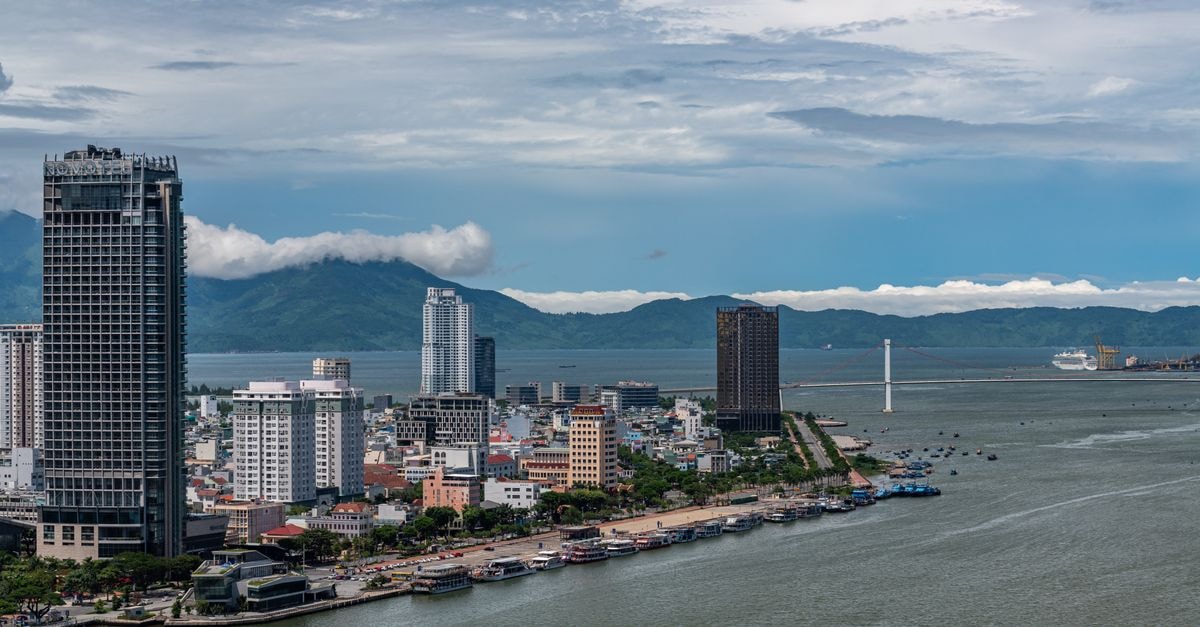
Port-au-Prince does not ease you in gently. It arrives in layers: the diesel-scented air, the metallic clang of taptaps sliding downhill, the sweet haze of overripe mangoes drifting out of corner stalls. The capital spills from mountain ridges straight down into the warm, turquoise-tinged Gulf of Gonâve, and that vertical geography gives the city a particular kind of energy — uphill climbs that test the legs, downhill views that pause the breath, and a sense that everything is in motion at once. Walking here feels less like sightseeing and more like being folded into a living, breathing place that has its own rhythm.
This guide is built for travelers who want a real introduction to Port-au-Prince — the kind that respects the city's character without overselling it. The two threads we can pull on with confidence are the city's most recognized landmarks and its food culture, so the focus stays where the evidence is strong.
Attractions and Planning
The capital's geography is part of the experience. Because the city cascades from the mountains toward the gulf, even a short walk can feel like a small expedition, and the visual reward keeps shifting between hillside panoramas and bay views. That single fact — the way Port-au-Prince drops from ridgeline to sea — quietly shapes how visitors pace themselves.
One of the most distinctive stops is the National Pantheon Museum, also known as MUPANAH, which sits on the Champ de Mars plaza. The building is intentionally half underground, a design choice tied to the region's earthquake history. There is something memorable about that detail: a museum that, on its very surface, acknowledges the ground it stands on and the forces that shape life in Haiti. The plaza setting also places it at a natural civic crossroads, where visitors can feel the pulse of central Port-au-Prince before stepping inside.
Planning around landmarks in Port-au-Prince is less about strict timetables and more about rhythm. The lower church square is a practical place to hire a local guide if you want help navigating the city, reading its streets, and getting more from the visual stories around you. A guide here is not a luxury add-on but a useful translator of context — of how the city folds together its history, its daily commerce, and its public spaces. Travelers who prefer to wander on their own will still find plenty to absorb, but those who want depth usually find that having someone local to walk with makes a real difference.
The city's atmosphere is famously direct. Visitors often describe the first impression as a wave of sensations — sound, color, scent — arriving all at once. That can feel exhilarating to some and intense to others, and both reactions are valid. The most useful way to approach a day here is to pick one or two anchors, leave breathing room in between, and let the city fill in the rest. There is no need to rush through a checklist; Port-au-Prince rewards the visitors who slow down enough to let it speak.
Food and Local Context
If there is one thing Port-au-Prince does not do quietly, it is eat. The capital's food culture is famously bold, and visitors who arrive curious leave fuller than they planned. Haitian cooking carries a confidence that comes through in every plate — seasoned thoroughly, cooked with intention, and served with pride. This is not a city that softens its flavors for outsiders; it welcomes visitors into its own way of doing things, and that is part of the appeal.
The first dish worth knowing is griot, and it is a near-universal introduction to Port-au-Prince's culinary heritage. Griot is pork shoulder that begins its life in a marinade of bitter orange and lime, soaked overnight so the citrus can do its slow, patient work. The pork is then boiled until it is just barely holding together, and finally crisped in hot oil until the edges catch and the inside stays tender. The result is a dish that carries both brightness and depth — sharp citrus on the nose, deep savory satisfaction on the tongue. It is the kind of food that explains itself as soon as you taste it.
Beyond griot, the wider picture of Haitian cuisine shows up easily in Port-au-Prince. The country's cooking draws on tropical produce, fresh seafood, and a long tradition of slow-cooked, well-seasoned staples. Within the city itself, this translates into remarkable culinary diversity — markets and kitchens pulling from coast, mountain, and farmland all at once. Visitors with an appetite for exploration can find both everyday plates and more elevated preparations, often within the same neighborhood. The variety is part of the point.
Because food is so central to how the city expresses itself, it is worth treating meals here as small cultural moments rather than quick refueling stops. Sitting down, even briefly, and watching how Port-au-Prince eats — what arrives first, how plates are shared, how rhythm and conversation weave through a meal — is one of the most honest ways to get a feel for the place. The food does not need to be explained so much as tasted, slowly, with attention.
How to Think About Your Time Here
A useful frame for Port-au-Prince is the long, unhurried day rather than the tightly scheduled one. Pick a landmark or two — MUPANAH on the Champ de Mars is a strong anchor — and let the rest of the day curve around it. Hire a guide at the lower church square if you want help reading the city's layers. Eat deliberately, and order griot at least once.
The experience of Port-au-Prince is not about covering ground. It is about letting the city's motion carry you a little, and giving yourself permission to stop, look, and taste along the way.
A Note Before You Go
Travel conditions in any capital can shift, and Port-au-Prince is no exception. Hours, access, and local circumstances can change, so it is always worth checking official channels and up-to-date travel advisories before departure. Treat this guide as a starting point, and let current information confirm the details before you act on them.
Share this article
TOOLS FOR THIS PLAN
Make the Port-au-Prince plan measurable
Choose a tool only when it answers the next question in your trip. Your values stay in the browser, and each tool offers a route back to this planning context.