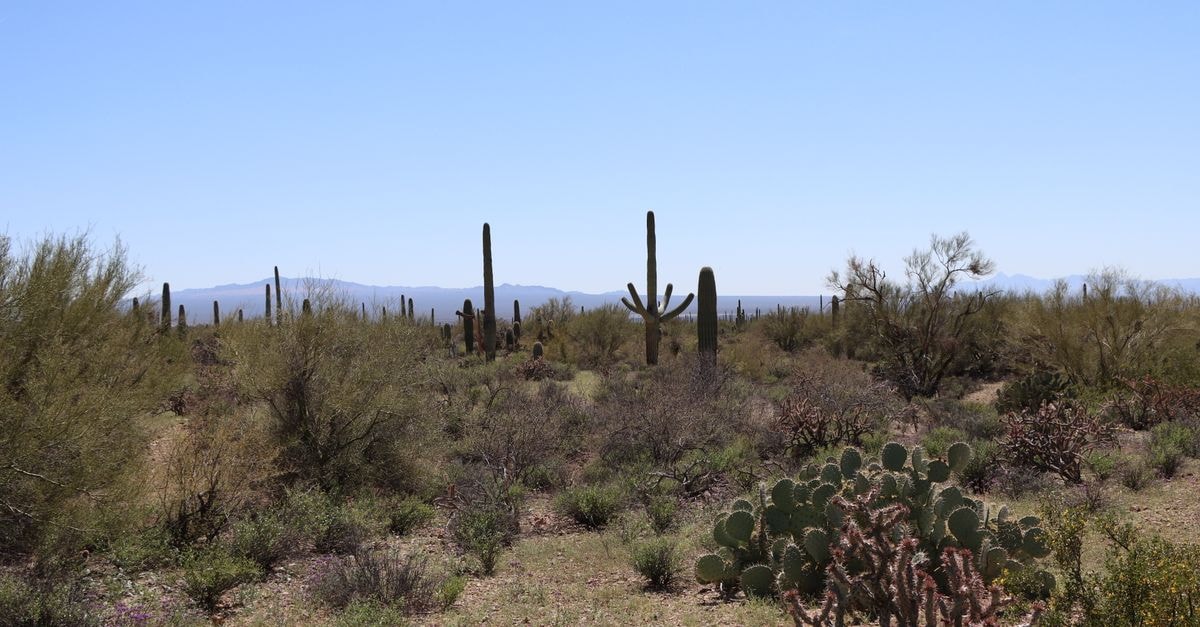
A first look at the Valley of the Sun

Phoenix sits in a wide desert valley framed by mountains, and the first thing most visitors notice is the scale of the light. The city spreads low across the basin, and the surrounding peaks catch color differently through the day, giving even a simple walk a sense of changing backdrop. There is a calm, sun-washed quality to the place that feels distinct from the leafy cities of the coast, and once you settle into that rhythm, planning a stay becomes less about chasing sights and more about choosing how to spend long, golden hours.
This guide focuses on the practical anchors a first-time or returning traveler tends to ask about: how the weather shapes a typical day here, how to think about moving through the city, and how local food culture fits into a Phoenix trip. It is written as durable, evergreen advice rather than advice tied to one specific window of the calendar.
Weather and seasonal context
Phoenix's weather is one of the strongest influences on any visit, and the way the light behaves over the mountains is part of the city's identity. Travel imagery of the city often highlights two visual signatures: a stone archway framing a view of a mountainous landscape with a wooden structure in the distance, and a cityscape at sunset with mountains in the background. Those two motifs say a lot about what to expect on the ground, because the desert setting is rarely far from view, even when you are deep in the urban core.
Because the desert is the headline, it is worth thinking about pace. Days can feel bright and intense, especially in the middle stretch, so many visitors prefer to plan outdoor time around the bookends of the day and save indoor or shaded stops for the hottest hours. Desert light also means that familiar activities take on a slightly different character: a morning walk can feel crisp and clear, while an evening stroll often arrives with that warm, low-angle glow that the city is known for.
Two activities are repeatedly associated with Phoenix in travel guidance, and they capture the outdoor range well. Hiking the iconic trails of Camelback Mountain is a common goal for visitors who want to experience the surrounding terrain up close, while wandering among the vibrant flora of the Desert Botanical Garden offers a slower, more contemplative way to engage with the Sonoran landscape. Both reward an early start, comfortable footwear, and water, because the same sun that makes the views so vivid also asks for a little respect.
Getting around
Phoenix is a spread-out city, and that shape influences how you move through it. A general Phoenix travel guide, such as the Phoenix (United States) Travel Guide from Danana GO!, is one starting point for getting a sense of the city's layout, neighborhood clusters, and the kinds of trips visitors typically plan. It is the kind of broad overview that helps with first impressions before you commit to specific routes or neighborhoods.
Because Phoenix is car-shaped in many ways, allowing time for getting from one area to the next is part of the rhythm. Distances that look short on a map can take longer than expected, especially during commuter hours, so building a little buffer into your day tends to make the trip feel more relaxed than rushed.
Food and local context
Phoenix's food culture sits inside a wider United States story about eating locally, and that framing can help visitors think about what they are tasting. The City of Phoenix's own "Phoenix: Let's Eat Local!" initiative is hosted under the city's Office of Environmental Programs, alongside related work on local food systems, sustainable purchasing, climate action, and community programs. Seeing food framed this way is a useful reminder that local ingredients, regional producers, and seasonal menus are part of how the city talks about itself.
For a visitor, this translates into a few easy habits. Markets, neighborhood restaurants, and menus that highlight Arizona growers or Sonoran ingredients tend to be a natural fit for the kind of food culture the city promotes. It also means that asking where a restaurant sources from, or which ingredients are in season, often leads to a richer answer than a generic recommendation list.
Within the broader United States, the move toward eating local has reshaped how travelers think about a destination. Visitors passing through Phoenix may notice that mindset at farmers' style markets, in casual restaurants that print their suppliers on the menu, and in seasonal specials that change as the desert does. Treating food as part of the local story, rather than as a separate checklist, tends to make meals feel more connected to the rest of the trip.
Planning a comfortable day
A few simple habits tend to make a Phoenix visit feel easy. Start early if you are heading to the trails or to open-air gardens, then ease into the middle of the day with a shaded lunch, a slow museum stop, or a quiet neighborhood walk. Save the golden-hour viewpoints, rooftop dinners, or sunset drives for the end of the day, when the light does most of the work for you.
It is also worth keeping the city's spread in mind. Group nearby stops together so you are not zigzagging across the valley, and treat any experience that requires a reservation as a fixed anchor in your day. That leaves room for the unplanned discoveries that often become the most memorable part of a Phoenix trip, from a small restaurant you stumble into to a viewpoint you had not read about before.
Practical notes before you go
A few evergreen checks are worth doing before you travel. Confirm the opening arrangements and reservation needs for any specific venue you plan to visit, especially for structured desert outings. Review the basics of staying comfortable in desert heat, including hydration, sun protection, and pacing outdoor time. And remember that local food offerings can shift with the seasons, so a quick check on what is currently being highlighted can help you plan meals that match the moment.
Factual travel conditions can change over time, and details such as prices, schedules, and reservation requirements should be confirmed through official channels before departure.
Share this article
TOOLS FOR THIS PLAN
Make the Phoenix plan measurable
Choose a tool only when it answers the next question in your trip. Your values stay in the browser, and each tool offers a route back to this planning context.