Tucson at a glance

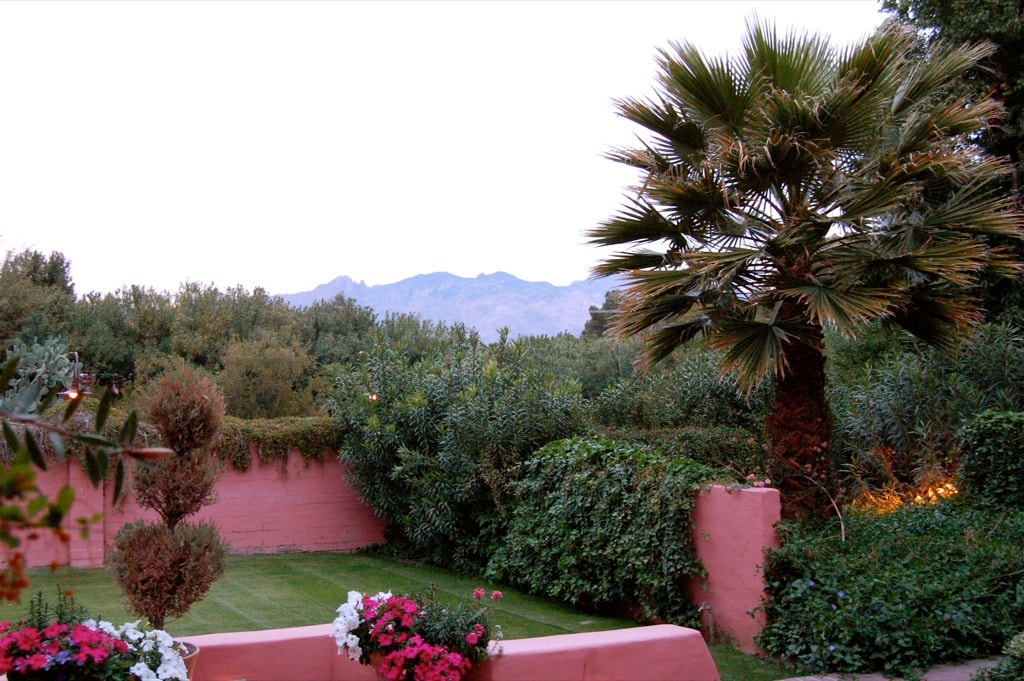
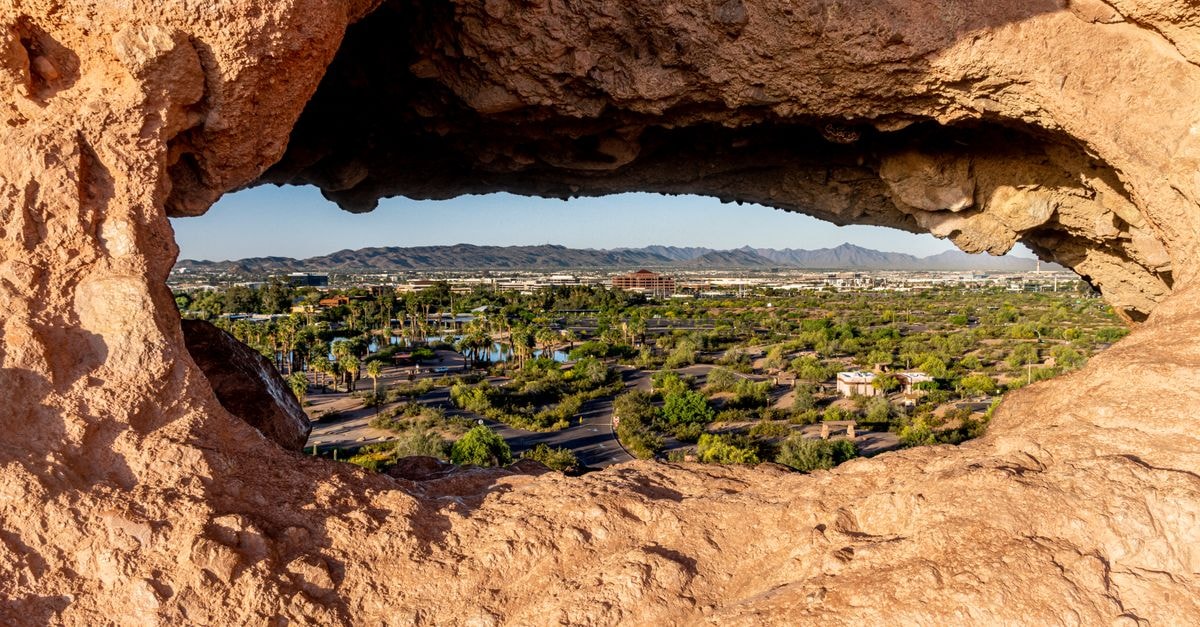
Tucson sits in the Sonoran Desert of southern Arizona, and that landscape quietly shapes everything about a visit. Light here is the kind that photographers chase: long, golden, and unhurried, falling across saguaro-studded horizons and red-rock ridges. The pace of the city tends to match the light, with mornings spent outdoors and afternoons pulling visitors into shaded patios, museums, and adobe-walled kitchens. Beyond the postcard imagery, Tucson is a working desert city with a layered identity: a place where aviation, astronomy, agriculture, and borderland cultures overlap.
What makes a Tucson trip feel different from other southwestern stops is the sense of place built on continuity. The surrounding valleys have supported farming for millennia, and that deep food heritage still shows up on menus today. Add a walkable downtown, a compact international airport, and a straightforward bus network, and you have a destination that rewards slow travelers who like to read a city as they move through it.
Weather and seasonal context
Tucson's climate is one of the most distinctive in the United States, and understanding it changes how a trip feels. The most striking local weather fact is historical: this region recorded its first winter on record, since 1894, without a freezing low temperature at the official location. That detail hints at how mild winters can be here, and why snowbirds have long understood Tucson as a warm-weather refuge.
Precipitation is modest and episodic. Rainfall at the official Tucson location, measured at Tucson International Airport, is recorded in a form that the local forecast office publishes in monthly and seasonal reviews. For travelers, that translates into two practical habits: assume mostly dry days, and treat any rain that arrives as a brief, dramatic event rather than a washout. Storm cells in this part of Arizona can be intense but short, and they often clear into some of the crispest air of the day.
For official, certified climate data, the local forecast office directs visitors to the National Centers for Environmental Information. Treat local summaries as a starting point and rely on that national archive for any long-term averages or records you may need.
Getting around
Tucson's airport, Tucson International, sits south of the city center. One of the easiest ways to connect between the airport and town is by public bus, and bus transfers to and from Tucson Airport are a recognized option for arriving visitors.
If you choose the bus, a single route covers a long, useful corridor. Route 11, known as Alvernon Way, runs north from the airport. It travels along Palo Verde Road and Alvernon Way through mid-town, ending near the Tucson Jewish Community Center at the intersection of Dodge Boulevard and River Road. That single line gives you a north–south spine that reaches residential and mid-town districts without a car.
For catching the bus itself, the stop for the airport is in front of the main terminal, which simplifies arrival logistics for anyone arriving without a rental car. Travelers planning to explore beyond the airport corridor may still want a rideshare or rental for the more spread-out desert attractions, but the bus network is a practical, budget-friendly anchor for downtown and mid-town stays.
Attractions and planning
Tucson is consistently framed as a land of adventures, with attractions that range from wild desert landscapes to cultural institutions and food halls. The city rewards travelers who come with a list of two or three priorities rather than an attempt to see everything in a single day.
When you plan, think in layers. One layer is the natural setting: drives and short walks that put you inside saguaro forest, sky-island foothills, or the dry riverbeds that cut through the city. Another layer is the built environment: historic adobe neighborhoods, downtown murals, and university-linked museums. A third layer is the culinary scene, which deserves its own half-day at minimum.
Because the city spreads along a long valley, cluster your plans geographically. A morning in one district, a slow lunch nearby, and an afternoon visit before dinner tends to feel more rewarding than crisscrossing the valley repeatedly. Desert heat and light are real variables here, so building in a midday pause, whether at a shaded café or an air-conditioned museum, makes the rest of the day more enjoyable.
Food and local context
Tucson's food identity is unusually grounded. Walking out of the airport, the air often carries the smell of mesquite smoke and roasted chiles before you have even reached baggage claim, a sensory preview of the city's culinary character.
The deeper story is historical. Tucson is recognized as the first city in the United States to be designated a UNESCO City of Gastronomy, and the recognition was not built on upscale restaurants. It reflects roughly 4,000 years of continuous farming in the Santa Cruz Valley, which produced flavor profiles and ingredient traditions that are difficult to find elsewhere.
For visitors, that heritage translates into menus that lean on regional chiles, heritage grains, beans, and mesquite-fired cooking. Dishes are often simple in form but layered in flavor, and the line between a casual lunch counter and a destination restaurant is pleasantly blurred. Plan at least one meal that is deliberately unhurried, ideally on a patio where the desert light softens in the evening.
Across the wider United States, travelers may also encounter the more general customs that shape southwestern dining: meals built around salsas, beans, rice, tortillas, and roasted meats, often served family-style. Treat those as broader context you might notice anywhere in the region rather than a Tucson-specific expectation.
A few practical notes
Tucson is a comfortable city to visit without a car if you stay near downtown or along the Alvernon corridor, and the airport-to-city bus makes arrival straightforward. If you plan to venture into the desert parks and mountain ranges, consider a rental for at least part of your stay, since those landscapes are the soul of the region and worth a slower look. Pack for sun and dryness even in cooler months, and plan your outdoor time for morning or late afternoon when the light is best and the temperature is most forgiving.
Verification note
Travel conditions, transit routes, and local offerings can change. For certified weather and climate figures, consult the National Centers for Environmental Information. For current transit information, check directly with the Tucson airport authority and local bus service before you travel.
Prices, opening hours, schedules, reservation rules, and local conditions can change; verify them through official channels before departure.
Share this article
TOOLS FOR THIS PLAN
Make the Tucson plan measurable
Choose a tool only when it answers the next question in your trip. Your values stay in the browser, and each tool offers a route back to this planning context.