A slow-travel introduction to Pinar del Río

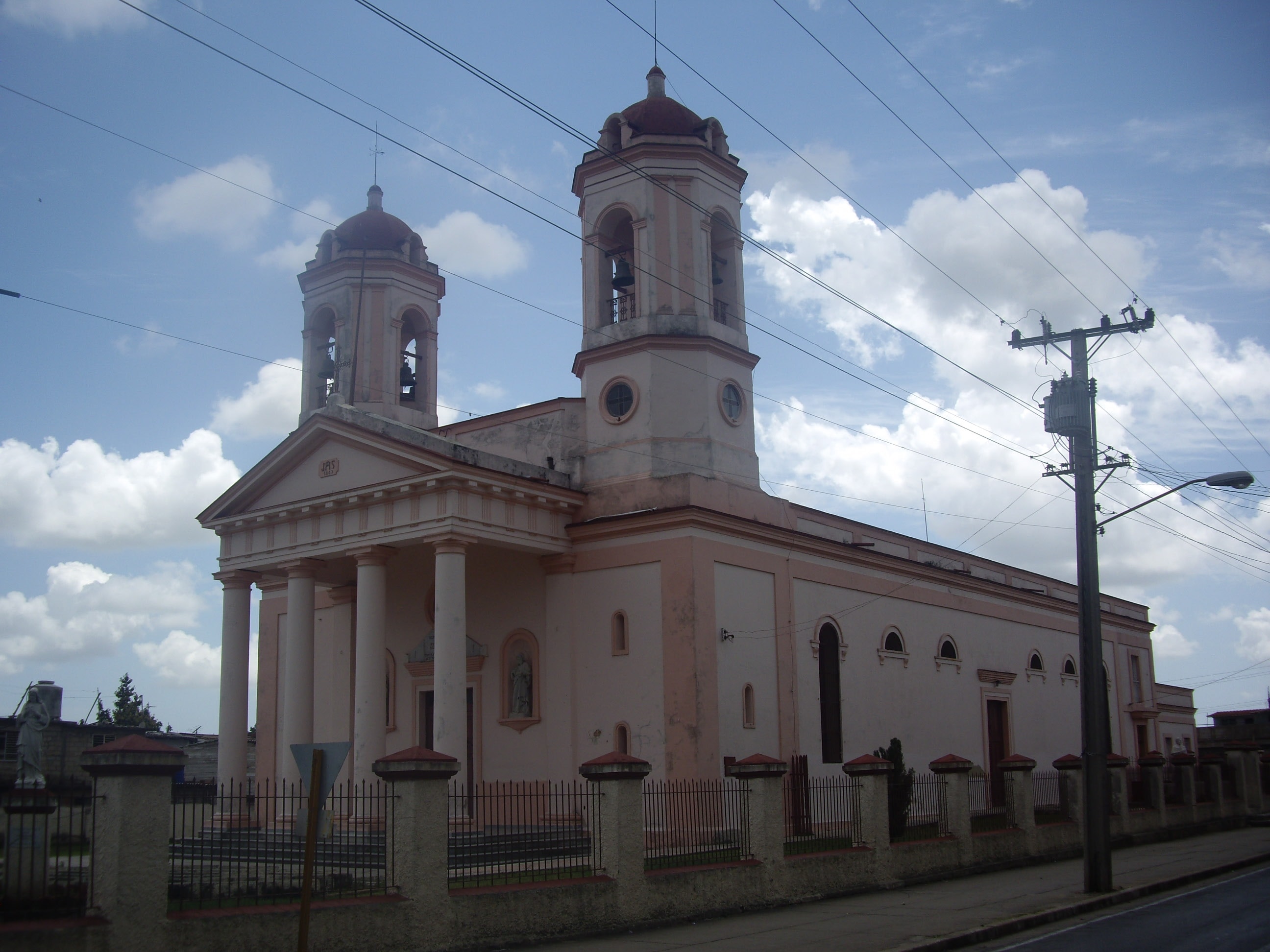
Tucked into the western edge of Cuba, Pinar del Río is the kind of city that rewards a quieter rhythm. Its name is closely tied to the surrounding tobacco country, and the city itself works well as a calm base for travelers who have already done the high-energy rounds in Havana. If you are the sort of visitor who likes to linger in a plaza with a coffee, listen to a street musician for a few bars, then head out to a green landscape in the afternoon, Pinar del Río fits the mood.
Because the city sits relatively close to Havana, it is often approached as a pause in a longer western Cuba loop, or as a stop before heading deeper into the province. The streets feel lived-in rather than curated, and the surrounding countryside has a softer, lusher feel than the capital. A useful way to think about Pinar del Río is as a small city paired with a wide rural setting, where the day can move easily between urban wandering and open landscapes.
This guide keeps the focus on what the available facts actually support: how to arrive by bus, the kind of natural landmark the region is known for, and the wider Cuban food context that visitors tend to encounter while they are here. Everything below is written for travelers who want durable, evergreen guidance rather than a month-by-month checklist.
Getting to and around the city
Two practical points are worth keeping in mind. First, the twice-daily Havana–Viñales service is your easiest reference frame for planning an arrival time, and it sets a natural early-morning or early-afternoon window for settling in. Second, the same line that brings you in also continues toward Viñales, which means onward connections are reasonably possible from the same terminal without having to double back through Havana. If you are sketching a wider western Cuba plan, this single bus corridor is the thread that ties the route together.
The valley and the wider landscape
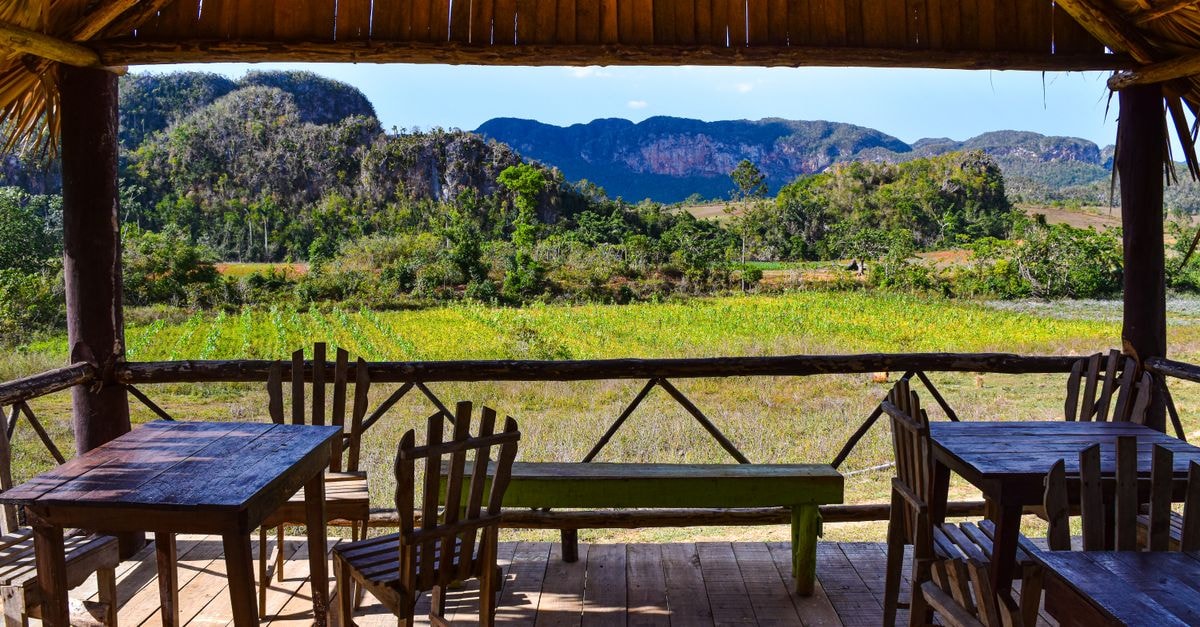
The single most famous natural draw associated with Pinar del Río is the Viñales Valley, which sits in the province and is widely recognized as a UNESCO World Heritage Site. The valley is described in travel sources as one of Cuba's most iconic natural landscapes, and that is the framing most first-time visitors arrive with. For Pinar del Río as a city, the practical meaning is simple: many travelers base themselves here specifically to spend a day or more out in that landscape, then return to the slower pace of the town in the evening.
Food context: what you may encounter on the table
Because the available evidence is country-level rather than city-specific, it is best to read this section as wider Cuban food culture that visitors are likely to encounter while they are in Pinar del Río, rather than as a list of specific city restaurants. The country's culinary story is layered, and a few of those layers tend to show up on tables across the western region.
A few practical notes for independent travelers
- Plan the valley as a full-day experience. The Viñales Valley is the headline natural draw of the region, and the city works best as a calm base before and after that day. - Read food in cultural layers. Cassava bread, seafood paellas, and tropical fruits like mamey are part of wider Cuban food culture, and recognizing them on a menu adds depth to even a simple meal. - Keep the pace slow. The city rewards lingering and short local conversations more than it rewards a packed schedule.
A short verification note for travelers: transport timetables, local services, and on-the-ground conditions in Cuba can change with little notice, and the available evidence does not give a live status for any of them. Treat schedules and arrangements as a starting point, confirm closer to your travel date through official or locally trusted channels, and build a little flexibility into your plan so that small changes do not become big problems.
Prices, opening hours, schedules, reservation rules, and local conditions can change; verify them through official channels before departure.
Share this article
TOOLS FOR THIS PLAN
Make the Pinar del Río plan measurable
Choose a tool only when it answers the next question in your trip. Your values stay in the browser, and each tool offers a route back to this planning context.