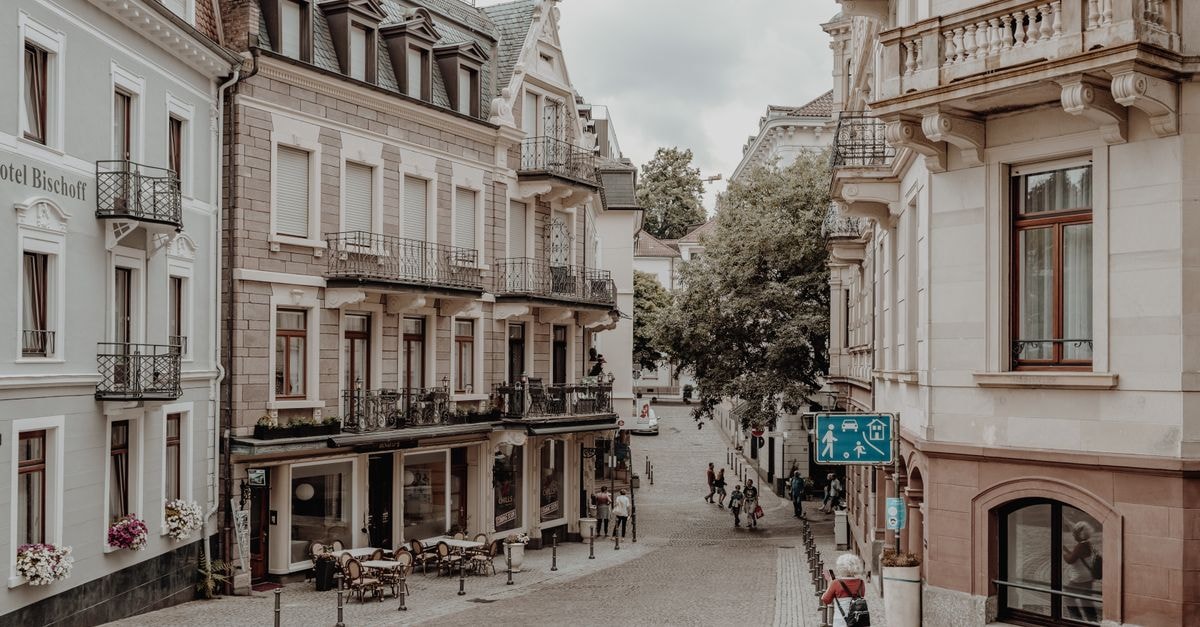
A first look at Potsdam

There is something quietly cinematic about arriving in Potsdam. Even a short stroll from the central districts into the older quarters feels like walking into a long, considered painting, where every sightline seems to land on another elegant building, another leafy avenue, or a sudden flash of water. The city carries the mood of a place that was once intended to impress, and that intention still shapes how it feels today.
What makes Potsdam special for travellers is not one monument but the way the city and its surroundings were designed as a single cultural landscape. Palaces, gardens, avenues and stretches of river all belong to one carefully planned idea of beauty, and the modern city has grown up around that idea without overwhelming it. That is also why the palaces and gardens of Potsdam have held UNESCO World Heritage status since 1990: they are recognised not just as individual buildings but as an ensemble.
This guide is written for the traveller who would rather understand a place than tick boxes. The goal is to help you arrive with a sense of what Potsdam is really about, how its sights connect, and how to move between them with a little grace.
Weather and seasonal context
Potsdam sits in a part of Germany where the year has a gentle rhythm rather than a sharp one. Spring arrives softly, with the first warming sun coaxing the parks and gardens back into colour, and the city has long been associated with the pleasure of being outside in its landscape. Summer days can stretch long, and the parks and watersides become the natural stage for a slower kind of sightseeing.
Later in the year, the mood shifts rather than disappears. Autumn turns the avenues and palace grounds into a quieter, more reflective backdrop, while winter brings its own rituals: the smell of cinnamon and mulled wine drifting across the Christmas markets, lights reflected in the Havel, and the kind of cold that makes a warm café feel like a small reward. Between these bookends, the climate tends to reward layered clothing and flexible plans more than any single outfit choice. If you are travelling outside the peak months, a light rain jacket and comfortable shoes will take you further than any rigid packing list.
Because weather can change quickly and conditions vary year to year, treat any climate impression as a starting point rather than a forecast. Checking the local forecast closer to your trip is always wise.
Getting around
Potsdam rewards travellers who move at a human pace. Many of the most rewarding experiences lie along well-marked walking routes that connect the palaces, gardens and the historic centre. Thoughtfully planned sightlines guide the eye from one architectural highlight to the next, which means that even a simple walk between two points can feel like part of the sightseeing rather than the time spent getting to it.
Because the city is also part of a wider network linked to Berlin, getting in and out is relatively straightforward. The cultural landscape of palaces and gardens stretches across the city and into its surroundings, so thinking in terms of a few connected clusters, rather than a list of isolated stops, usually makes for a more satisfying day. Buses and local trams connect the main neighbourhoods, and the central station makes arrival by rail easy if you are coming from Berlin or elsewhere in Germany.
Walking is still the most rewarding way to experience the details that make Potsdam what it is: the way a garden opens onto a lake, the way a street curves towards a palace dome, the way a view is framed by trees that were planted centuries ago.
Attractions and planning
Potsdam offers breathtaking dimensions of culture and history. It is a place of Prussian pomp and splendour, a heritage shaped by great architects and scholars, and a focal point during the Cold War, with stories that reach well beyond the country’s borders. Three hundred years ago, the city was transformed into one of Europe’s most splendid royal cities, and that ambition still echoes in what you see today.
The palaces and gardens, which enjoy UNESCO World Heritage status, sit at the heart of any visit. They are not a single attraction but a connected set of experiences spread across the city and its landscape. Treat them as a theme rather than a checklist: pick a cluster for a morning or an afternoon, allow time to slow down between buildings, and let the gardens themselves be part of the visit rather than a passage between monuments.
Because the cultural landscape has been shaped over centuries, the city rewards a little patience. Read a sign slowly, sit on a bench for a few minutes, watch how a particular avenue was designed to draw your eye, and the place begins to reveal layers. That is the real pleasure of visiting Potsdam: not racing through a list, but noticing how a city built around an idea of beauty still invites you to look, and to look again.
A slow traveller's rhythm
Potsdam is the kind of city that improves when you resist the urge to do too much. A morning in one palace and its gardens, a slow lunch, an afternoon walk that takes you through a different part of the cultural landscape, and an evening spent near the water or in a quiet neighbourhood square, is often a better day than a packed schedule.
If you have extra time, give yourself the luxury of returning to a place you liked in the morning and seeing it in a different light. The palaces, gardens and avenues of Potsdam are not the kind of attractions that exhaust their charm on a single visit; they tend to deepen the longer you stay. Evenings, in particular, are a good time to walk the central streets and notice how the city’s quieter corners reveal themselves once the day-trippers have moved on.
Before you go
Potsdam is an easy companion city to Berlin and an even easier city to enjoy on its own. A relaxed stay here tends to leave visitors with the sense that they have discovered something considered and a little understated, rather than something loud and obvious. That is part of its charm.
Practical travel conditions, including transport timetables, opening hours and ticket details for individual palaces and gardens, can change. Treat any general impression as a starting point, and check official channels closer to your trip for the most current information before you set off. Doing so will help your visit feel as calm and well-paced as the city itself.
Claims log
claims emitted in JSON only
Share this article
TOOLS FOR THIS PLAN
Make the Potsdam plan measurable
Choose a tool only when it answers the next question in your trip. Your values stay in the browser, and each tool offers a route back to this planning context.