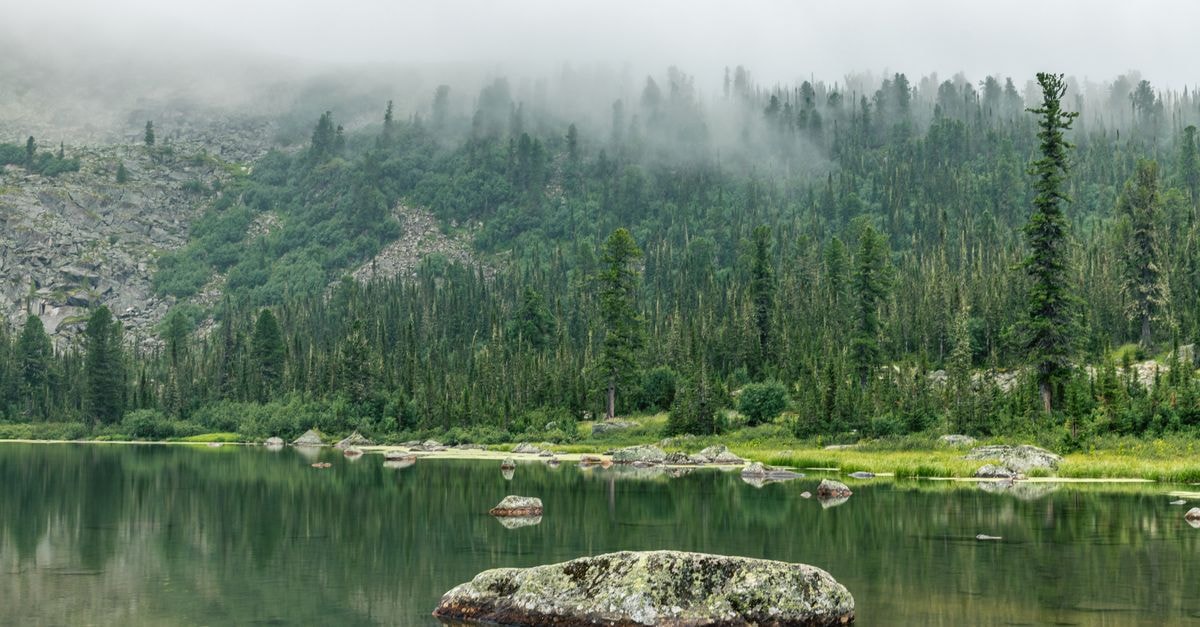
A First Look at Abakan

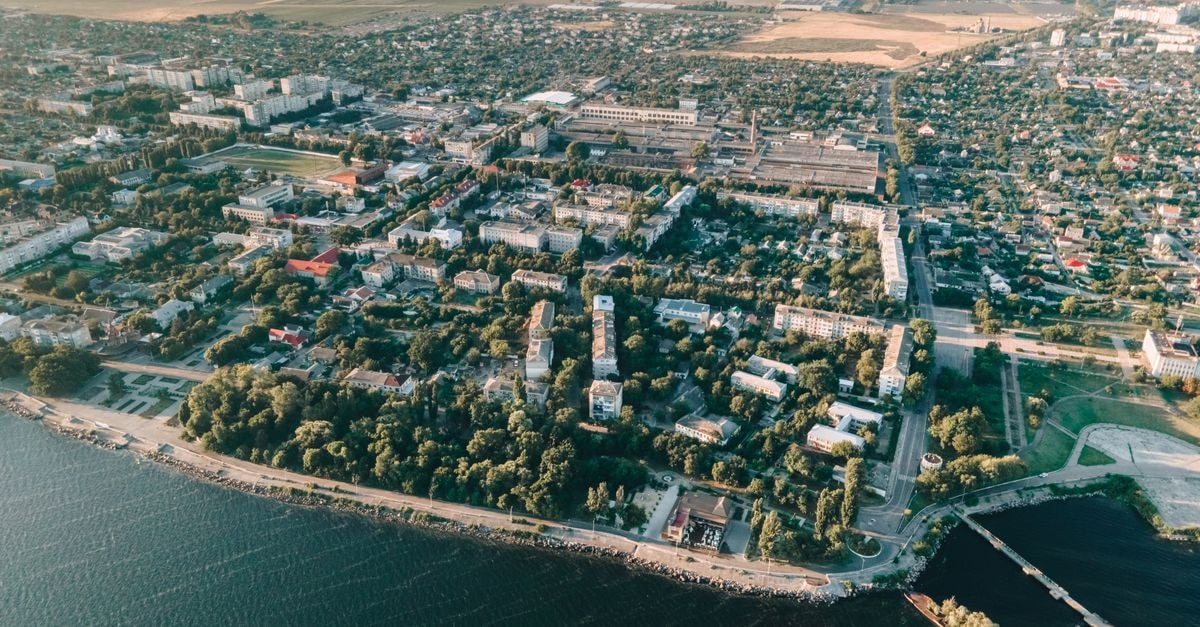
Abakan sits in the heart of Siberia as the capital of the Republic of Khakassia, and it wears that role lightly. Travelers stepping off a regional train or out of the airport tend to notice the same thing first: a calm, practical rhythm. Soviet-era apartment blocks line the streets, but the newer public spaces and riverside promenades soften the edges, and the city has a quietly verdant feel that surprises visitors who arrived expecting only the steel-grey Siberia of stereotype.
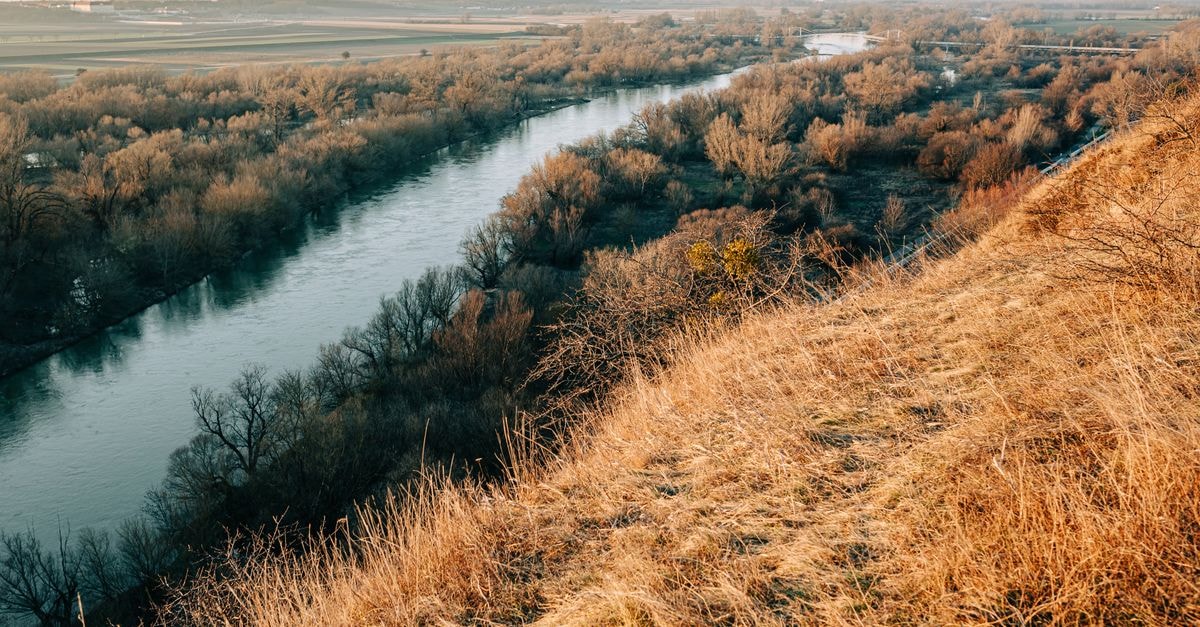
It functions as the cultural and administrative center of Khakassia, which means it is the place to orient yourself before exploring the wider republic. Think of it less as a blockbuster destination and more as a steady, friendly base — a place where the pace invites you to linger on a bench, watch the Abakan River drift by, and let the city settle into your understanding of Russia.
Weather and Seasonal Context
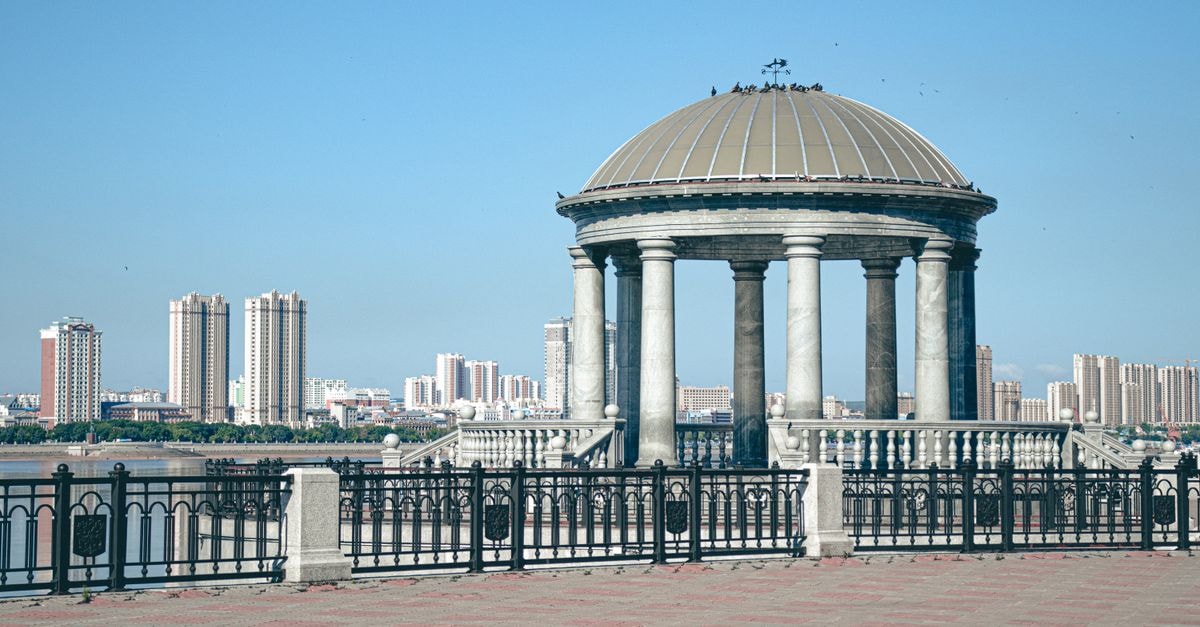
Abakan does not arrive with a tidy tourism brochure attached. Its climate sits firmly inside continental Siberia, with winters that bite hard and summers that can feel genuinely warm once the sun is high. That long seasonal swing is part of why the city reads the way it does: residents design their public life around the weather, and the riverside promenades that visitors love were clearly built with the warmer months in mind.
For travelers, this shape of the year matters more than any single forecast. Days here can stretch out with extended daylight when the season turns generous, and the same streets that feel breezy and pleasant one afternoon can turn sharp and grey the next. The practical move is to plan in layers, build slack into your day, and treat the city's outdoor spaces as something to enjoy when conditions cooperate rather than as guaranteed programming. In a place with this kind of seasonal range, pacing yourself around the weather rather than against it tends to be the most rewarding approach.
There is also an emotional weather worth noting: a sense of green calm that comes from the combination of trees, water, and wide sky. Whatever the thermometer reads, Abakan has the kind of atmosphere that asks you to slow your tempo and notice what is actually in front of you.
Food and Local Context
Abakan sits inside a much wider Russian food culture, and visitors who arrive curious will find plenty to dig into. The country's cuisine is far more textured than its old stereotypes suggest. The real Russia starts with the crackle of pork fat rendering in a cast-iron skillet and ends with the sharp tang of fermented rye bread that lingers on your tongue like a memory — that contrast between rich, savory comfort and sharp, fermented tang is the thread running through a lot of what you will encounter on menus across the country.
For something more specific, pelmeni — small Siberian meat dumplings — function as a kind of national shorthand for comfort food. They appear in canteens, family kitchens, and restaurants across Russia, and they have particular resonance in Siberia, which makes them a natural thing to try in Abakan. Order them boiled or pan-fried after they have been cooked, often served with a dollop of sour cream, a splash of vinegar, or simply a dusting of black pepper. They are warming, filling, and a quick way to understand why this dish has stayed on tables for generations.
At the opposite end of the spectrum, Russian black caviar sits as one of the country's most storied luxury ingredients, with a long and complicated history attached to it. You will not necessarily find it on every menu, but it is part of the wider Russian gastronomic story, and encountering it — even just on a menu — gives a fuller picture of how varied and sometimes extravagant the country's food culture can be.
A few practical notes for eating your way through Abakan:
- Approach meals as a way to read the wider Russian table. Dishes that feel unfamiliar are often the ones that teach you the most. - Look for pelmeni early in your stay. They are inexpensive, filling, and a reliable benchmark for the rest of the meals you will eat. - Take fermented rye bread seriously. Even a slice alongside a simple lunch tells you something about the flavor vocabulary of the country. - If caviar appears on a menu, treat it as a cultural encounter as much as a culinary one — a way to engage with a long Russian story.
Why Slowing Down Works Here
The best way to experience Abakan is to accept its rhythm rather than fight it. This is not a city that rewards a packed itinerary or a checklist of photo stops. It rewards people who let a riverside walk take longer than planned, who sit with a coffee while watching daily life pass, and who treat meals as a chance to learn something about the place they are in.
What lingers after a visit here is rarely a single landmark. It is the feel of the city: the soft green edges along the river, the unhurried pace of an evening stroll, and the sense that you have spent time in a real working capital rather than a polished showcase. That kind of impression is harder to manufacture and easier to come by in places like Abakan than in better-known Russian stops.
A Few Practical Reminders
- Layer your clothing. The continental climate can swing from warm afternoons to cool evenings quickly, even when the day started out mild. - Treat the riverside promenades as flexible plans. They are best enjoyed when the weather cooperates, and they are genuinely the heart of the city's outdoor life when it does. - Eat with curiosity rather than caution. The wider Russian table is broader than its reputation, and pelmeni are an easy, low-risk starting point. - Use Abakan as a base for orienting yourself in Khakassia before deciding how much time to spend in the republic beyond the capital.
A Final Note on Conditions
Travel conditions — from the daily weather to which kitchens are open and what is on a given menu — can shift without much warning. Treat the framing above as a starting point for understanding Abakan and the wider Russian table, and check official channels close to your departure for anything that could affect your plans on the ground.
Share this article
TOOLS FOR THIS PLAN
Make the Abakan plan measurable
Choose a tool only when it answers the next question in your trip. Your values stay in the browser, and each tool offers a route back to this planning context.