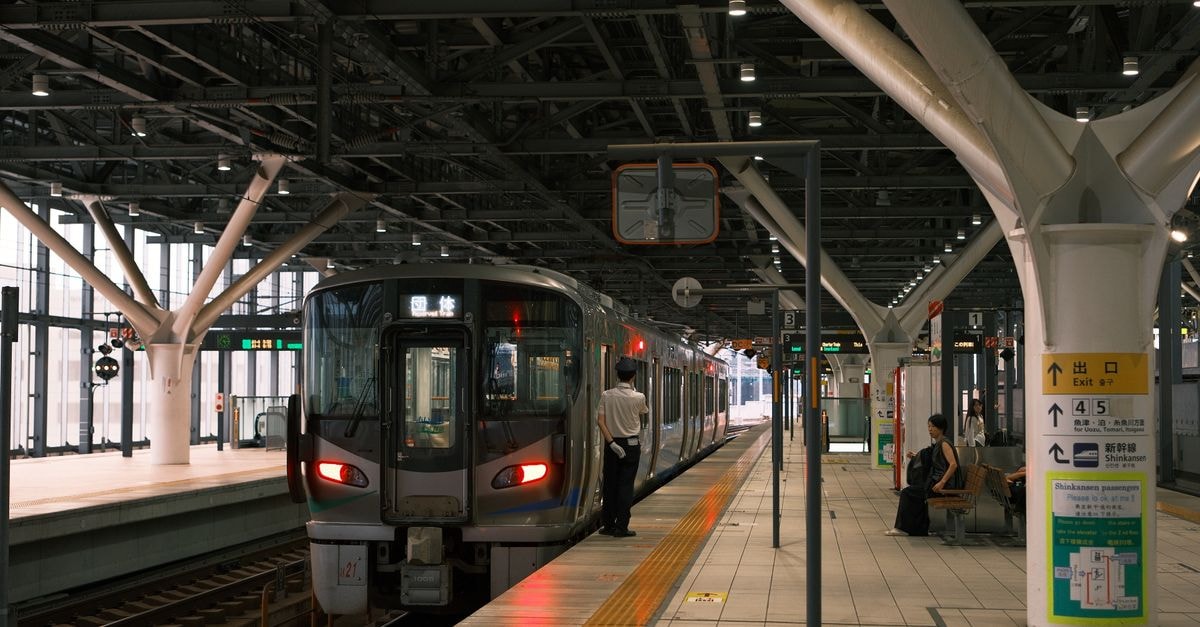
Arriving in Putian: A Quiet Fujian Coastal City

Putian sits on the central Fujian coastline and tends to land softly on first-time visitors. Rather than the dense skyline rush of larger Chinese cities, it offers a slower rhythm where temple eaves, neighborhood lanes and the sea breeze do much of the talking. Travelers who like layering a city stay with coastal scenery and a touch of pilgrimage heritage often find Putian a rewarding stop.
Because Putian is connected to China's high-speed rail network, it can be slotted into a longer Fujian itinerary or used as a focused city break on its own. The main arrival and movement hubs include Putian Railway Station, Putian Coach Station and major commercial areas like Wanda Plaza, which gives travelers a recognizable anchor for planning where to base themselves.
Weather and Seasonal Context
Putian's climate leans warm for much of the year, and the city is known for sticky, humid conditions during the high-summer months. Average temperatures sit around 28°C (83°F), with daytime highs that can climb to about 36°C (98°F) and overnight lows that rarely drop below 23°C (75°F). Humidity is part of daily life here, so lightweight breathable clothing, refillable water and a slower afternoon pace tend to serve visitors well.
Even outside of peak summer, Putian generally feels milder than inland Fujian thanks to its coastal position. Travelers who prefer gentler walking weather may want to time longer outdoor days toward the cooler windows of the year, and use warmer months for indoor stops, shaded parks and sea-view pauses rather than sustained sightseeing.
Getting Around
Putian's connection to China's high-speed train network makes arriving from elsewhere in Fujian or from farther afield straightforward and comfortable, which is a real plus for travelers building a regional route. Once in the city, the practical movement hubs are Putian Railway Station, Putian Coach Station and commercial centers like Wanda Plaza, so most daily plans can be organized around these reference points.
For short hops within Putian, the typical Chinese city toolkit applies: taxis and ride-hailing for convenience, plus buses and walking for shorter distances between neighborhoods. Because this guide sticks to durable, source-backed facts, it is worth confirming current local options and any new transit lines directly with your hotel or the station before relying on a specific route.
Attractions and Planning
Putian's attractions lean into three threads that travelers tend to enjoy together: parks and sea air, religious and pilgrimage heritage, and themed leisure spots that are popular with families and weekend crowds.
One of the city's well-known green spaces is Guqiao Park, which is generally considered most pleasant during the spring and autumn seasons. That doesn't mean it is off-limits at other times, but it is a useful hint that hot, humid stretches can make a leafy park feel more strenuous than expected, so a short shaded visit early or late in the day may suit better than a long midday walk.
A simple way to think about planning is to balance outdoor sightseeing with built attractions: a morning park or coastal walk, a midday indoor or themed stop, and an evening focused on food and neighborhood wandering. Travelers with more time can also use Putian as a base to explore broader Fujian at a relaxed pace, taking advantage of the train links rather than rushing between cities.
Food and Local Context
Putian has its own recognized cuisine, part of the wider tapestry of Chinese regional cooking. Within China, Putian cuisine is treated as a distinct style, which means mealtimes here can feel like a small culinary education rather than just refueling between sights.
Putian cooking is often associated with the sea, given the city's coastline, and with careful, clear-flavored preparations that favor fresh ingredients. Seafood in many forms tends to feature heavily, alongside noodles, dumplings and soups that reflect Fujian's broader food culture. Diners who treat eating here as part of the sightseeing rather than a side note usually get more out of the visit.
Within China more widely, regional dining tends to be social and unhurried, with shared dishes placed in the center of the table and tea flowing throughout the meal. Travelers who lean into that rhythm, ordering a few plates to share and asking locally for recommendations, often find the experience more rewarding than sticking rigidly to familiar dishes.
For practical planning, it is worth building time around meals rather than squeezing them between activities, since relaxed dining is part of Putian's everyday pace. If you have a dish you are curious about, asking your hotel or a local host for the best nearby place to try it usually leads to a more authentic experience than relying on generic recommendations.
A Final Note Before You Go
Putian rewards travelers who treat it as a place to settle into rather than sprint through. With high-speed rail connections, recognizable hubs around the railway station, coach station and Wanda Plaza, and a mix of parks, coastal scenery and Mazu heritage sites, it is easy to put together a balanced visit without overcomplicating the plan. Warm, humid weather is part of the experience for much of the year, so a flexible, shade-friendly rhythm helps.
Because travel conditions, opening arrangements and transport options can change, treat this guide as a starting framework and confirm specific details through your hotel, the railway station or official local channels before you set out. With that small bit of pre-trip checking, Putian tends to unfold into the kind of slow, flavorful Fujian coastal break that lingers pleasantly after you return home.
Prices, opening hours, schedules, reservation rules, and local conditions can change; verify them through official channels before departure.
Share this article
TOOLS FOR THIS PLAN
Make the Putian plan measurable
Choose a tool only when it answers the next question in your trip. Your values stay in the browser, and each tool offers a route back to this planning context.