A first impression of Kawasaki

Most travelers race straight past Kawasaki on the JR lines that link Tokyo with Yokohama, and that is part of what makes it appealing. Kawasaki sits between two of Japan's most photographed cities, but it carries a calmer, more lived-in feeling. It is the kind of place where temple smoke drifts over a main street, where small neighborhood izakayas stay open late, and where you can find breathing room without feeling far from anywhere. For visitors who have already done the headline Tokyo sights or who want a softer entry to the Kanagawa side of the bay, Kawasaki offers an honest alternative to the bigger itineraries.
What Kawasaki lacks in scale it makes up for in texture. The city has long been a working hub on the Keihin industrial corridor, and that industrial past still gives parts of it a slightly rougher, more authentic edge than the polished neighborhoods of central Tokyo. That character shows up in the food, in the people, and in the way daily life moves at the pace of commuters rather than tour groups. If you are the kind of traveler who enjoys walking through a place as it actually is, Kawasaki rewards that approach.
Weather and seasonal context
Kawasaki's climate shapes how the city feels across the year. Like much of the Kanto region, the city tends to experience warm, humid summers and mild, drier winters, with a wetter stretch in the warmer months. Travelers planning a trip can expect the kind of urban heat that rewards early-morning sightseeing, afternoon breaks in cafes or museums, and slow evening strolls when the sidewalks finally cool.
Rainfall is part of life in Kawasaki and in the wider Tokyo-Kanagawa corridor, so a compact umbrella tends to be a more useful packing item than a heavy coat for much of the year. Sunshine hours shift with the seasons as well, which matters if you are hoping to photograph temple grounds or riverside paths in clean light. Rather than chasing a single perfect window, it helps to plan for the climate you are most comfortable in and to leave room in your day for indoor stops on the hottest or wettest stretches. Museums and temple halls become especially valuable as climate shelters, and the city's transport network makes it easy to move between them without spending long periods outside.
Getting around
Kawasaki is well connected to the wider region by rail, and that is the simplest way to frame getting around. Several train lines run through the city, linking Kawasaki to Tokyo, Yokohama, and the broader Kanagawa area. For most visitors, the train is the default mode of transport, both for arriving and for moving between the city's main sights.
Within Kawasaki, the practical rhythm is to anchor yourself near one of the main stations and then make short trips out from there. Kawasaki Station and Musashi-Kosugi are useful reference points for getting your bearings, while smaller stations along the various lines serve the temple district and the museum area further out. Because the city is essentially strung along the rail corridor, walking between nearby stations is often realistic and gives you a better feel for the neighborhoods than staying on the train. If you are coming from central Tokyo or from Haneda or Narita airports, Kawasaki slots easily into a broader rail-based itinerary without needing a car.
For travelers who do want more independence, the same rail network plus local buses covers most of what visitors come for. Taxis are also available, and drivers are generally patient with non-Japanese speakers using a smartphone map to show their destination. The key is to think of Kawasaki as a rail city first, then layer walking on top.
Attractions and planning
Kawasaki is not pitched as a major tourist destination, and that is honest framing. What it does offer is a small, focused set of attractions that reward a slower visit rather than a rushed checklist. Two anchors tend to define most travelers' time in the city.
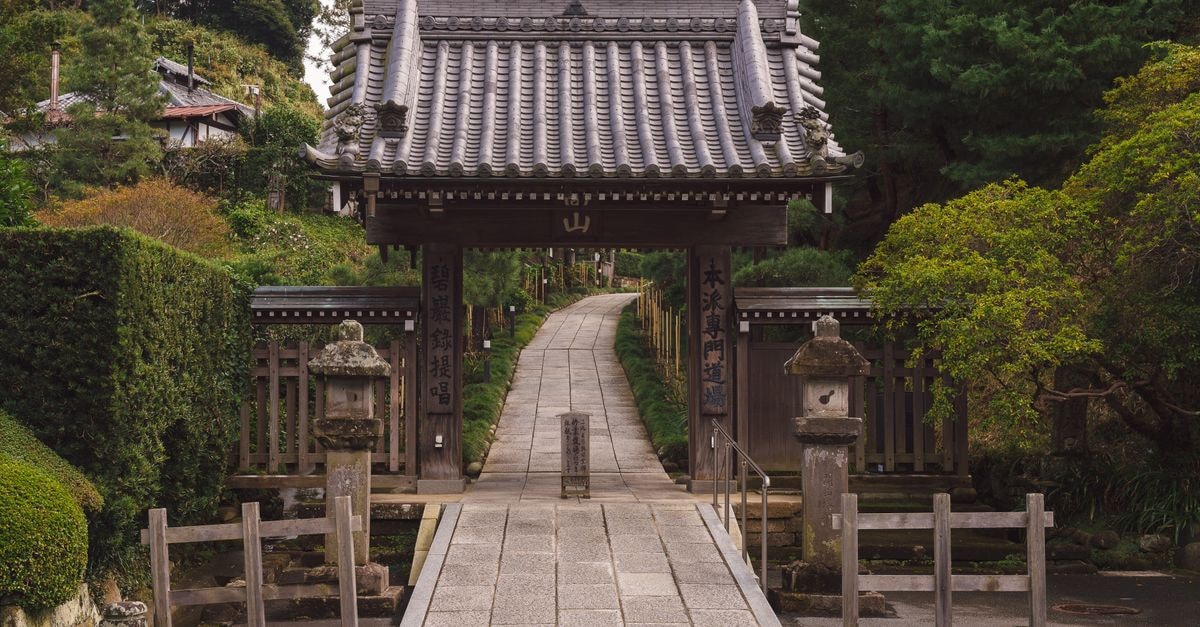
The first is the Kawasaki Daishi temple, formally known as Heiken-ji. It is one of Japan's most renowned temples and draws visitors from across the country, particularly around New Year. Outside of that peak, it functions as a working neighborhood temple with a long approach street, incense smoke, and a calm main hall. It is the kind of place that works just as well for a quiet walk as for a more deliberate visit, and it gives the city a clear spiritual center that is easy to plan around.
The second anchor is the cluster of museums on the city's edges. The Nihon Minkaen open-air museum preserves traditional Japanese houses and rural buildings in a park-like setting, which makes it especially appealing for travelers interested in older domestic architecture and everyday history. Not far away, the Fujiko F. museum is dedicated to the work of Fujiko F. Fujio, the manga artist best known for creating Doraemon, and appeals to anyone with even a passing interest in postwar Japanese pop culture. Together with the temple, these museums form a practical two-day shape for a visit: one day grounded in spiritual and architectural heritage, and one day moving through art and modern culture.
Because the attractions are spread out rather than concentrated in one district, the way to enjoy them is to resist the urge to compress everything. Pick a museum morning, give yourself a proper lunch break, and then either walk toward a station or save the temple for a cooler part of the day. Kawasaki rewards travelers who treat it as a small, deliberate stop rather than a transit blur between Tokyo and Yokohama.
How to use this guide
The most useful way to read Kawasaki is as a complement, not a replacement. If you are already spending several days in Tokyo or Yokohama, a day or two in Kawasaki adds variety without the friction of a long transfer. If you are using Kawasaki as a base, the same rail lines that bring you in also carry you out to either city in under an hour. Either way, the city works best when you let it set its own pace rather than trying to fit it into someone else's template.
A few small habits help. Carry a small umbrella, plan around the train network, and give yourself at least one slow meal in a local neighborhood. That combination is usually enough to turn a short Kawasaki stop into a memorable part of a longer Japan trip.
Practical details such as exact opening hours, ticket prices, and transport timetables can change, so check official channels for the temple, the museums, and the relevant railway operators before you travel. Weather conditions and crowd levels also shift through the year, and current information from those official sources will always be more reliable than any guide.
Share this article
TOOLS FOR THIS PLAN
Make the Kawasaki plan measurable
Choose a tool only when it answers the next question in your trip. Your values stay in the browser, and each tool offers a route back to this planning context.